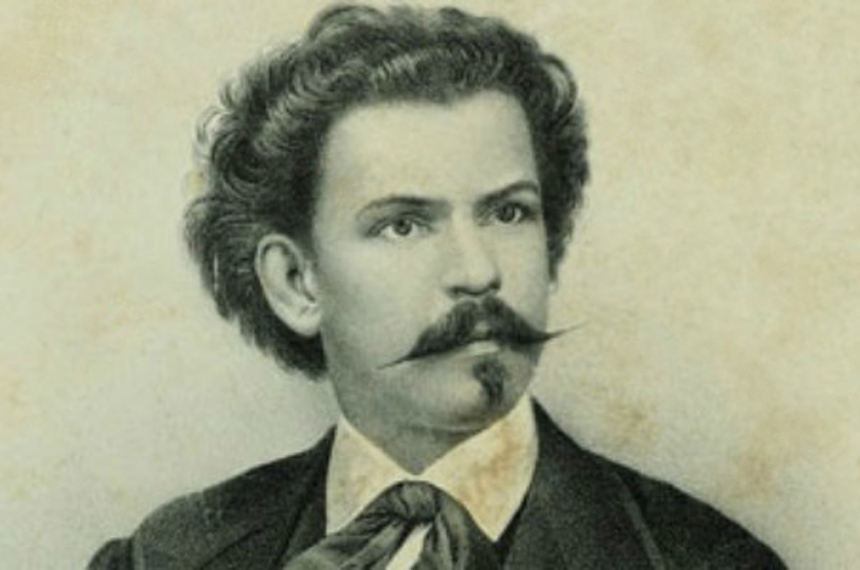
Antônio Carlos Gomes: Brazil’s Greatest Opera Composer
Antônio Carlos Gomes (1836–1896) is widely regarded as the greatest opera composer in Brazilian history and one of the few composers from the Americas to achieve international acclaim during the 19th century. Born in Campinas, Brazil, Gomes combined the traditions of Italian opera with themes inspired by Brazilian history and culture, creating works that resonated with audiences both in Europe and the Americas.
His career reached its peak in Italy, where his operas were performed in prestigious theaters and praised by critics and audiences alike. Among his many compositions, five stand out for their artistic excellence, historical significance, and lasting influence on the world of classical music.
1. O Guarani (1870)
The Opera That Made Carlos Gomes Internationally Famous
O Guarani is undoubtedly Antônio Carlos Gomes’ most celebrated work. Premiering in 1870 at the renowned Teatro alla Scala, the opera became an immediate success and established Gomes as a major figure in the European operatic scene.
The libretto is based on the novel O Guarani by José de Alencar. The story centers on Peri, an Indigenous Brazilian warrior, and his devotion to Cecília, the daughter of a Portuguese nobleman.
Why It Matters
- First Brazilian opera to gain widespread international recognition.
- Combines European Romantic opera with Brazilian themes.
- Features one of the most famous overtures in Brazilian classical music.
- Performed extensively throughout Europe and the Americas.
Today, O Guarani remains Carlos Gomes’ most frequently performed and recorded work.
2. Fosca (1873)
A More Mature and Sophisticated Masterpiece
Following the success of O Guarani, Gomes sought to expand his artistic vision and create a more complex dramatic work. The result was Fosca, which premiered in 1873.
Although its initial reception was mixed, modern musicologists often regard Fosca as one of Gomes’ finest achievements. The opera features a richer orchestral texture, greater dramatic depth, and more nuanced character development than his earlier works.
Key Features
- Dark and emotionally powerful storyline.
- Advanced orchestration and musical structure.
- Strong influence from Italian Romantic opera.
- Deep exploration of human emotions and psychological conflict.
Many scholars consider Fosca to be Carlos Gomes’ true artistic masterpiece.
3. Salvator Rosa (1874)
A Major Success on the Italian Stage
Premiering just one year after Fosca, Salvator Rosa became one of Gomes’ greatest popular successes. The opera is inspired by the life of Salvator Rosa, a celebrated 17th-century Italian artist known for his creativity and independent spirit.
The work combines adventure, romance, and patriotism, themes that were highly appealing to audiences of the time.
Why It Stands Out
- One of Gomes’ most commercially successful operas.
- Rich melodic writing and memorable themes.
- Effective balance between lyrical and dramatic moments.
- Widely praised by audiences across Europe.
The success of Salvator Rosa further strengthened Gomes’ reputation as a leading opera composer of his era.
4. Maria Tudor (1879)
Inspired by Victor Hugo’s Historical Drama
Based on the play by Victor Hugo, Maria Tudor is a dramatic opera filled with political intrigue, passion, betrayal, and tragedy.
The work demonstrates Gomes’ ability to adapt European historical subjects while maintaining his own distinctive musical voice. Its demanding vocal lines and dramatic intensity make it a challenging and rewarding piece for performers.
Highlights
- Powerful emotional and dramatic storytelling.
- Highly sophisticated vocal writing.
- Strong influence from Romantic theater traditions.
- Well-developed characters and dramatic structure.
Although less familiar to modern audiences than O Guarani, Maria Tudor remains an important work within Gomes’ mature period.
5. Lo Schiavo (1889)
A Powerful Opera About Freedom and Human Dignity
Lo Schiavo (The Slave) occupies a special place in Carlos Gomes’ legacy. The opera addresses slavery and the struggle for freedom, themes that held particular significance in Brazil during the late 19th century.
Premiering shortly after the abolition of slavery in Brazil, the work was viewed as a powerful artistic statement aligned with the humanitarian ideals of the period.
Notable Characteristics
- Addresses an important social and historical issue.
- Incorporates elements inspired by Brazilian culture.
- Features emotionally compelling music.
- Often regarded as Gomes’ most patriotic opera.
Many historians and music scholars view Lo Schiavo as the culmination of Gomes’ artistic journey, blending European operatic traditions with Brazilian identity.
The Enduring Legacy of Antônio Carlos Gomes
Antônio Carlos Gomes occupies a unique position in the history of classical music. At a time when composers from the Americas rarely achieved international recognition, he succeeded in earning the respect of Europe’s most prestigious musical institutions and audiences.
Through works such as O Guarani, Fosca, Salvator Rosa, Maria Tudor, and Lo Schiavo, Gomes demonstrated that Brazilian composers could stand alongside the leading musical figures of the 19th century. His operas continue to be studied, performed, and appreciated by musicians, scholars, and opera enthusiasts around the world.
Today, Carlos Gomes remains a symbol of Brazil’s rich cultural heritage and a pioneer who helped bring Latin American classical music to the global stage.
Comments are closed