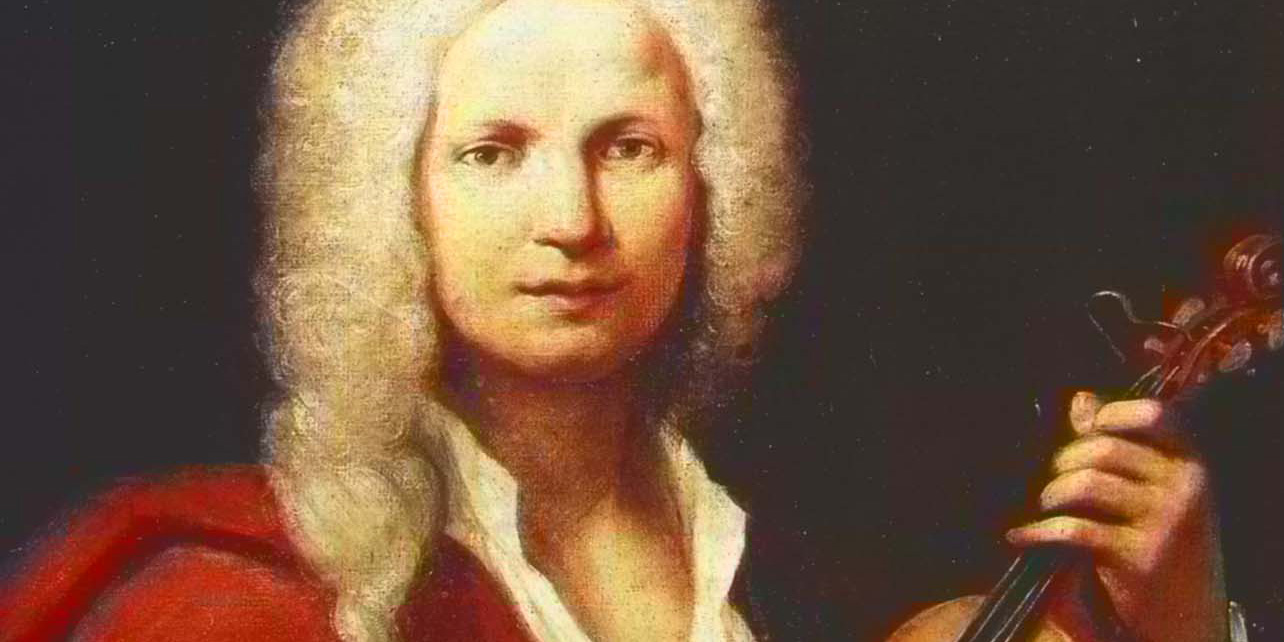
Antonio Vivaldi (1678–1741) was one of the most influential composers of the Baroque period. Known as “The Red Priest” due to his distinctive red hair and his ordination as a Catholic priest, Vivaldi composed more than 500 concertos, numerous operas, sacred works, and chamber music pieces. His innovative approach to melody, harmony, and orchestration helped shape the development of classical music and influenced composers such as Johann Sebastian Bach.
Among his extensive catalog, several compositions stand out as enduring masterpieces that continue to captivate audiences around the world. Here are the five most important works by Antonio Vivaldi.
1. The Four Seasons (Le quattro stagioni), Op. 8
Vivaldi’s Most Famous Masterpiece
No discussion of Vivaldi would be complete without The Four Seasons, a set of four violin concertos composed around 1718–1720 and published in 1725. Each concerto represents a different season of the year:
- Spring (La Primavera)
- Summer (L’Estate)
- Autumn (L’Autunno)
- Winter (L’Inverno)
What makes this work revolutionary is its programmatic nature. Vivaldi sought to depict scenes from nature through music, including birds singing, thunderstorms, flowing streams, hunting parties, and icy winds. Accompanying sonnets, likely written by Vivaldi himself, provide a narrative framework for each concerto.
Why It Matters
- One of the earliest and most successful examples of program music.
- Showcases Vivaldi’s virtuosity as a violin composer.
- Remains one of the most performed and recorded works in classical music history.
2. Gloria in D Major, RV 589
A Monument of Sacred Music
The Gloria in D Major, RV 589 is among Vivaldi’s most celebrated sacred compositions. Written for chorus, soloists, and orchestra, the work sets the traditional Latin text of the Christian liturgy.
The composition is divided into twelve movements, alternating between joyful choruses, lyrical solos, and expressive ensemble passages. The opening movement, with its triumphant orchestral fanfare and vibrant choral writing, is particularly renowned.
Why It Matters
- Represents the peak of Vivaldi’s sacred music output.
- Combines grandeur with melodic elegance.
- Frequently performed by choirs and orchestras worldwide.
3. Concerto for Two Trumpets in C Major, RV 537
A Brilliant Display of Baroque Splendor
The Concerto for Two Trumpets in C Major is one of the most exciting examples of Vivaldi’s concerto style. Featuring two solo trumpets and orchestra, the work highlights the brilliance and festive character of the Baroque trumpet.
The energetic outer movements frame a lyrical central section, creating a balanced and engaging musical structure. The interaction between the two soloists demonstrates Vivaldi’s gift for creating dynamic musical dialogue.
Why It Matters
- A cornerstone of the Baroque trumpet repertoire.
- Demonstrates Vivaldi’s mastery of orchestral color.
- Popular in concert halls and ceremonial performances.
4. Stabat Mater, RV 621
A Deeply Emotional Sacred Work
Composed around 1712, the Stabat Mater is one of Vivaldi’s most moving vocal compositions. Based on a medieval Latin hymn describing the sorrow of the Virgin Mary at the crucifixion of Christ, the work is written for alto voice and string ensemble.
Unlike the exuberance found in many of Vivaldi’s concertos, the Stabat Mater explores themes of grief, contemplation, and spiritual reflection. Its rich harmonies and expressive melodies create a profound emotional experience.
Why It Matters
- Reveals Vivaldi’s depth as a sacred composer.
- Demonstrates remarkable emotional restraint and sophistication.
- Considered one of the finest settings of the Stabat Mater text from the Baroque period.
5. L’Olimpiade, RV 725
Vivaldi’s Operatic Achievement
Although Vivaldi is primarily remembered for his instrumental music, he was also a prolific opera composer. Among his many stage works, L’Olimpiade stands as one of his greatest achievements.
Based on a libretto by Pietro Metastasio, the opera premiered in 1734 and tells a story of love, friendship, rivalry, and honor set against the backdrop of the ancient Olympic Games.
The opera contains some of Vivaldi’s most expressive arias, demonstrating his ability to combine dramatic storytelling with memorable melodies.
Why It Matters
- Represents the high point of Vivaldi’s operatic career.
- Showcases his skill in vocal writing.
- Highlights the importance of opera in eighteenth-century Italian culture.
The Lasting Legacy of Antonio Vivaldi
Antonio Vivaldi transformed the concerto into one of the defining musical forms of the Baroque era. Through works such as The Four Seasons, Gloria, Concerto for Two Trumpets, Stabat Mater, and L’Olimpiade, he demonstrated extraordinary creativity, technical brilliance, and emotional depth.
Today, his music remains a vital part of the classical repertoire, performed by leading orchestras, chamber ensembles, and soloists across the globe. More than three centuries after their creation, Vivaldi’s compositions continue to inspire audiences with their energy, beauty, and timeless appeal.
Whether through the vivid imagery of The Four Seasons or the spiritual grandeur of Gloria, Vivaldi’s music stands as a lasting testament to the artistic achievements of the Baroque age.
Comments are closed