Discover the Masterpieces That Defined Czech Romanticism
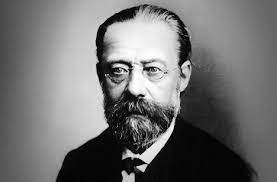
Few composers have shaped the musical identity of a nation as profoundly as Bedřich Smetana (1824–1884). Widely regarded as the father of Czech national music, Smetana combined the expressive richness of the Romantic era with melodies, rhythms, and legends deeply rooted in Bohemian culture. His music became a symbol of national pride during a period when the Czech people sought greater cultural and political independence.
Although Smetana composed operas, chamber music, piano works, and orchestral pieces, a handful of compositions stand above the rest for their artistic brilliance and historical significance. These masterpieces continue to be performed by the world’s leading orchestras and opera companies, captivating audiences with their emotional depth and vivid storytelling.
Here are the five most important compositions by Bedřich Smetana.
1. Má vlast (“My Homeland”)
Composed: 1874–1879
Without question, Má vlast is Smetana’s greatest achievement and one of the most celebrated orchestral cycles ever written. The work consists of six symphonic poems, each depicting a different aspect of the Czech landscape, history, or mythology.
The six movements are:
- Vyšehrad
- Vltava (The Moldau)
- Šárka
- From Bohemia’s Woods and Fields
- Tábor
- Blaník
Together, these pieces form a musical portrait of the Czech nation, celebrating its rivers, castles, forests, heroes, and legends.
Remarkably, Smetana composed much of Má vlast after becoming completely deaf, demonstrating extraordinary musical imagination.
Why It Matters
- The defining masterpiece of Czech orchestral music.
- A landmark of Romantic program music.
- Performed annually during the Prague Spring International Music Festival.
- Represents Czech national identity through music.
2. Vltava (The Moldau)
Composed: 1874
Although it forms the second movement of Má vlast, Vltava has become famous as an independent orchestral work.
The composition follows the journey of the Vltava River from its small forest springs through the Bohemian countryside, passing castles, villages, forests, moonlit landscapes, and the city of Prague before joining the River Elbe.
Its flowing principal melody is among the most recognizable themes in classical music and beautifully captures the movement of water while evoking both serenity and grandeur.
Musical Highlights
- Brilliant orchestral color.
- Rich melodic writing.
- Evocative musical storytelling.
- One of the finest examples of program music.
Today, Vltava remains Smetana’s most frequently performed orchestral work.
3. The Bartered Bride
Original Title: Prodaná nevěsta
Premiered: 1866
Smetana’s comic opera The Bartered Bride established him as the leading Czech opera composer.
Set in a rural Bohemian village, the story combines romance, humor, mistaken identities, and lively folk traditions. Rather than relying on mythological or aristocratic subjects common in nineteenth-century opera, Smetana celebrated ordinary Czech people and their customs.
The opera’s sparkling overture is particularly famous for its dazzling energy and technical brilliance.
Why It Is Important
- Considered the first great Czech national opera.
- Richly inspired by Bohemian folk dances.
- Frequently staged around the world.
- A cornerstone of the international operatic repertoire.
4. String Quartet No. 1 in E Minor – “From My Life”
Composed: 1876
One of the most personal chamber works of the Romantic era, From My Life is an autobiographical string quartet that reflects Smetana’s own experiences.
Each movement represents a different stage of his life:
- Youthful ambitions
- Romantic love
- Artistic success
- The tragedy of losing his hearing
One of the quartet’s most striking moments is a sustained high harmonic note played by the violin, symbolizing the ringing sound (tinnitus) that preceded Smetana’s complete deafness.
Musical Significance
- Deeply autobiographical.
- Rich emotional expression.
- A masterpiece of Romantic chamber music.
- Frequently performed by leading string quartets worldwide.
5. Libuše
Premiered: 1881
Unlike The Bartered Bride, Libuše is a ceremonial opera intended for special national occasions.
The story centers on Princess Libuše, the legendary founder of Prague, whose wisdom and prophetic vision symbolize the future greatness of the Czech nation.
Smetana composed the opera as a patriotic celebration of Czech history and identity. It was chosen to inaugurate Prague’s National Theatre in 1881, making it one of the most symbolic works in Czech musical history.
Why It Stands Out
- A powerful expression of Czech nationalism.
- Rich orchestral writing.
- Noble and heroic musical themes.
- Closely associated with important national celebrations.
Smetana’s Enduring Legacy
Bedřich Smetana transformed Czech music by creating compositions that spoke directly to the culture, landscapes, and history of his homeland. His influence paved the way for later Czech composers such as Antonín Dvořák and Leoš Janáček, helping establish the Czech Republic as one of Europe’s great musical traditions.
Despite losing his hearing in midlife, Smetana continued composing works of astonishing originality and emotional power. His resilience and artistic vision remain an inspiration to musicians and audiences alike.
Whether through the flowing beauty of Vltava, the patriotic grandeur of Má vlast, the joyful spirit of The Bartered Bride, the emotional intimacy of From My Life, or the majestic symbolism of Libuše, Smetana’s music continues to resonate across generations.
Final Thoughts
Bedřich Smetana’s greatest compositions represent far more than exceptional examples of Romantic music—they are enduring expressions of national identity, personal courage, and artistic innovation. More than a century after their creation, these works remain central to concert halls, opera houses, and music festivals around the world.
Comments are closed