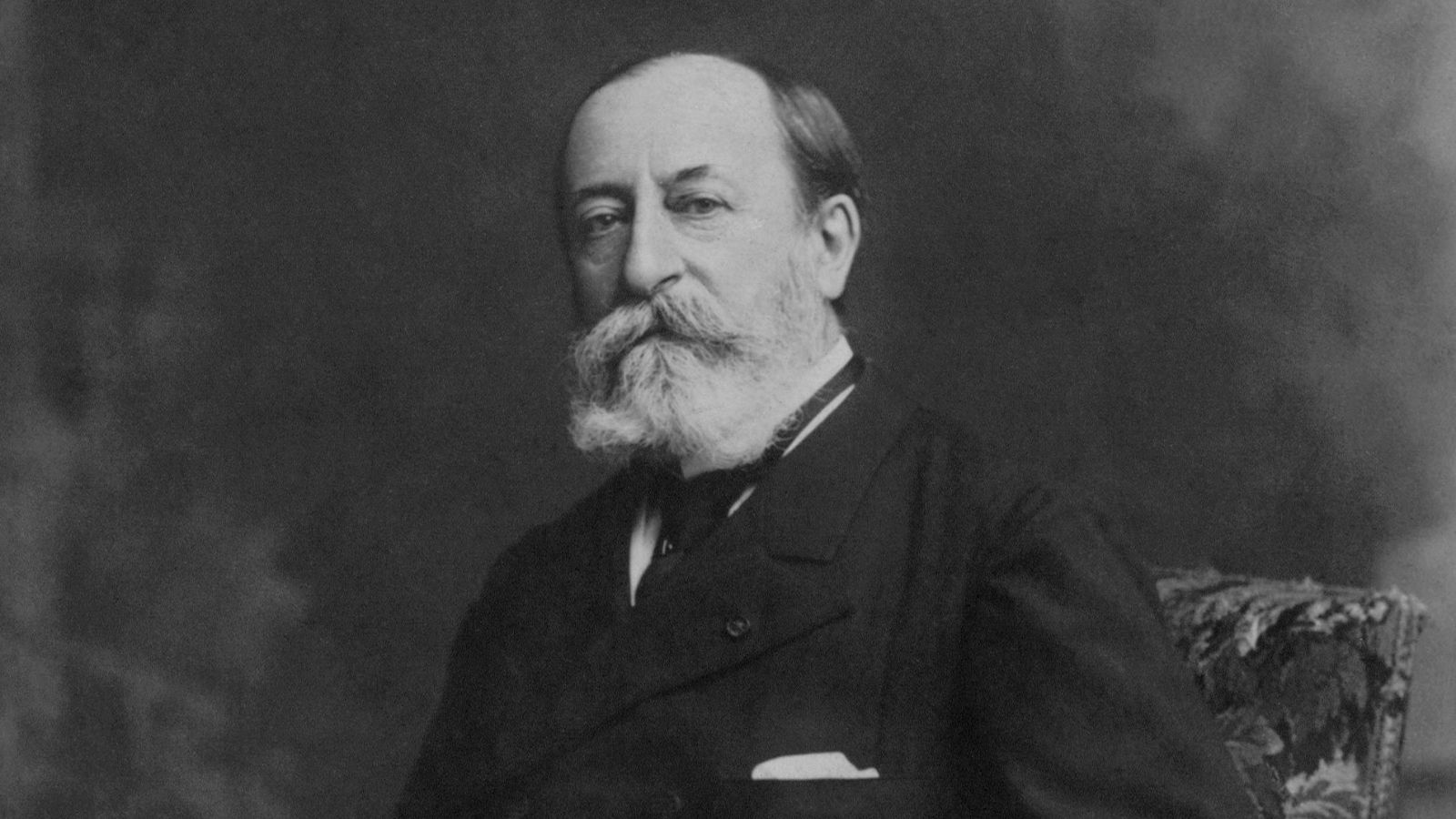
Few composers combined elegance, virtuosity, and imagination as successfully as Camille Saint-Saëns. A child prodigy, accomplished pianist, organist, and prolific composer, Saint-Saëns played a central role in shaping French Romantic music. His works are admired for their technical brilliance, expressive depth, and remarkable craftsmanship.
Whether you’re a classical music enthusiast or discovering his music for the first time, these five masterpieces represent the very best of Saint-Saëns’ extraordinary legacy.
1. The Carnival of the Animals (Le Carnaval des animaux)
A Musical Celebration of Nature
Composed in 1886, The Carnival of the Animals is arguably Saint-Saëns’ most beloved work. This humorous suite consists of fourteen short movements, each depicting a different animal through vivid orchestral colors and clever musical characterization.
Listeners encounter majestic lions, graceful swans, playful kangaroos, clucking hens, lumbering elephants, and even fossils represented with witty quotations from famous melodies.
Ironically, Saint-Saëns considered the piece too lighthearted for his reputation and prohibited most public performances during his lifetime. Only the famous movement The Swan was published while he was alive.
Today, however, the suite has become one of the most frequently performed works in the classical repertoire and remains an excellent introduction to orchestral music for audiences of all ages.
Why It Stands Out
- Accessible and entertaining
- Rich orchestration
- Brilliant musical humor
- Ideal for children and adults alike
2. Symphony No. 3 in C Minor, “Organ Symphony”
A Monument of Symphonic Writing
Completed in 1886 and dedicated to Franz Liszt, the Symphony No. 3, commonly known as the Organ Symphony, is widely regarded as Saint-Saëns’ greatest orchestral achievement.
Unlike traditional symphonies, this work incorporates both organ and piano into the orchestra, creating an immense and unforgettable sonic landscape.
The symphony gradually builds toward one of classical music’s most famous finales, where the organ enters with tremendous power, transforming the entire orchestra into a majestic wall of sound.
The work combines lyrical beauty, structural perfection, and emotional intensity, making it a favorite among orchestras worldwide.
Highlights
- Spectacular organ finale
- Rich Romantic harmonies
- Masterful orchestration
- One of the greatest French symphonies ever written
3. Danse Macabre
A Dance with Death
Inspired by an old French legend, Danse Macabre tells the story of Death appearing at midnight to summon skeletons from their graves for a wild dance until dawn.
The piece opens with twelve harp notes representing midnight before the solo violin enters using a deliberately unsettling tritone—historically known as the “Devil’s Interval.”
Saint-Saëns employs imaginative orchestration throughout the work. Xylophone passages imitate rattling bones, while swirling strings and dramatic brass create an atmosphere that is simultaneously eerie, playful, and exhilarating.
Today, Danse Macabre is frequently featured in Halloween concerts, films, television, and popular culture.
Why Audiences Love It
- Memorable melodies
- Brilliant storytelling through music
- Innovative orchestration
- Perfect blend of mystery and excitement
4. Piano Concerto No. 2 in G Minor
Virtuosity Meets Elegance
Premiered in 1868, the Piano Concerto No. 2 remains one of the most popular piano concertos ever composed.
Legend has it that Saint-Saëns wrote the concerto in just seventeen days, an astonishing feat considering its sophistication.
The first movement begins unusually with a dramatic solo piano introduction reminiscent of Bach before evolving into Romantic lyricism. The second movement provides lighthearted charm, while the energetic finale bursts with dazzling virtuosity and sparkling brilliance.
The concerto demands exceptional technical skill while never sacrificing musical expression, making it a favorite among both performers and audiences.
Key Features
- Brilliant piano writing
- Strong Baroque influences
- Exciting finale
- Frequently performed in international competitions
5. Samson and Delilah (Samson et Dalila)
Saint-Saëns’ Operatic Masterpiece
Although Saint-Saëns composed numerous operas, Samson and Delilah stands above them all.
Based on the biblical story from the Book of Judges, the opera explores themes of love, betrayal, temptation, and redemption.
The score contains some of the composer’s most beautiful melodies, particularly Delilah’s famous aria “Mon cœur s’ouvre à ta voix” (“My Heart Opens to Your Voice”), one of the greatest mezzo-soprano arias in the operatic repertoire.
Another highlight is the exotic and sensual Bacchanale, whose vibrant orchestration and Eastern-inspired themes have become popular concert pieces independent of the opera.
Why It Endures
- Beautiful vocal writing
- Powerful dramatic storytelling
- Rich orchestral textures
- Famous arias and ballet music
Camille Saint-Saëns’ Lasting Legacy
Camille Saint-Saëns (1835–1921) was one of the most versatile composers of the Romantic era. His career spanned more than seventy years, during which he composed symphonies, concertos, operas, chamber music, sacred works, and solo piano pieces.
His music bridges Classical clarity and Romantic expressiveness, combining technical precision with melodic beauty. While some composers pursued increasingly experimental styles, Saint-Saëns remained committed to balance, elegance, and formal excellence.
Comments are closed