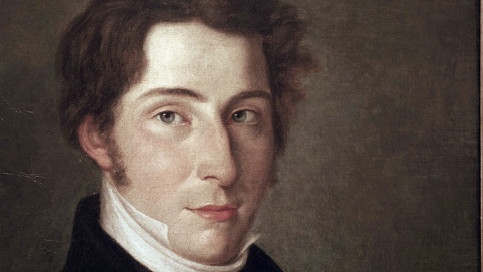
Carl Maria von Weber (1786–1826) stands as one of the most influential composers in the transition from the Classical to the Romantic era. Best known as a pioneer of German Romantic opera, Weber transformed orchestral color, dramatic storytelling, and instrumental writing. His works inspired later composers such as Richard Wagner, Felix Mendelssohn, Hector Berlioz, and Franz Liszt, leaving a lasting impact on nineteenth-century music.
Although his career was relatively short, Weber composed masterpieces that continue to be performed in opera houses, concert halls, and conservatories around the world. Here are five of his most important compositions and why they remain essential listening for classical music enthusiasts.
1. Der Freischütz, Op. 77 (1821)
The Birth of German Romantic Opera
Der Freischütz is widely regarded as Weber’s greatest achievement and one of the defining works of German Romanticism. Premiering in Berlin in 1821, the opera combines folklore, supernatural elements, and emotional depth in a way that revolutionized operatic composition.
The story follows the young huntsman Max, who enters into a dangerous pact with dark forces in order to win a shooting contest and marry his beloved Agathe. The famous “Wolf’s Glen Scene” remains one of the most dramatic and innovative moments in early Romantic opera.
Musical Highlights
- Rich orchestral colors that evoke forests and supernatural atmospheres
- Memorable lyrical arias and choruses
- Innovative use of leitmotif-like thematic ideas
- Brilliant dramatic pacing
Why It Matters
Der Freischütz established a distinctly German operatic tradition and paved the way for Wagner’s music dramas. Its influence can be heard throughout nineteenth-century opera.
2. Invitation to the Dance, Op. 65 (1819)
The First Concert Waltz
Originally written for solo piano, Invitation to the Dance tells a complete story without words. Weber depicts a gentleman inviting a lady to dance, the graceful waltz itself, and the couple’s polite farewell.
Unlike earlier dance music intended simply for dancing, this work was designed for concert performance, making it one of the earliest examples of the concert waltz.
Musical Highlights
- Elegant Romantic melodies
- Brilliant piano writing
- Sophisticated harmonic language
- Programmatic storytelling through music
Why It Matters
The orchestral version later arranged by Hector Berlioz became especially famous and helped establish the waltz as a respected concert genre.
3. Clarinet Concerto No. 1 in F Minor, Op. 73 (1811)
A Masterpiece of the Clarinet Repertoire
Composed for the virtuoso clarinetist Heinrich Baermann, Weber’s First Clarinet Concerto is considered one of the greatest concertos ever written for the instrument.
The concerto explores the full expressive and technical possibilities of the clarinet, balancing lyrical beauty with dazzling virtuosity.
Musical Highlights
- Brilliant technical passages
- Warm, expressive slow movement
- Dramatic contrasts
- Rich orchestral accompaniment
Why It Matters
The concerto remains a cornerstone of the clarinet repertoire and is frequently performed in competitions, auditions, and professional concerts.
4. Clarinet Concerto No. 2 in E-flat Major, Op. 74 (1811)
Virtuosity Meets Elegance
Completed shortly after the First Clarinet Concerto, Weber’s Second Concerto further expands the expressive possibilities of the instrument.
The work features energetic outer movements surrounding a lyrical central movement that showcases the clarinet’s singing tone.
Musical Highlights
- Rapid technical passages
- Brilliant orchestral dialogue
- Graceful Romantic melodies
- Exceptional craftsmanship
Why It Matters
Together with the First Concerto, this work helped define the Romantic clarinet style and continues to be a favorite among performers worldwide.
5. Konzertstück in F Minor for Piano and Orchestra, Op. 79 (1821)
A Revolutionary One-Movement Piano Concerto
The Konzertstück broke with traditional concerto structure by presenting a continuous single movement divided into interconnected sections.
Rather than following the standard three-movement format, Weber created a highly dramatic narrative depicting a lady awaiting the return of her knight from the Crusades before celebrating his triumphant homecoming.
Musical Highlights
- Continuous musical flow
- Brilliant piano virtuosity
- Dramatic orchestral writing
- Rich Romantic harmonies
Why It Matters
The work anticipated later Romantic innovations by composers such as Liszt and influenced the development of the symphonic poem and the single-movement concerto.
Carl Maria von Weber’s Musical Legacy
Carl Maria von Weber occupies a unique place in music history. He successfully bridged the Classical traditions of Mozart and Beethoven with the emotional intensity of the Romantic era. His orchestration was remarkably colorful, his operas introduced a new sense of dramatic realism, and his instrumental works pushed performers to new technical heights.
Comments are closed