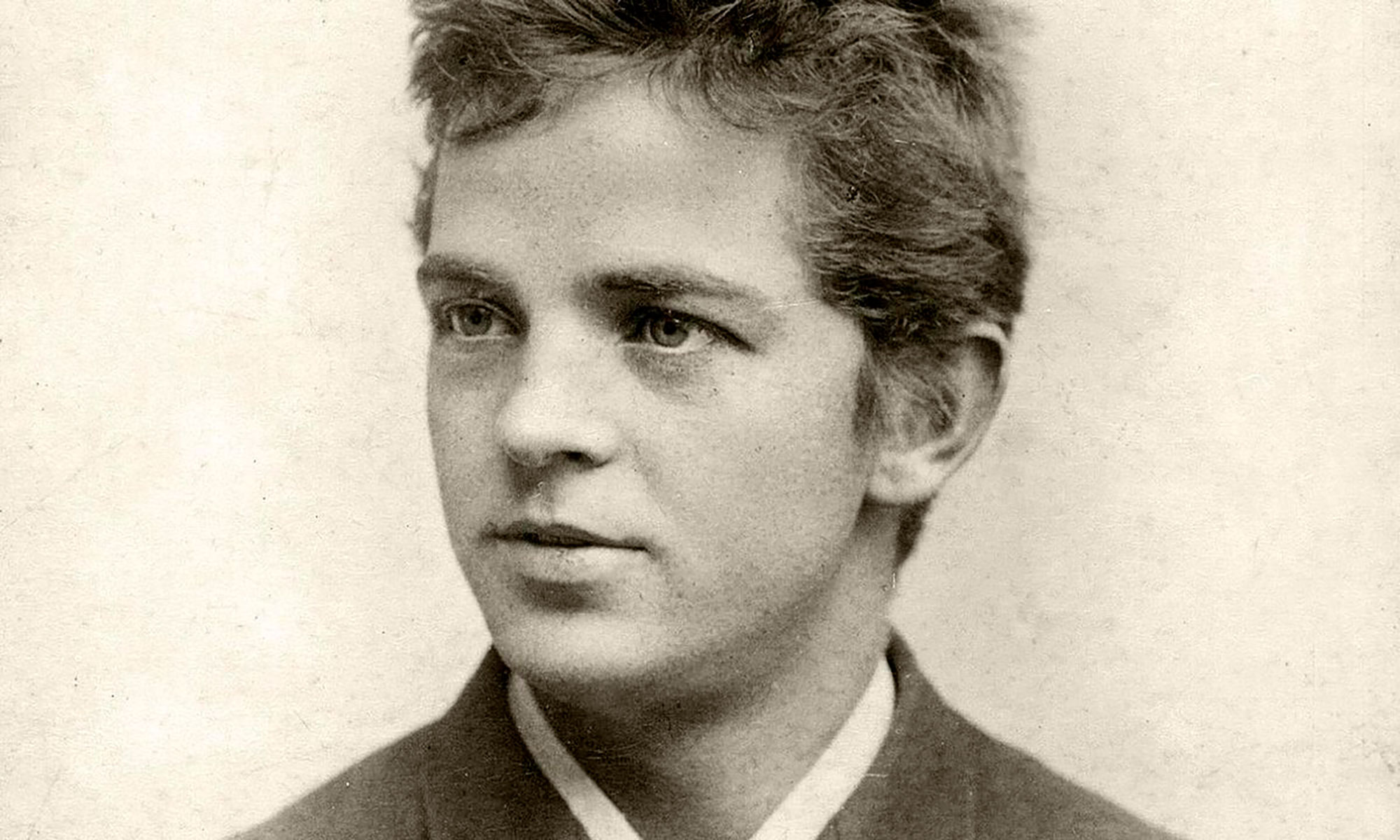
Carl Nielsen: A Pioneer of Modern Symphonic Music
Carl Nielsen (1865–1931) is widely regarded as Denmark’s greatest composer and one of the most original musical voices of the late Romantic and early Modern eras. While his music shares some characteristics with composers such as Brahms, Sibelius, and Mahler, Nielsen developed a highly individual style marked by energetic rhythms, evolving tonal structures, powerful orchestration, and a profound sense of musical conflict and resolution.
Although his works were initially better known in Scandinavia than elsewhere, today Nielsen’s compositions have become staples of the international orchestral repertoire. His six symphonies, concertos, chamber music, and vocal works continue to attract audiences for their emotional depth, innovation, and unmistakable musical personality.
Here are five of Carl Nielsen’s most important compositions.
1. Symphony No. 4, Op. 29 – The Inextinguishable (1914–1916)
Perhaps Nielsen’s most famous work, The Inextinguishable was composed during the First World War. Rather than depicting the war itself, the symphony celebrates the indestructible force of life.
The work unfolds as a continuous musical journey instead of following the traditional four-movement structure. It features dramatic contrasts, powerful climaxes, lyrical passages, and one of the most memorable endings in symphonic literature: a thrilling duel between two sets of timpani placed on opposite sides of the orchestra.
Why it matters
- Nielsen’s most frequently performed symphony
- A landmark of twentieth-century orchestral music
- Combines emotional intensity with remarkable structural innovation
2. Symphony No. 5, Op. 50 (1920–1922)
The Fifth Symphony represents one of Nielsen’s boldest artistic achievements. Written in the aftermath of World War I, the work explores themes of order, chaos, destruction, and renewal.
One of its most famous moments occurs during the first movement, when the snare drummer is instructed to improvise in an attempt to disrupt the orchestra’s performance—a striking musical representation of conflict that was highly unconventional for its time.
The symphony ultimately resolves its tensions with an overwhelming sense of triumph, making it one of Nielsen’s most compelling and emotionally powerful works.
Highlights
- Innovative orchestral techniques
- Dramatic psychological narrative
- Frequently considered Nielsen’s greatest masterpiece
3. Violin Concerto, Op. 33 (1911)
Unlike many Romantic violin concertos that emphasize dazzling virtuosity above all else, Nielsen’s Violin Concerto seeks a balance between technical brilliance and musical expression.
Structured in two large movements instead of the traditional three, the concerto combines elegance, humor, lyricism, and moments of remarkable energy. The solo violin engages in an almost conversational relationship with the orchestra rather than simply dominating it.
Today, it is considered one of the finest violin concertos of the twentieth century and has been championed by many of the world’s leading violinists.
Why listeners love it
- Beautiful lyrical writing
- Brilliant but never excessive virtuosity
- Fresh and distinctive orchestral dialogue
4. Wind Quintet, Op. 43 (1922)
The Wind Quintet stands as one of the greatest chamber music works ever written for winds.
Inspired by Nielsen’s friendships with members of the Copenhagen Wind Quintet, the composition gives each instrument a distinct personality. Rather than treating the ensemble as a homogeneous group, Nielsen highlights the unique character of the flute, oboe, clarinet, horn, and bassoon.
The final movement consists of a theme and variations, each variation reflecting the musical personality of one of the performers for whom the work was written.
Musical significance
- A cornerstone of the wind chamber repertoire
- Richly expressive yet accessible
- Celebrated for its warmth, humor, and craftsmanship
5. Clarinet Concerto, Op. 57 (1928)
Composed late in Nielsen’s life, the Clarinet Concerto is among the most psychologically complex works in the instrument’s repertoire.
Rather than presenting the clarinet as a purely lyrical soloist, Nielsen portrays it as a character experiencing constant emotional shifts—sometimes playful, sometimes aggressive, sometimes introspective.
The concerto’s unusual structure, dramatic percussion writing, and unpredictable harmonic language make it one of the defining concertos of the twentieth century.
What makes it unique
- Extraordinary emotional range
- Innovative orchestration
- A favorite among professional clarinetists
Carl Nielsen’s Musical Legacy
Carl Nielsen transformed the language of symphonic and orchestral music by combining classical forms with an adventurous harmonic imagination and a deeply human emotional voice.
His music bridges the gap between Romanticism and Modernism without abandoning melody, clarity, or expressive power. While his six symphonies remain his greatest achievement, his concertos and chamber music demonstrate an equally remarkable originality.
Comments are closed