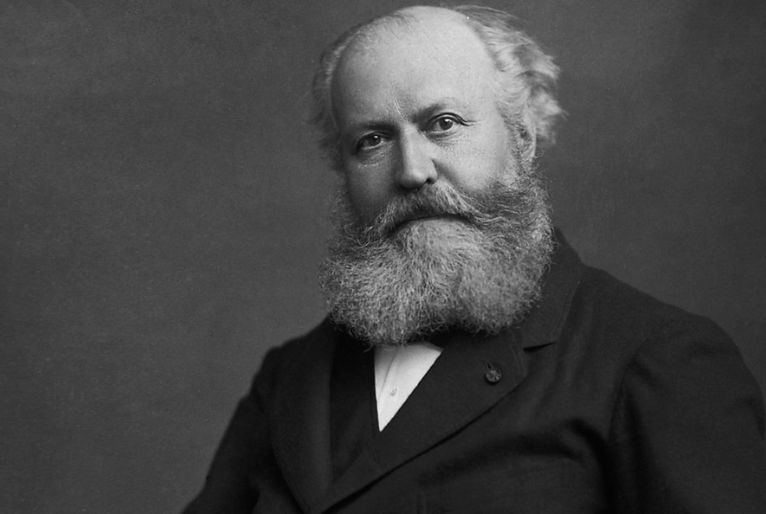
Charles Gounod: The 5 Most Famous Compositions That Shaped French Romantic Music
Charles Gounod (1818–1893) remains one of the most celebrated composers of the French Romantic era. Best known for his lyrical melodies, expressive harmonies, and deep religious inspiration, Gounod created works that continue to be performed in opera houses, concert halls, and churches around the world.
His music bridges elegance, emotion, and dramatic storytelling, making him one of the defining voices of 19th-century French classical music. Below are the five compositions that best represent his artistic legacy.
1. Faust (1859)
Genre: Opera
Faust is undoubtedly Charles Gounod’s masterpiece and one of the greatest French operas ever written. Based on Johann Wolfgang von Goethe’s legendary tale, the opera follows the aging scholar Faust, who makes a pact with the devil, Méphistophélès, in exchange for youth, love, and worldly pleasures.
The opera combines unforgettable melodies with powerful drama, exploring themes of temptation, redemption, love, and sacrifice. Its emotional depth and theatrical brilliance have secured its place in the international operatic repertoire for more than 160 years.
Highlights
- The famous “Soldiers’ Chorus”
- Marguerite’s “Jewel Song”
- The lyrical duet between Faust and Marguerite
- One of the most frequently performed French operas in history
2. Roméo et Juliette (1867)
Genre: Opera
Inspired by William Shakespeare’s timeless tragedy, Roméo et Juliette showcases Gounod’s gift for expressive vocal writing and emotional storytelling.
The opera focuses primarily on the romance between the two young lovers, emphasizing lyrical beauty over political conflict. Gounod composed some of the most beautiful love duets in opera, making this work especially beloved among audiences and singers.
Today, Roméo et Juliette remains a cornerstone of the French operatic tradition.
Highlights
- Five major duets between Romeo and Juliet
- Juliet’s brilliant “Je veux vivre” waltz
- Rich orchestration and lyrical melodies
- A favorite among lyric sopranos and tenors
3. Ave Maria (1859)
Genre: Sacred Music
Perhaps Gounod’s most universally recognized composition, Ave Maria is admired by both classical music enthusiasts and general audiences alike.
Rather than composing an entirely original accompaniment, Gounod wrote a flowing melody over Johann Sebastian Bach’s Prelude No. 1 in C Major from The Well-Tempered Clavier. The combination of Bach’s harmonic foundation with Gounod’s graceful melody produced one of the most famous sacred works ever written.
The piece is frequently performed at weddings, religious ceremonies, memorial services, and classical concerts.
Highlights
- Based on Bach’s Prelude in C Major
- One of the world’s most famous sacred compositions
- Widely arranged for voice, piano, violin, cello, choir, and orchestra
- A timeless example of simplicity and elegance
4. Mireille (1864)
Genre: Opera
Mireille is based on the Provençal poem by Frédéric Mistral and reflects Gounod’s fascination with French regional culture.
Unlike the grand historical settings of many operas of the period, Mireille portrays rural life in southern France. The story follows the tragic love between Mireille, a wealthy farmer’s daughter, and Vincent, a humble basket maker.
Although initially receiving mixed reviews, the opera has since been recognized for its beautiful orchestration, lyrical writing, and vivid depiction of Provence.
Highlights
- Inspired by Provençal folklore
- Rich orchestral colors
- Beautiful pastoral atmosphere
- Strong influence of French regional traditions
5. Messe Solennelle de Sainte Cécile (1855)
Genre: Sacred Choral Music
The Messe Solennelle de Sainte Cécile (St. Cecilia Mass) is one of Gounod’s finest sacred compositions. Written for soloists, choir, and orchestra, the work demonstrates his exceptional ability to combine religious devotion with Romantic musical expression.
The mass quickly gained popularity throughout Europe and became one of the most frequently performed sacred works of the 19th century. Its soaring melodies and luminous orchestration make it a favorite among choirs and orchestras today.
Highlights
- Dedicated to Saint Cecilia, the patron saint of music
- Rich orchestral and choral writing
- Combines liturgical tradition with Romantic lyricism
- Frequently performed in churches and concert halls
Charles Gounod’s Lasting Legacy
Charles Gounod helped define French Romantic music through his remarkable ability to blend dramatic expression, melodic beauty, and spiritual depth. While his operas continue to captivate audiences on the world’s greatest stages, his sacred music remains an enduring part of religious and concert repertoires.
Whether through the dramatic grandeur of Faust, the romantic elegance of Roméo et Juliette, the serene beauty of Ave Maria, the pastoral charm of Mireille, or the uplifting power of the Messe Solennelle de Sainte Cécile, Gounod’s music continues to inspire musicians and listeners across generations.
Comments are closed