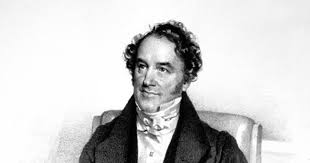
Conradin Kreutzer: A Master of German Romantic Music
Conradin Kreutzer (1780–1849) was one of the most respected German composers of the early Romantic period. Although his reputation has been overshadowed by contemporaries such as Carl Maria von Weber, Franz Schubert, and Felix Mendelssohn, Kreutzer played a significant role in the development of German opera, chamber music, and vocal works during the nineteenth century.
Educated initially in law before devoting himself entirely to music, Kreutzer became renowned as a composer, conductor, and music director. His works were admired for their lyrical melodies, expressive orchestration, and ability to blend dramatic storytelling with elegant classical forms. Throughout his career, he composed nearly forty operas, numerous sacred works, symphonies, chamber music, and hundreds of songs.
Today, several of his compositions continue to attract performers and scholars interested in the richness of early Romantic music. Here are five of his most significant works.
1. Das Nachtlager in Granada (1834)
Kreutzer’s Greatest Operatic Success
Das Nachtlager in Granada (“The Night Camp in Granada”) is widely regarded as Conradin Kreutzer’s masterpiece and remains the work most closely associated with his name.
Premiered in 1834, the opera is set in medieval Spain and combines romance, mistaken identities, adventure, and noble heroism. It quickly became one of the most frequently performed German operas of its time, remaining popular throughout the nineteenth century.
The music balances graceful lyricism with dramatic intensity, featuring memorable arias, expressive ensembles, and colorful orchestration. Kreutzer’s gift for melodic writing is particularly evident throughout the score, making the opera both emotionally engaging and highly accessible.
Although rarely staged today, Das Nachtlager in Granada represents an important milestone in German Romantic opera and deserves renewed attention from modern audiences.
Why it matters
- Kreutzer’s most famous opera
- A landmark of German Romantic opera
- Celebrated for its lyrical melodies and theatrical effectiveness
2. Melusina (1833)
A Romantic Fairy-Tale Opera
Premiered just one year before Das Nachtlager in Granada, Melusina is another of Kreutzer’s finest stage works.
Based on the medieval legend of the water spirit Melusina, the opera explores themes of love, mystery, sacrifice, and the supernatural—subjects that fascinated Romantic audiences throughout Europe.
The score features atmospheric orchestral writing, expressive vocal lines, and imaginative dramatic scenes that reflect the growing Romantic fascination with folklore and fantasy. Kreutzer demonstrates remarkable skill in creating contrasting moods, moving effortlessly between intimate lyrical passages and grand dramatic climaxes.
While largely forgotten today, Melusina remains one of the finest examples of German Romantic fairy-tale opera before the rise of Richard Wagner.
Highlights
- Rich Romantic atmosphere
- Beautiful orchestral colors
- Excellent example of German operatic storytelling
3. Der Taucher
A Powerful Ballad for Choir and Orchestra
Among Kreutzer’s most admired vocal works is Der Taucher (“The Diver”), based on Friedrich Schiller’s famous poem.
The dramatic narrative tells the story of a courageous young man challenged by a king to retrieve a golden goblet from a deadly whirlpool. Kreutzer transforms Schiller’s vivid text into an exciting musical drama for soloists, chorus, and orchestra.
The work combines vivid orchestral depiction with expressive choral writing, illustrating Kreutzer’s ability to paint dramatic scenes through music. The changing emotional landscape—from suspense and danger to triumph and tragedy—is reflected through dynamic contrasts and memorable thematic material.
Der Taucher became a favorite among nineteenth-century choral societies and remains an impressive example of Romantic narrative composition.
Why listeners appreciate it
- Dramatic storytelling
- Strong choral writing
- Effective orchestral depiction of nature and emotion
4. Symphony in C Minor
Classical Structure with Romantic Expression
Although Kreutzer is primarily remembered as an opera composer, his orchestral music reveals a composer equally comfortable with purely instrumental forms.
His Symphony in C Minor blends the structural clarity inherited from Haydn and Mozart with the expressive language emerging during the Romantic era. The work features energetic rhythms, lyrical slow movements, and skillfully developed thematic material.
Rather than pursuing overwhelming orchestral grandeur, Kreutzer emphasizes elegance, balance, and melodic richness. The symphony illustrates the transitional musical language that bridges the Classical and Romantic periods.
For listeners interested in exploring lesser-known nineteenth-century symphonic repertoire, this work offers a rewarding experience.
Key characteristics
- Classical architecture
- Romantic melodic expression
- Refined orchestration
5. Six String Quartets, Op. 61
Chamber Music of Remarkable Elegance
Kreutzer’s chamber music demonstrates the same craftsmanship found in his operas. Among his finest instrumental works are the Six String Quartets, Op. 61, which reveal his command of counterpoint, thematic development, and lyrical conversation among the four instruments.
These quartets combine graceful melodies with sophisticated harmonic language while maintaining the balanced structure expected from the great chamber music tradition established by Haydn, Mozart, and Beethoven.
Although they remain relatively unknown outside specialist circles, the quartets showcase Kreutzer as a composer of considerable originality and technical skill.
Why they deserve attention
- Excellent chamber writing
- Beautiful lyrical themes
- Fine balance between Classical form and Romantic expression
Conradin Kreutzer’s Musical Legacy
Conradin Kreutzer occupies an important place in the history of German Romantic music. While later composers such as Wagner, Schumann, and Brahms eventually overshadowed his achievements, Kreutzer helped shape the evolution of German opera during a crucial transitional period.
His music is characterized by:
- Memorable, singable melodies
- Elegant orchestration
- Strong dramatic instincts
- Classical formal balance enriched by Romantic expressiveness
- A natural gift for vocal writing
These qualities earned him widespread admiration during his lifetime and influenced generations of performers and composers.
Comments are closed