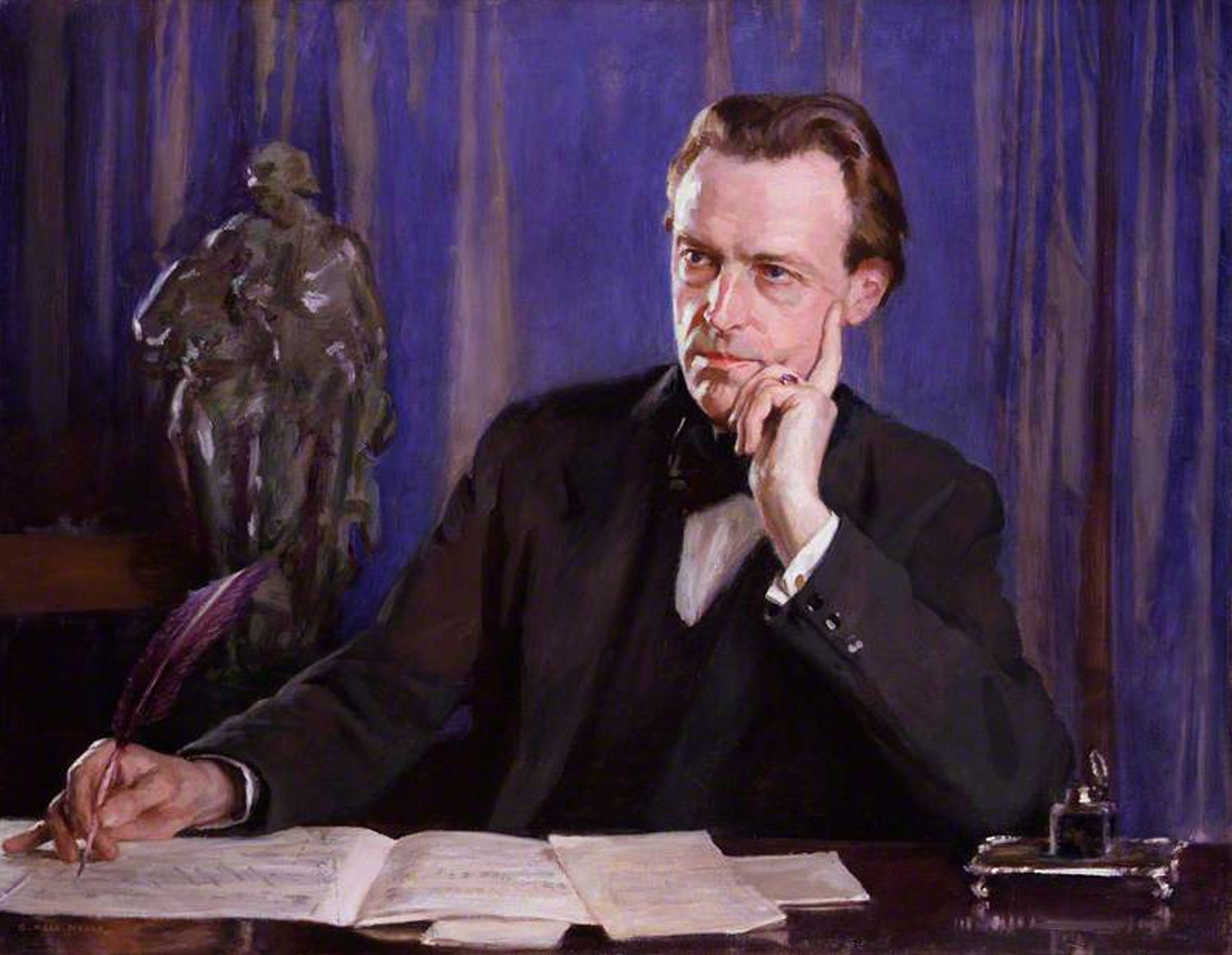
Discover the Musical Legacy of One of Britain’s Most Original Composers
Although he is less widely known today than contemporaries such as Edward Elgar, Gustav Holst, or Ralph Vaughan Williams, Cyril Scott (1879–1970) was one of the most innovative British composers of the early twentieth century. His music combines Impressionist colors, Romantic lyricism, mystical influences, and harmonic experimentation, creating a distinctive musical language that was ahead of its time.
Scott composed more than 400 works, including orchestral music, chamber music, piano pieces, songs, and operas. His influence extended beyond composition into literature, philosophy, and alternative medicine, making him one of the most fascinating artistic figures of his generation.
Here are five of his most significant compositions and why they continue to deserve attention today.
1. Piano Concerto No. 1 (1914)
A Brilliant Blend of Virtuosity and Impressionism
Among Scott’s finest orchestral achievements, the Piano Concerto No. 1 demonstrates his extraordinary gift for combining technical brilliance with rich orchestral colors.
Rather than following the dramatic, heroic style of many Romantic concertos, Scott creates an atmosphere filled with shimmering harmonies, fluid melodies, and subtle emotional contrasts. The solo piano interacts naturally with the orchestra instead of merely dominating it, producing a highly sophisticated musical conversation.
Why it matters
- One of Scott’s greatest orchestral masterpieces.
- Demonstrates his mature harmonic language.
- Combines virtuosity with remarkable lyrical beauty.
- An excellent introduction to his orchestral music.
2. Lotus Land (1905)
The Piano Piece That Made Him Famous
No discussion of Cyril Scott is complete without Lotus Land, arguably his best-known composition.
Inspired by the dreamlike atmosphere of Alfred, Lord Tennyson’s poem The Lotos-Eaters, the work evokes a mysterious, almost hypnotic landscape. Gentle arpeggios, exotic harmonies, and floating melodies create a sense of suspended time.
The piece became enormously popular during Scott’s lifetime and remains one of the most frequently performed works in his piano repertoire.
Why it matters
- Scott’s signature piano composition.
- A masterpiece of musical Impressionism.
- Frequently recorded by leading pianists.
- Perfect for listeners discovering Scott for the first time.
3. Symphony No. 1 (1899)
The Beginning of an Extraordinary Career
Composed while Scott was still a young man, Symphony No. 1 reveals remarkable confidence and originality.
Although influenced by the late Romantic tradition, the symphony already hints at the harmonic innovations and atmospheric textures that would later define Scott’s mature style.
Its sweeping melodies, rich orchestration, and emotional intensity show why many critics believed Scott would become one of Britain’s leading composers.
Why it matters
- Marks the beginning of Scott’s orchestral career.
- Displays impressive compositional maturity.
- Bridges Romantic tradition and modern harmonic ideas.
4. Early One Morning
A Beautiful Transformation of an English Folk Melody
Scott’s Early One Morning is based on the beloved English folk song of the same name, but it is much more than a simple arrangement.
He transforms the familiar melody into an elegant, richly colored concert work filled with delicate harmonies and expressive orchestration. The result is both nostalgic and refined, demonstrating Scott’s remarkable ability to reimagine traditional material.
Why it matters
- A superb example of Scott’s lyrical writing.
- Highlights his sophisticated orchestral craftsmanship.
- Shows his ability to balance tradition with innovation.
5. Neptune (The Planets’ Companion)
A Mystical Orchestral Tone Poem
Not to be confused with Gustav Holst’s movement from The Planets, Scott’s Neptune is an atmospheric tone poem inspired by mystical and spiritual ideas that fascinated the composer throughout his life.
The work explores vast orchestral textures, unusual harmonic progressions, and an almost otherworldly sense of space. It reflects Scott’s lifelong interest in spirituality and metaphysical philosophy, themes that influenced much of his artistic output.
Why it matters
- One of Scott’s most imaginative orchestral works.
- Illustrates his fascination with mysticism.
- Demonstrates his highly individual musical voice.
Comments are closed