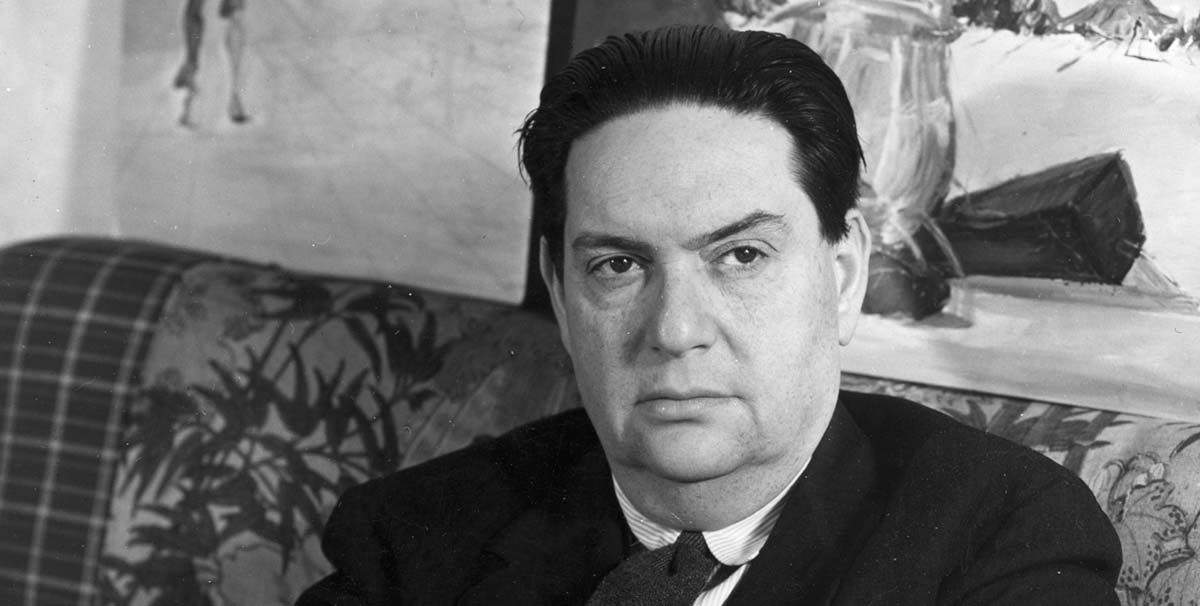
Darius Milhaud: A Pioneer of Modern Music
Darius Milhaud (1892–1974) was one of the most prolific and influential composers of the twentieth century. A member of the famous French artistic collective Les Six, Milhaud developed a unique musical language that combined classical traditions with jazz, Brazilian rhythms, polytonality, and innovative orchestration. Throughout his career, he composed more than 400 works, ranging from operas and symphonies to chamber music, ballets, and concertos.
His music reflects a remarkable openness to different cultures and styles, making him one of the most original voices in modern classical music. The following five compositions represent some of his greatest artistic achievements and continue to be widely performed and admired today.
1. La Création du monde, Op. 81 (1923)
Among Milhaud’s most celebrated works, La Création du monde (“The Creation of the World”) is a ballet inspired by African creation myths. Written shortly after the composer visited the United States, the work demonstrates his fascination with American jazz, which he encountered in Harlem during the early 1920s.
Rather than simply imitating jazz, Milhaud integrated its rhythmic vitality, blues-inspired melodies, and instrumental colors into a sophisticated classical framework. The result is one of the earliest successful fusions of jazz and symphonic music.
The chamber-sized orchestra, featuring a prominent saxophone, creates an energetic and colorful sound world. Today, La Création du monde remains one of the landmark compositions that helped bridge classical music and jazz.
Why it matters:
- One of the earliest masterpieces combining jazz with classical music.
- A milestone in twentieth-century ballet.
- A brilliant example of Milhaud’s polytonal writing.
2. Le Bœuf sur le toit, Op. 58 (1919)
Originally conceived as music for a silent film, Le Bœuf sur le toit (“The Ox on the Roof”) eventually became a ballet and one of Milhaud’s signature compositions.
The piece was inspired by Brazilian popular music, which Milhaud discovered while serving as secretary to the French ambassador in Brazil between 1917 and 1918. During his stay, he became fascinated by local melodies, rhythms, and dance traditions.
The composition is built from numerous Brazilian tunes connected in a lively rondo-like structure. Full of humor, wit, and constant rhythmic motion, it perfectly captures the playful spirit associated with Les Six.
Why it matters:
- Inspired by authentic Brazilian popular music.
- One of Milhaud’s most recognizable orchestral works.
- Demonstrates his gift for rhythm and orchestral color.
3. Saudades do Brasil, Op. 67 (1920–1921)
Saudades do Brasil is a collection of twelve piano dances, each named after a district of Rio de Janeiro. Later orchestrated by the composer, the suite represents one of the finest musical tributes ever written by a European composer to Brazilian culture.
The Portuguese word saudade expresses a deep emotional longing, and Milhaud’s work reflects his affection for Brazil following his stay there during World War I.
The music combines Brazilian dance rhythms—including the samba and maxixe—with Milhaud’s characteristic polytonality, producing an elegant balance between popular and classical traditions.
Why it matters:
- Celebrates Brazilian musical culture.
- A masterpiece of piano and orchestral repertoire.
- Showcases Milhaud’s distinctive harmonic language.
4. Scaramouche, Op. 165b (1937)
Originally written as incidental music for the theatre, Scaramouche became famous through its arrangement for two pianos and was later adapted for numerous instrumental combinations, including saxophone and orchestra.
The suite consists of three movements:
- Vif
- Modéré
- Brazileira
The final movement, Brazileira, is particularly popular because of its lively samba-inspired rhythms and infectious energy. It has become a favorite among concert performers and audiences alike.
Although technically accessible compared with some twentieth-century repertoire, Scaramouche is rich in rhythmic vitality and sparkling melodic invention.
Why it matters:
- One of Milhaud’s most frequently performed works.
- Especially popular among pianists and saxophonists.
- Combines virtuosity, humor, and Brazilian influences.
5. Suite Provençale, Op. 152b (1936)
Unlike many of his internationally inspired compositions, Suite Provençale reflects Milhaud’s deep connection to his native Provence in southern France.
The suite draws upon traditional folk melodies collected from the region and transforms them into a colorful orchestral work filled with warmth, elegance, and rhythmic vitality.
Rather than presenting simple folk arrangements, Milhaud enriches the melodies with modern harmonies while preserving their rustic charm. The result is music that feels both timeless and unmistakably twentieth century.
The suite has become a staple of wind band and orchestra repertoire worldwide.
Why it matters:
- Celebrates French regional folk traditions.
- Frequently performed by orchestras and wind ensembles.
- Demonstrates Milhaud’s mastery of orchestration.
Milhaud’s Lasting Legacy
Darius Milhaud occupies a unique place in music history. His openness to diverse musical traditions allowed him to create works that transcended national boundaries while remaining unmistakably personal.
Whether drawing inspiration from jazz clubs in Harlem, the vibrant streets of Rio de Janeiro, or the folk songs of Provence, Milhaud consistently transformed his influences into music of remarkable originality.
His innovations in polytonality, orchestration, and rhythmic design influenced generations of composers and helped redefine the possibilities of twentieth-century classical music.
For listeners discovering his work today, these five compositions provide an ideal introduction to one of the century’s most imaginative and adventurous musical voices.
Comments are closed