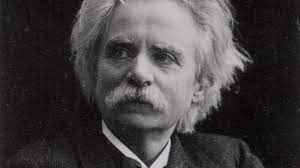
The 5 Main Compositions by Edvard Grieg
Discover the Masterpieces of Norway’s Greatest Romantic Composer
Edvard Grieg (1843–1907) is one of the most celebrated composers of the Romantic era. Known for blending classical traditions with Norwegian folk melodies and landscapes, Grieg created music that remains beloved by audiences around the world. His works are characterized by lyrical beauty, vivid imagery, and emotional depth, making him one of the defining voices of Scandinavian classical music.
Below are five of Grieg’s most important compositions, each representing a different aspect of his remarkable musical legacy.
1. Piano Concerto in A Minor, Op. 16 (1868)
The Piano Concerto in A Minor is undoubtedly Grieg’s most famous orchestral work and one of the greatest piano concertos of the Romantic period. Written when the composer was only 24 years old, it combines brilliant virtuosity with memorable melodies inspired by Norwegian musical traditions.
The concerto opens with one of the most recognizable introductions in classical music: a dramatic flourish from the piano followed by a sweeping orchestral theme. Throughout its three movements, Grieg balances technical brilliance with heartfelt lyricism, allowing both the pianist and orchestra to shine.
Highlights
- One of the most frequently performed piano concertos worldwide.
- Features rich Romantic harmonies and Norwegian folk influences.
- Combines dramatic energy with lyrical elegance.
2. Peer Gynt Suites, Op. 46 & Op. 55 (1875–1891)
Originally composed as incidental music for Henrik Ibsen’s play Peer Gynt, these orchestral suites became Grieg’s most internationally recognized compositions.
The music vividly illustrates the adventures of the play’s protagonist, ranging from peaceful dawn scenes to dramatic moments of fantasy and suspense. Several movements have become staples of concert programs and popular culture.
Famous Movements
- Morning Mood – A peaceful depiction of sunrise.
- Åse’s Death – A moving and deeply emotional funeral march.
- Anitra’s Dance – Graceful and exotic in character.
- In the Hall of the Mountain King – A thrilling crescendo depicting the encounter with mountain trolls.
Why It Matters
The Peer Gynt music demonstrates Grieg’s extraordinary ability to paint vivid musical landscapes and tell compelling stories through orchestral color.
3. Lyric Pieces (1867–1901)
The Lyric Pieces consist of 66 short piano works published across ten volumes over more than three decades. These miniatures are among Grieg’s most personal and poetic creations.
Rather than displaying virtuosic brilliance, these pieces focus on atmosphere, melody, and emotional expression. Many evoke Norwegian nature, folklore, or intimate personal reflections.
Among the most popular are:
- Wedding Day at Troldhaugen
- Arietta
- Butterfly
- To Spring
- Notturno
Musical Characteristics
- Beautiful, singable melodies.
- Accessible yet artistically profound.
- Rich harmonic language with folk-inspired elements.
For pianists, the Lyric Pieces remain essential repertoire, appealing equally to students and professional performers.
4. Holberg Suite, Op. 40 (1884)
Composed to celebrate the bicentenary of playwright Ludvig Holberg, the Holberg Suite is Grieg’s tribute to eighteenth-century Baroque dance forms.
Originally written for piano and later arranged for string orchestra, the suite combines Baroque elegance with Romantic warmth and harmonic richness.
The five movements are:
- Prelude
- Sarabande
- Gavotte
- Air
- Rigaudon
Why It Stands Out
The Holberg Suite demonstrates Grieg’s remarkable ability to merge historical musical styles with his own Romantic voice, creating a work that feels both timeless and distinctly Scandinavian.
5. Violin Sonata No. 3 in C Minor, Op. 45 (1886–1887)
Grieg composed three violin sonatas, but the Third Violin Sonata is generally regarded as the finest of the three.
This mature work presents a perfect balance between violin and piano, avoiding the traditional soloist-accompaniment relationship. Both instruments engage in an expressive musical dialogue filled with passion, lyricism, and rhythmic vitality.
Musical Features
- Strong Norwegian folk influences.
- Rich Romantic harmonies.
- Highly expressive interaction between violin and piano.
- A dramatic and triumphant conclusion.
The sonata remains one of the cornerstones of the Romantic chamber music repertoire.
Grieg’s Lasting Legacy
Edvard Grieg succeeded in creating a unique musical language that combined European Romanticism with the spirit of Norway. His works introduced audiences around the world to the beauty of Scandinavian music while maintaining universal emotional appeal.
More than a century after his death, Grieg’s compositions continue to be performed in concert halls, recorded by leading musicians, and appreciated by listeners of all generations. Whether through the majestic Piano Concerto, the evocative Peer Gynt Suites, the intimate Lyric Pieces, the elegant Holberg Suite, or the passionate Third Violin Sonata, Grieg’s music remains a timeless celebration of melody, nature, and human emotion.
Conclusion
Edvard Grieg’s music represents the very best of the Romantic tradition. His gift for memorable melodies, expressive harmony, and national character has secured his place among history’s greatest composers.
For anyone beginning to explore classical music, these five compositions provide the perfect introduction to Grieg’s extraordinary artistic world and continue to inspire audiences across the globe.
Comments are closed