Introduction
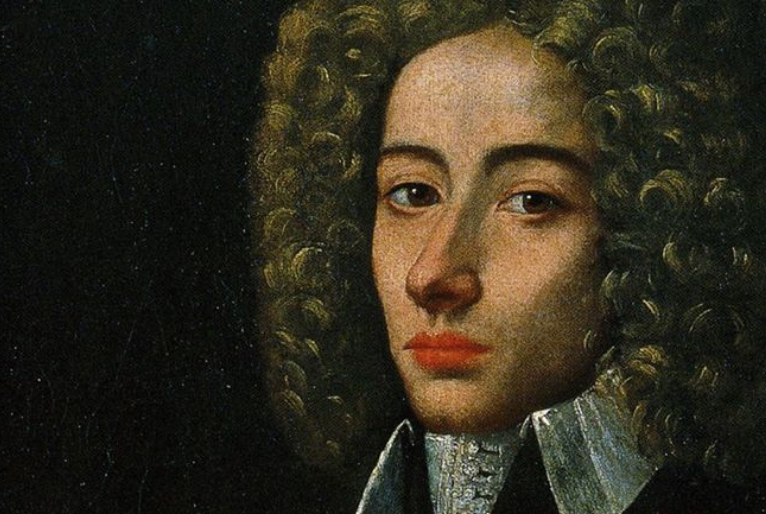
Giovanni Battista Pergolesi was one of the most influential composers of the late Baroque era despite his remarkably short life. Born in the early eighteenth century, he became renowned for his sacred music, operas, and instrumental works. Although he died at only twenty-six years of age, Pergolesi’s compositions had a lasting impact on European music, influencing generations of composers and helping to shape the transition from the Baroque style to the emerging Classical period. His expressive melodies, dramatic sensitivity, and natural gift for vocal writing earned him widespread admiration long after his death.

Childhood
Giovanni Battista Pergolesi was born on January 4, 1710, in the town of Jesi, located in the Marche region of Italy. His family name was actually Draghi, but he became known as Pergolesi because his family originated from the nearby town of Pergola. His father, Francesco Andrea Draghi, worked as a surveyor and estate administrator, providing a modest but stable living for the family.
Pergolesi’s childhood was marked by both promise and hardship. From an early age, he demonstrated remarkable musical talent. However, he also suffered from physical health problems that would remain with him throughout his life. Some historical accounts suggest that he may have experienced complications from childhood illnesses that affected his physical appearance and overall health.
Recognizing his musical gifts, his family ensured that he received formal training. He studied music in Jesi under local teachers who quickly recognized his exceptional abilities. His early education included instruction in violin playing, singing, composition, and counterpoint. These foundational studies prepared him for more advanced musical training in one of Italy’s leading cultural centers.
Youth
At approximately fifteen years of age, Pergolesi moved to Naples, which was then one of Europe’s most important musical capitals. He enrolled at the Conservatorio dei Poveri di Gesù Cristo, a prestigious institution that trained many of Italy’s finest musicians.
During his years at the conservatory, Pergolesi studied under distinguished teachers, including Gaetano Greco, Francesco Durante, and Leonardo Vinci. These mentors helped refine his compositional skills and introduced him to the sophisticated musical traditions of Naples.
Pergolesi distinguished himself as a talented violinist and composer. His student compositions displayed an unusual level of maturity, combining technical mastery with emotional expressiveness. By the time he completed his studies, he had already attracted attention among patrons and musicians who recognized his extraordinary potential.
His graduation composition, a sacred drama, demonstrated his ability to write for both voices and instruments with remarkable effectiveness. This achievement opened the door to professional opportunities in Naples’s vibrant musical environment.
Adulthood
Pergolesi’s professional career began in the early 1730s. He quickly secured patronage from influential aristocratic families, particularly the Colonna Stigliano family. This support enabled him to devote himself to composing operas, sacred works, and instrumental music.
His first major success came with the opera La Salustia, premiered in 1732. Although the production encountered difficulties, it established his reputation as a promising composer. Over the next few years, he composed several operas that displayed his gift for dramatic characterization and lyrical beauty.
Among his most celebrated theatrical works was Lo frate ‘nnamorato, a comic opera that revealed his remarkable ability to depict everyday characters with humor and humanity. The work became popular and helped strengthen the tradition of Italian comic opera.
Pergolesi also composed sacred music of exceptional quality. His religious works combined deep spirituality with emotional intensity, making them highly appealing to performers and audiences alike. He served various ecclesiastical institutions while continuing to compose for public performances.
Despite his growing fame, Pergolesi’s health steadily deteriorated. Tuberculosis, one of the most feared diseases of the eighteenth century, increasingly limited his ability to work. Nevertheless, he continued composing with extraordinary dedication during the final years of his life.
Major Compositions
Pergolesi’s surviving output is relatively small compared to that of many other composers, yet it contains several masterpieces that secured his place in music history.
Stabat Mater
Perhaps his most famous work, Stabat Mater, was composed during the final months of his life. This sacred composition sets a medieval Latin poem describing the sorrow of the Virgin Mary at the crucifixion of Christ. The work combines profound emotional expression with elegant melodic writing and remains one of the most frequently performed sacred compositions of the eighteenth century.
La Serva Padrona
La serva padrona began as a comic intermezzo performed between acts of a larger opera. The work tells the story of a clever servant who successfully manipulates her master into marrying her. Its lively characters, memorable melodies, and comic effectiveness made it enormously popular throughout Europe.
The success of La serva padrona contributed significantly to the development of opera buffa and even sparked aesthetic debates in France known as the Querelle des Bouffons, which contrasted Italian and French operatic traditions.
Lo Frate ‘Nnamorato
This comic opera demonstrated Pergolesi’s skill in portraying realistic characters and situations. Written in the Neapolitan tradition, it showcased his ability to blend humor, emotion, and memorable music.
Salve Regina
Pergolesi composed several settings of the Marian hymn Salve Regina. These works reveal his mastery of sacred vocal writing and his capacity to create deeply moving religious music.
Instrumental Works
Although primarily known for vocal music, Pergolesi also composed instrumental pieces, including violin sonatas, sinfonias, and concert works. These compositions contributed to the evolution of eighteenth-century instrumental style and display the same melodic elegance found in his vocal music.
Death
By 1736, Pergolesi’s tuberculosis had become severe. Seeking a quieter environment and hoping to recover, he retired to a Franciscan monastery in the town of Pozzuoli near Naples.
During this final period of his life, he completed the Stabat Mater, a work that many consider his artistic testament. Despite his physical suffering, he continued to compose with remarkable creativity and emotional depth.
On March 16, 1736, Giovanni Battista Pergolesi died at the age of twenty-six. His death deprived the musical world of one of its most promising talents. Initially buried in Pozzuoli, his remains later became the subject of historical interest as scholars sought to honor his legacy.
Ironically, Pergolesi’s fame grew even greater after his death. Numerous works were mistakenly attributed to him because publishers and audiences eagerly sought music associated with his name. This widespread admiration reflected the extraordinary reputation he achieved in such a brief lifetime.
Conclusion
Giovanni Battista Pergolesi occupies a unique place in the history of Western music. Though his life lasted only twenty-six years, he produced works of lasting beauty that influenced composers across Europe. His sacred masterpieces, particularly Stabat Mater, remain central to the choral repertoire, while La serva padrona helped shape the future of comic opera.
Pergolesi’s music represents a crucial bridge between the grandeur of the Baroque era and the clarity and elegance of the Classical period. His gift for melody, emotional sincerity, and dramatic expression ensured that his works would endure long after his death. Today, he is remembered not only as one of Italy’s finest eighteenth-century composers but also as a symbol of artistic brilliance achieved in a tragically short lifetime.
Comments are closed