Introduction
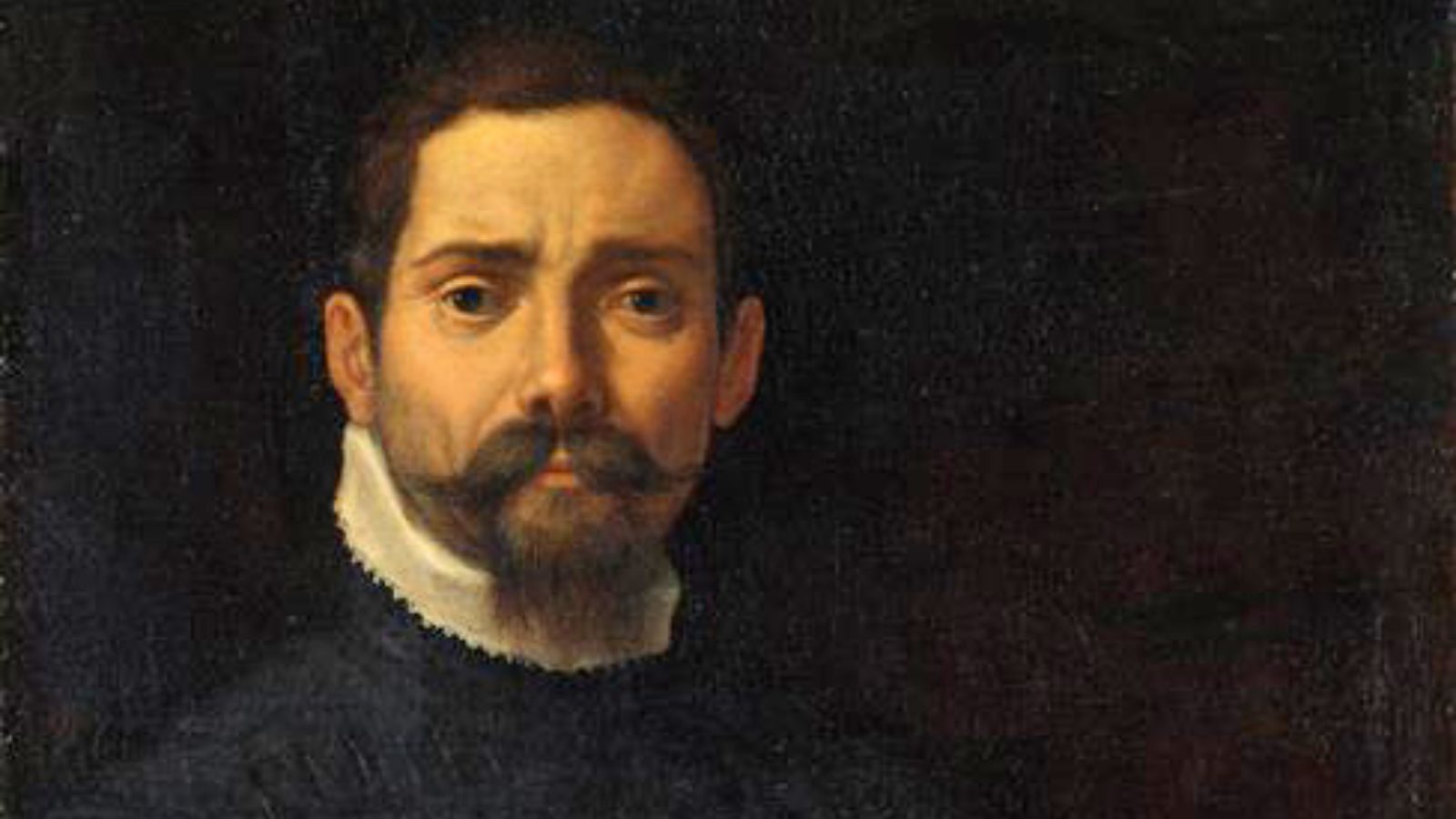
The transition from the Renaissance to the Baroque era was marked by significant musical experimentation and innovation. Among the composers who guided this transformation, Giovanni Gabrieli stands as one of the most important figures. His compositions expanded the possibilities of vocal and instrumental music through the use of multiple choirs, contrasting groups of instruments, and dramatic dynamic effects.
Born into a family of musicians, Gabrieli inherited a rich artistic tradition and developed it into something entirely new. His works became celebrated across Europe, attracting students from Germany and other countries who traveled to Venice to study with him. Through his compositions and teaching, Gabrieli helped shape the future of Western music and established Venice as one of the leading musical centers of the seventeenth century.
Childhood
Giovanni Gabrieli was born around 1554 or 1557 in Venice, Italy. Precise records of his birth have not survived, leaving historians uncertain about the exact year. He grew up in one of Europe’s most prosperous and culturally vibrant cities, a place where art, architecture, and music flourished.
A major influence on his early life was his uncle, Andrea Gabrieli, one of Venice’s most respected composers and organists. Andrea served at St. Mark’s Basilica and was a prominent representative of the Venetian School. Under his uncle’s guidance, Giovanni received a thorough musical education that included composition, keyboard performance, and the study of sacred music.
The young Gabrieli was exposed to the rich ceremonial traditions of Venice from an early age. Religious festivals, civic celebrations, and elaborate church services filled the city with music. These experiences likely inspired his lifelong fascination with large-scale musical effects and grand sonic architecture.
Growing up within a family deeply connected to the musical establishment provided Giovanni with opportunities unavailable to many aspiring composers. His uncle’s mentorship proved invaluable, helping him develop both technical mastery and artistic ambition.
Youth
As a young man, Gabrieli continued his musical studies and broadened his artistic horizons. Like many ambitious Italian musicians of the period, he sought opportunities to learn from leading composers outside Venice.
During the 1570s, Gabrieli traveled to Munich, where he studied with the renowned composer Orlando di Lasso. At the time, Lasso served as Kapellmeister at the court of Duke Albrecht V of Bavaria and was widely regarded as one of Europe’s greatest musicians. Under Lasso’s guidance, Gabrieli gained exposure to international musical styles and advanced compositional techniques.
His years in Munich were formative. The Bavarian court maintained one of the finest musical establishments in Europe, allowing Gabrieli to hear sophisticated vocal and instrumental performances. These experiences expanded his understanding of large-scale composition and reinforced his interest in combining different musical forces.
After completing his studies, Gabrieli returned to Venice equipped with new skills and perspectives. He began establishing himself as both a composer and performer, benefiting from the city’s vibrant artistic environment and the reputation of his family.
Adulthood
Gabrieli’s professional career flourished after his return to Venice. In 1584, he became an organist at St. Mark’s Basilica, one of the most prestigious musical appointments in Europe. Following the death of his uncle Andrea in 1585, Giovanni increasingly assumed a leading role in Venice’s musical life.
St. Mark’s Basilica provided Gabrieli with a unique environment for experimentation. The church’s architecture featured multiple choir lofts and expansive interior spaces. Gabrieli took full advantage of these characteristics by composing music for separated choirs and instrumental groups positioned in different locations throughout the building.
This technique, known as the polychoral style, created dramatic antiphonal effects in which musical phrases passed from one ensemble to another. The result was a rich and spatially dynamic sound unlike anything previously heard.
Gabrieli also served as organist at the Scuola Grande di San Rocco, another important Venetian institution. Holding these prestigious positions allowed him to compose for major religious ceremonies and public celebrations.
One of Gabrieli’s most significant contributions was his pioneering use of instrumental ensembles. While Renaissance music often treated instruments as substitutes for voices, Gabrieli wrote specifically for particular instruments and combinations of instruments. He carefully considered tone color, balance, and contrast, anticipating many characteristics of later orchestral music.
His influence extended beyond Italy through his students. Among the most notable was the German composer Heinrich Schütz, who studied with Gabrieli in Venice and later became one of the leading figures of German Baroque music. Through Schütz and others, Gabrieli’s innovations spread throughout northern Europe.
Despite his success, Gabrieli suffered from health problems during the later years of his life. Nevertheless, he continued composing and teaching, producing some of his finest works even as his physical condition declined.
Major Compositions
Giovanni Gabrieli’s output includes sacred vocal music, instrumental works, and ceremonial compositions. Many of his greatest achievements appear in collections published during his lifetime and shortly after his death.
Sacrae Symphoniae (1597)
This landmark collection represents one of Gabrieli’s greatest accomplishments. It contains motets and instrumental canzonas that showcase his mastery of the polychoral style. The collection demonstrates his innovative use of multiple ensembles and spatial effects, making it one of the most influential publications of the late Renaissance.
Sacrae Symphoniae II (1615)
Published posthumously, this collection contains some of Gabrieli’s most advanced works. The music reveals a growing emphasis on expressive contrast and points toward the emerging Baroque style.
In Ecclesiis
Among Gabrieli’s most famous sacred compositions, In Ecclesiis combines solo voices, choir, brass instruments, and organ. The work exemplifies the grandeur and splendor associated with Venetian sacred music.
Sonata Pian e Forte
This celebrated composition is historically significant because it contains some of the earliest explicit dynamic markings in printed music. Gabrieli carefully indicated passages to be played softly (piano) and loudly (forte), demonstrating an unprecedented concern for dynamic contrast.
Canzon Septimi Toni
One of his finest instrumental works, this composition illustrates Gabrieli’s skill in writing for brass and other instruments. The piece combines contrapuntal sophistication with dramatic sonic effects.
Jubilate Deo
This festive sacred work demonstrates Gabrieli’s mastery of large vocal and instrumental forces. The composition reflects the ceremonial magnificence of Venetian religious celebrations.
O Magnum Mysterium
A more contemplative work, this motet highlights Gabrieli’s ability to balance expressive beauty with technical mastery.
Through these and many other compositions, Gabrieli helped establish the foundations of the Baroque concerto, sonata, and orchestral tradition.
Death
By the early seventeenth century, Gabrieli’s health had begun to deteriorate. Historical accounts suggest that he suffered from kidney-related illnesses, which increasingly limited his activities.
Despite his declining condition, he remained active as a composer and teacher for as long as possible. His reputation continued to grow, and musicians from across Europe sought his guidance and admired his works.
Giovanni Gabrieli died on August 12, 1612, in Venice. He was buried in the city where he had spent most of his life and achieved his greatest successes. His death marked the end of an era for the Venetian School, but his influence continued to resonate throughout Europe.
The publication of additional works after his death ensured that his music would remain accessible to future generations. His students and admirers carried his ideas forward, helping shape the development of Baroque music.
Conclusion
Giovanni Gabrieli occupies a central place in music history as one of the key figures bridging the Renaissance and Baroque eras. Through his imaginative use of multiple choirs, instrumental ensembles, and spatial effects, he expanded the expressive possibilities of composition and performance.
His work at St. Mark’s Basilica transformed the architectural environment into an integral part of the musical experience. By exploiting the acoustics of the building and carefully organizing performers in different locations, he created dramatic sonic landscapes that astonished listeners and inspired future composers.
Gabrieli’s innovations in instrumental writing, dynamic contrast, and large-scale musical structure anticipated many features of Baroque music and modern orchestral practice. His influence reached far beyond Venice through students such as Heinrich Schütz and through the widespread circulation of his published works.
More than four centuries after his death, Giovanni Gabrieli remains celebrated as a visionary composer whose creativity helped reshape Western music. His compositions continue to be performed, studied, and admired for their grandeur, brilliance, and enduring artistic significance.
Comments are closed