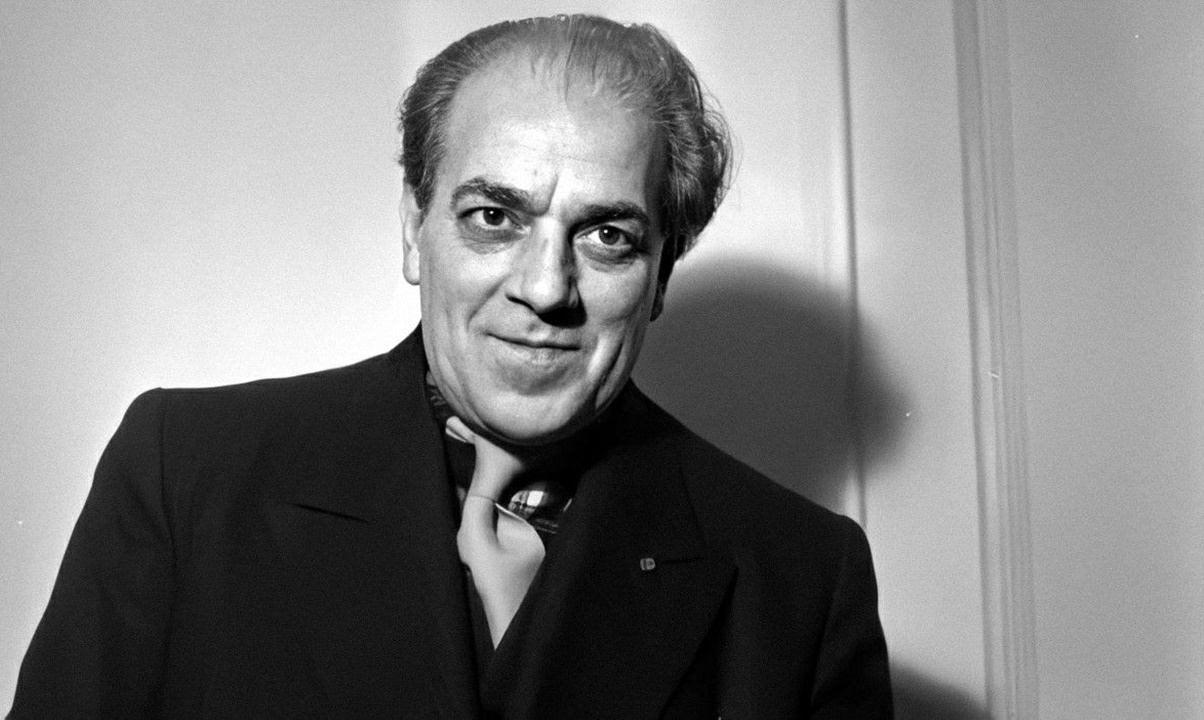
Introduction
Heitor Villa-Lobos stands as one of the most important and influential composers in the history of classical music. Widely regarded as Brazil’s greatest composer, he succeeded in creating a unique musical language that combined European classical traditions with the rhythms, melodies, and cultural influences of his native country. His innovative works brought Brazilian music to international audiences and helped establish a distinctive national identity within the world of classical composition.
Throughout his life, Villa-Lobos composed an enormous body of work that included symphonies, concertos, chamber music, operas, choral works, piano pieces, and guitar compositions. His creativity, originality, and dedication to musical education transformed the cultural landscape of Brazil and secured his place among the most significant composers of the twentieth century.
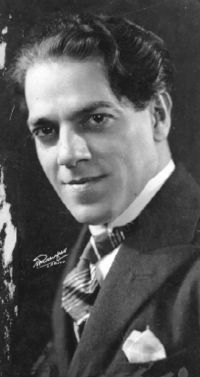
Childhood
Heitor Villa-Lobos was born on March 5, 1887, in Rio de Janeiro, Brazil. He was the son of Raul Villa-Lobos, a librarian, amateur musician, and educator, and Noêmia Santos Monteiro Villa-Lobos. Music was an important part of his family environment, and his father introduced him to various instruments and musical concepts from an early age.
As a child, Villa-Lobos showed a natural curiosity about music. His father taught him to play the cello, an instrument that would remain close to him throughout his life. He also became familiar with the clarinet and other instruments while developing an understanding of harmony and musical structure.
The death of his father in 1899 deeply affected the family. Despite financial difficulties, the young Villa-Lobos continued to pursue music. Rather than following a strictly academic path, he explored the streets of Rio de Janeiro, where he encountered popular musicians known as “chorões.” These musicians performed choro, a uniquely Brazilian style that blended European dance forms with African influences. The experience would leave a lasting mark on his musical imagination.
Youth
During his teenage years, Villa-Lobos became increasingly independent and adventurous. He often traveled through different regions of Brazil, either alone or with small groups of musicians. Although some details of these journeys remain difficult to verify, it is clear that he was exposed to a wide variety of folk traditions, indigenous music, regional songs, and popular dances.
These experiences broadened his understanding of Brazil’s cultural diversity. Rather than relying solely on formal musical education, Villa-Lobos learned directly from performers, local traditions, and the sounds of everyday life. This unconventional education helped shape the originality that later distinguished his compositions.
By the early twentieth century, he had begun composing seriously. His early works reflected both European influences and Brazilian musical elements. During this period, he supported himself through performances as a cellist and guitarist while steadily building his reputation as a composer.
In 1913, he married pianist Lucília Guimarães, who became an important supporter of his early career. Together they promoted his compositions and organized performances that introduced audiences to his emerging musical voice.
Adulthood
Villa-Lobos’s career gained momentum during the 1910s and 1920s. He organized concerts featuring his own works, many of which challenged traditional musical expectations. While some critics initially viewed his compositions as unconventional or even radical, others recognized the originality and energy of his music.
A major turning point came in 1922 when he participated in the Week of Modern Art in São Paulo. This landmark cultural event helped launch Brazilian modernism and established Villa-Lobos as one of its leading musical figures. His compositions demonstrated that Brazilian music could develop its own artistic identity rather than merely imitate European models.
In 1923, Villa-Lobos traveled to Paris, then one of the world’s leading cultural centers. There he met prominent artists, composers, and intellectuals. European audiences were fascinated by the distinctly Brazilian character of his music. His years in Paris significantly increased his international reputation and provided opportunities for performances and collaborations.
Throughout the 1930s and 1940s, Villa-Lobos became deeply involved in music education. Working with the Brazilian government, he developed programs designed to promote music instruction in schools. He organized massive choral events involving thousands of students and advocated for music as a tool for cultural development and national unity.
His educational efforts reached millions of Brazilians and had a lasting influence on the country’s musical culture. At the same time, he continued composing at an extraordinary pace, producing works that demonstrated remarkable variety and imagination.
During the later decades of his life, Villa-Lobos traveled extensively throughout Europe, North America, and South America. He conducted orchestras, promoted Brazilian music abroad, and received commissions from major institutions. By the 1950s, he was recognized internationally as one of the leading composers of his generation.
Major Compositions
Villa-Lobos composed more than two thousand works during his lifetime. His output covered nearly every major musical genre and reflected a unique synthesis of Brazilian and international influences.
Among his most celebrated achievements are the Bachianas Brasileiras, a series of nine compositions that combine elements inspired by Johann Sebastian Bach with Brazilian musical traditions. The most famous, Bachianas Brasileiras No. 5, written for soprano and cellos, remains one of the most frequently performed works in Latin American classical music.
Another important series is the Chôros, a collection of compositions inspired by the urban popular music of Brazil. These works range from solo instrumental pieces to large-scale orchestral compositions and demonstrate Villa-Lobos’s extraordinary creativity and experimentation.
His guitar music occupies a special place in the instrument’s repertoire. Works such as the Twelve Études, Five Preludes, and Guitar Concerto are considered masterpieces and are regularly performed by leading guitarists around the world.
Villa-Lobos also composed twelve symphonies, numerous string quartets, piano works, concertos, operas, ballets, and choral pieces. His seventeen string quartets are particularly admired for their sophistication and originality and are often compared to the quartet cycles of other major twentieth-century composers.
His music frequently incorporates Brazilian rhythms, folk melodies, indigenous influences, and natural sounds while maintaining a highly personal compositional style. This combination helped create a musical language unlike any other in classical music.
Death
In his later years, Villa-Lobos continued to compose, conduct, and travel despite declining health. He remained active almost until the end of his life, working on new projects and maintaining a demanding schedule.
He died on November 17, 1959, in Rio de Janeiro at the age of seventy-two. His death marked the end of an extraordinary career that had transformed Brazilian music and earned worldwide recognition.
The loss was deeply felt both in Brazil and internationally. Musicians, critics, and cultural leaders recognized that the world had lost one of the twentieth century’s most original creative voices.
Conclusion
Heitor Villa-Lobos remains a towering figure in classical music history. Through his innovative compositions, educational initiatives, and dedication to Brazilian culture, he created a lasting legacy that continues to inspire musicians and audiences around the world.
His ability to blend European classical traditions with the rich musical heritage of Brazil resulted in a body of work that is both deeply national and universally admired. More than six decades after his death, his music continues to be performed in concert halls, educational institutions, and festivals across the globe.
Villa-Lobos demonstrated that a composer could honor local traditions while achieving international significance. His achievements not only elevated Brazilian music to global prominence but also expanded the possibilities of classical composition itself. Today, he is remembered as a visionary artist whose contributions remain essential to the understanding of twentieth-century music.
Comments are closed