Introduction
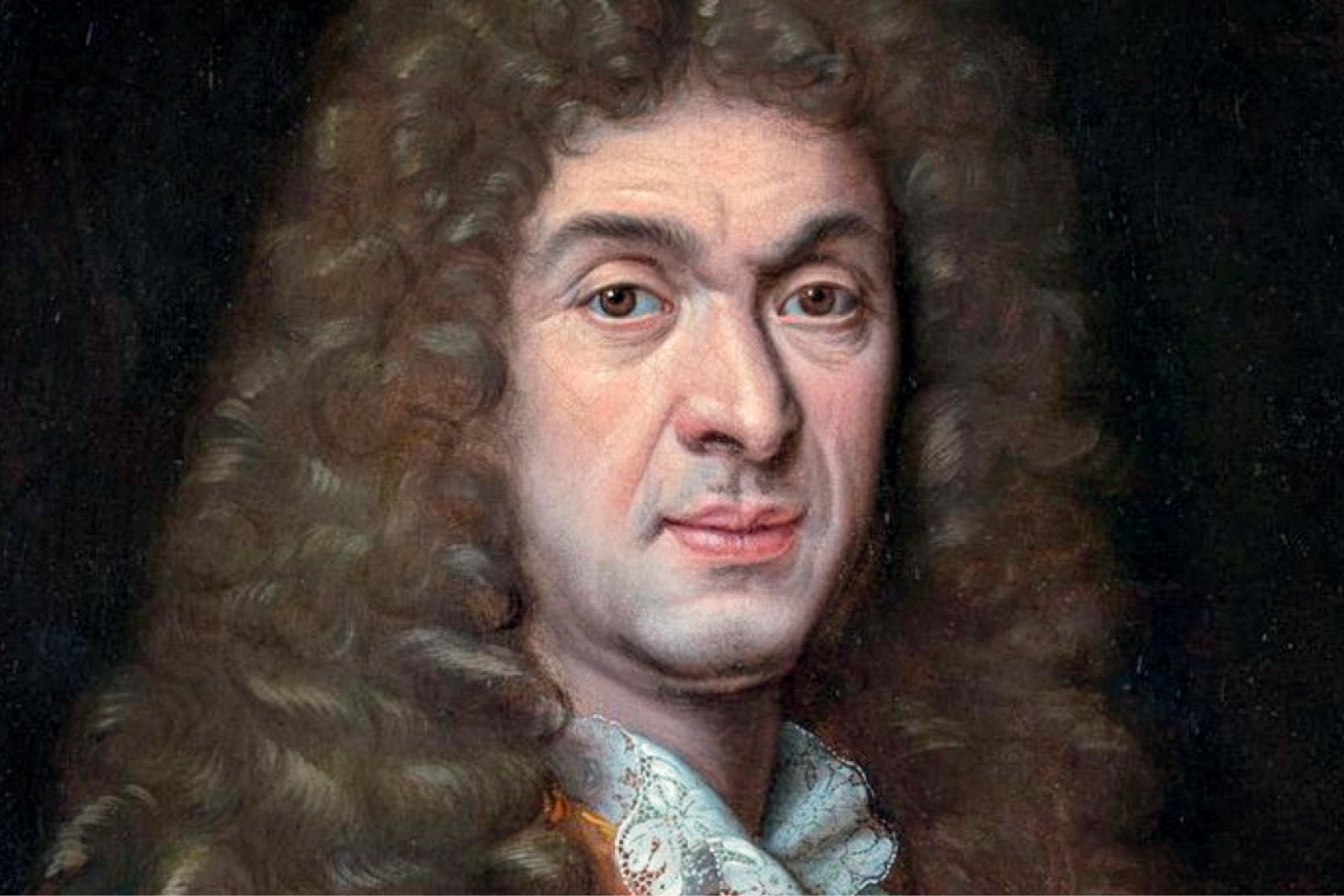
Jean-Baptiste Lully was one of the most influential composers of the Baroque era and a central figure in the development of French music during the seventeenth century. Born in Italy but achieving fame in France, Lully transformed the musical culture of the court of King Louis XIV and established many of the traditions that would define French opera and ballet for generations. His innovative compositions, mastery of orchestral writing, and close relationship with the French monarchy helped elevate music to an unprecedented level of prestige within the royal court.
Today, Lully is remembered as the founder of French opera and as a composer whose works shaped the direction of European music. His legacy extends far beyond his lifetime, influencing composers across France and throughout the continent.

Childhood
Jean-Baptiste Lully was born Giovanni Battista Lulli on November 28, 1632, in the city of Florence. Florence was one of the cultural centers of Italy and had already played a major role in the birth of opera. Although his family was not wealthy, young Giovanni grew up in an environment rich in artistic traditions.
His father, Lorenzo Lulli, worked as a miller and was not directly involved in music. Nevertheless, Giovanni displayed remarkable musical talent at an early age. He learned to play the guitar, violin, and several other instruments while also developing an interest in singing and composition.
Unlike many prominent musicians of the period, Lully did not receive a formal conservatory education. Much of his early musical knowledge came through practical experience and self-directed study. His natural abilities quickly distinguished him from his peers.
A significant turning point came in 1646 when he was selected to accompany a French nobleman returning to France. At only fourteen years old, he left Italy for what would become his permanent home.
Youth
Upon arriving in France, Lully entered the household of Anne Marie Louise d’Orléans, known as La Grande Mademoiselle, a cousin of King Louis XIV. Initially employed as a servant, he soon gained attention for his musical talents.
During his years in the French court environment, Lully immersed himself in French language, culture, and music. He adapted quickly, learning the artistic tastes of the French aristocracy while maintaining elements of his Italian musical background.
His exceptional skill as a violinist and composer allowed him to rise rapidly. By the early 1650s, he had begun composing music for court entertainments and dances. His talent eventually brought him to the attention of the young King Louis XIV, who shared a strong passion for dance and frequently performed in court ballets.
The relationship between Lully and the king would become one of the most important partnerships in the history of French music. The monarch admired Lully’s creativity and energy, providing opportunities that accelerated the composer’s rise to prominence.
In 1661, Lully became a naturalized French citizen and officially adopted the name Jean-Baptiste Lully. The same year marked the beginning of a new chapter in his life as he secured important royal appointments.
Adulthood
Lully’s adult career coincided with the height of Louis XIV’s reign. The king sought to make France the leading cultural power in Europe, and music played a vital role in this vision. Lully became one of the monarch’s most trusted artistic collaborators.
In 1661, he was appointed Superintendent of the King’s Music, a prestigious position that gave him considerable influence over musical activities at court. Over the following decades, he transformed the standards of performance and composition in France.
One of Lully’s most successful collaborations was with playwright Molière. Together they created a series of comédies-ballets, combining spoken drama, music, and dance. These productions were immensely popular and helped establish a uniquely French style of theatrical entertainment.
Lully also reorganized royal orchestras and introduced stricter standards of discipline and performance. His ensemble, known as the “Petits Violons,” became famous for its precision and expressive power.
In 1672, Lully obtained exclusive rights to produce opera in France through the Académie Royale de Musique. This monopoly allowed him to dominate French operatic life. He subsequently developed a new operatic genre known as tragédie en musique, which combined classical themes, elaborate staging, ballet, and expressive music.
His operas reflected French tastes while incorporating dramatic innovations. They emphasized clarity of language, elegant melodies, and strong connections between music and drama. Through these works, Lully effectively created a national operatic tradition distinct from Italian opera.
Throughout his career, he enjoyed immense wealth, influence, and royal favor. However, he was also known for his ambitious and sometimes authoritarian personality. Despite occasional controversies, his position at court remained secure for most of his life.
Major Compositions
Jean-Baptiste Lully produced an extensive body of work that helped define the French Baroque style. Among his most important compositions are:
Atys (1676)
Often called “the King’s Opera,” Atys was particularly admired by Louis XIV. The work demonstrates Lully’s mastery of dramatic expression and orchestral color.
Armide (1686)
Considered one of his greatest masterpieces, Armide combines emotional depth with sophisticated musical writing. The opera remains one of the most frequently performed of Lully’s works.
Cadmus et Hermione (1673)
This was Lully’s first major tragédie en musique and established the model that future French operas would follow.
Alceste (1674)
A successful opera based on classical mythology, Alceste further developed the dramatic techniques introduced in his earlier works.
Thésée (1675)
This opera showcased Lully’s growing confidence as a dramatist and his ability to integrate music with theatrical action.
Persée (1682)
Written during the height of his career, Persée features grand choruses, elaborate orchestration, and spectacular stage effects.
Isis (1677)
Although controversial because of perceived political symbolism, Isis remains an important example of Lully’s operatic craftsmanship.
Ballet Royal de la Nuit (1653)
This court ballet helped establish Louis XIV’s image as the “Sun King” and contributed significantly to Lully’s rise at court.
Le Bourgeois Gentilhomme (1670)
Created with Molière, this comédie-ballet remains one of the most celebrated collaborations between music and theater in French cultural history.
Te Deum (1677)
Among his most famous sacred works, the Te Deum demonstrates Lully’s skill in large-scale ceremonial music and remains a landmark of French sacred composition.
Death
The circumstances surrounding Lully’s death are among the most famous stories in music history.
In January 1687, while conducting a performance of his Te Deum in honor of King Louis XIV’s recovery from illness, Lully accidentally struck his foot with the long staff used by conductors of the period. Conductors at the time commonly beat a heavy staff against the floor to maintain rhythm.
The injury initially seemed minor, but the wound became infected and developed into gangrene. Physicians recommended amputation of the affected leg, but Lully refused, fearing that the procedure would prevent him from dancing, one of his favorite activities.
As the infection spread, his condition worsened. Despite medical efforts, he died on March 22, 1687, in Paris at the age of fifty-four.
His death shocked the French musical community and marked the end of an era. Few composers had exercised such profound influence over the artistic life of a nation.
Conclusion
Jean-Baptiste Lully stands as one of the most important composers in the history of Western music. Through his work at the court of Louis XIV, he transformed French musical culture and established standards that would shape opera, ballet, and orchestral performance for generations.
His fusion of Italian musical training with French artistic ideals created a distinctive national style that became a model throughout Europe. As the founder of French opera and a pioneer of Baroque musical drama, Lully left a legacy that continued to inspire composers long after his death.
Today, his operas, ballets, and sacred works remain valuable examples of Baroque artistry. More than three centuries after his passing, Jean-Baptiste Lully is still recognized as one of the architects of France’s rich musical heritage and one of the defining figures of the Baroque age.
Comments are closed