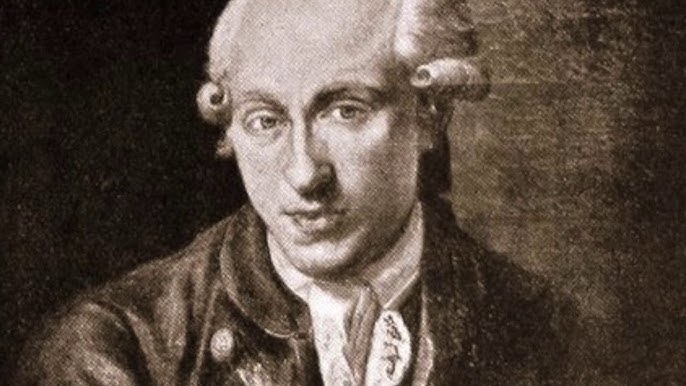
Johann Gottfried Walther was one of the most important German musicians and music theorists of the Baroque era. Best remembered as an organist, composer, lexicographer, and cousin of Johann Sebastian Bach, Walther played a significant role in preserving and documenting the musical knowledge of his time. His contributions extended beyond composition, as he became one of the earliest and most influential music scholars in Germany. Through his organ works, educational writings, and pioneering musical dictionary, Walther left a lasting impact on the development of Western classical music.
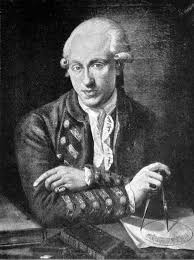
Introduction
The Baroque period produced many remarkable composers, but few combined practical musicianship and scholarly achievement as effectively as Johann Gottfried Walther. Born in the late seventeenth century, he lived during a time when German music was flourishing through the contributions of composers, organists, and theorists. While his cousin Johann Sebastian Bach eventually achieved greater fame, Walther earned considerable respect during his lifetime for his expertise as an organist and teacher.
Walther’s greatest legacy lies in his ability to bridge performance and scholarship. His compositions demonstrated mastery of the organ tradition, while his writings helped preserve valuable information about musicians, instruments, and musical practices. His work remains an important source for historians seeking to understand the musical culture of the Baroque era.
Childhood
Johann Gottfried Walther was born on September 18, 1684, in Erfurt, a historic city in the German state of Thuringia. Music was deeply embedded in his family life. The Walther family included numerous musicians, and young Johann grew up in an environment where musical education was highly valued.
From an early age, he displayed exceptional talent. His first musical instruction came from family members, particularly his uncle Johann Bernhard Walther, who recognized the boy’s abilities and encouraged his development. Under family guidance, Johann learned keyboard performance, music theory, and the fundamentals of composition.
Erfurt was an important cultural and religious center, offering opportunities for aspiring musicians. The city’s churches maintained active musical programs, allowing Walther to hear accomplished performers and gain practical exposure to sacred music. These experiences laid the foundation for his future career as both a performer and scholar.
Youth
As a teenager, Walther pursued more advanced musical studies. He became largely self-taught in many areas, demonstrating remarkable intellectual curiosity and discipline. He studied theoretical treatises, copied music manuscripts, and analyzed the works of prominent composers.
During his youth, he became particularly interested in organ music. The organ held a central place in German Lutheran worship, and mastery of the instrument represented one of the highest achievements available to a musician. Walther immersed himself in the study of organ technique, counterpoint, and improvisation.
His reputation grew steadily, and he attracted attention as a talented keyboard player. Like many ambitious young musicians of the period, he sought opportunities to expand his knowledge through contact with experienced performers and composers. These years of intensive study shaped the skills that would later define his career.
Walther also developed a lifelong passion for collecting musical information. He gathered books, manuscripts, and theoretical materials, creating a personal library that would become an invaluable resource for his scholarly work.
Adulthood
In 1707, Walther secured a prestigious appointment as organist at the Church of St. Peter and St. Paul in Weimar. This position provided financial stability and artistic opportunities, allowing him to focus on both performance and composition.
Weimar was an important cultural center, and Walther became a respected figure within its musical community. His duties included performing organ music during church services, composing works for religious occasions, and teaching students. He remained associated with Weimar for most of his professional life.
One of the most notable aspects of Walther’s adulthood was his relationship with Johann Sebastian Bach. The two men were cousins and maintained a close professional connection. Both shared interests in organ music, counterpoint, and musical scholarship. Although Bach eventually became the more celebrated composer, Walther was highly respected among contemporaries and contributed significantly to the same musical traditions.
In addition to his work as a performer, Walther established himself as an educator. He taught numerous students and helped shape the next generation of German musicians. His teaching reflected his deep understanding of both practical performance and theoretical principles.
Walther’s scholarly achievements reached their peak with the publication of his Musicalisches Lexicon in 1732. This groundbreaking work became the first comprehensive musical dictionary written in the German language. It contained definitions of musical terms, biographical information about composers, and discussions of instruments and theoretical concepts. The lexicon remains an invaluable source for researchers studying Baroque music.
Throughout his career, Walther continued composing, performing, teaching, and writing. His intellectual breadth distinguished him from many of his contemporaries and secured his reputation as one of Germany’s leading musical scholars.
Major Compositions
Although Walther’s scholarly achievements often receive the most attention, he was also a prolific composer. Most of his surviving works focus on keyboard and organ music.
Among his most important contributions are his organ chorale preludes. These compositions elaborate on Lutheran hymn melodies and demonstrate sophisticated contrapuntal techniques. They reflect the rich tradition of German sacred organ music that flourished during the Baroque era.
Walther also composed numerous organ fugues and variations. These works showcase his mastery of counterpoint and reveal stylistic connections to the broader German organ tradition represented by composers such as Johann Pachelbel, Dieterich Buxtehude, and Johann Sebastian Bach.
Another significant aspect of his output consists of keyboard transcriptions. Inspired by the growing popularity of Italian instrumental music, Walther arranged concertos by composers such as Antonio Vivaldi and Tomaso Albinoni for solo organ. These transcriptions helped introduce German audiences to contemporary Italian styles and expanded the organ repertoire.
His surviving catalog includes:
- Chorale preludes for organ
- Organ fugues
- Variations on chorale melodies
- Keyboard arrangements of Italian concertos
- Liturgical organ works
- Pedagogical compositions for students
Although many of his compositions are not performed as frequently as those of Bach, they remain valuable examples of late German Baroque keyboard music.
Death
During his later years, Walther continued serving as organist and pursuing scholarly interests despite facing financial difficulties and changing musical tastes. The transition toward the emerging Classical style gradually reduced interest in some Baroque traditions, but Walther remained committed to the musical principles he had spent his life cultivating.
Johann Gottfried Walther died on March 23, 1748, in Weimar at the age of sixty-three. His death marked the end of a distinguished career that had combined artistic excellence with intellectual achievement.
He was buried in Weimar, the city that had been his professional home for more than four decades. Although his passing received less attention than that of some of his contemporaries, his influence continued through his students, compositions, and writings.
Conclusion
Johann Gottfried Walther occupies a unique position in the history of Western music. As an organist, he contributed significantly to the German Baroque tradition through his chorale preludes, fugues, and keyboard arrangements. As a teacher, he helped transmit musical knowledge to future generations. As a scholar, he created one of the most important reference works of the eighteenth century.
His Musicalisches Lexicon established him as a pioneer of musicology, while his compositions reveal a musician of considerable skill and creativity. Though often overshadowed by his cousin Johann Sebastian Bach, Walther deserves recognition as one of the leading musical figures of his era.
Today, historians, performers, and scholars continue to value his contributions. His life demonstrates how performance, education, composition, and scholarship can work together to preserve and advance musical culture. Through both his music and his writings, Johann Gottfried Walther remains an essential figure in the rich legacy of the German Baroque tradition.
Comments are closed