Introduction
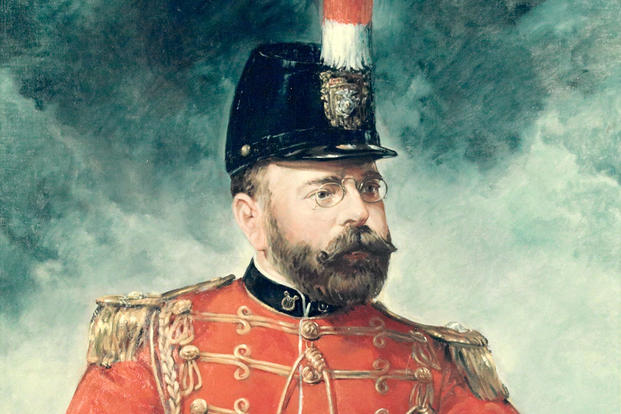
John Philip Sousa stands as one of the most influential figures in American music history. Known as “The March King,” he transformed the military march into a sophisticated and distinctly American musical form. His compositions became synonymous with patriotism, national pride, and public celebration. Through his work as a composer, conductor, and bandleader, Sousa elevated the concert band to unprecedented levels of popularity both in the United States and abroad.
Born during a period of profound change in American society, Sousa witnessed the nation emerge from the Civil War and grow into a global power. His music accompanied this transformation, providing the soundtrack for parades, ceremonies, and public events for decades. Today, many of his marches remain among the most recognizable pieces of American music ever written.
Childhood
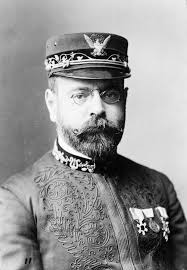
John Philip Sousa was born on November 6, 1854, in Washington, D.C. His father, John Antonio Sousa, was a trombonist in the United States Marine Band. His mother, Maria Elisabeth Trinkhaus Sousa, came from a German family and encouraged musical development within the household.
Growing up in the nation’s capital, Sousa was exposed to military and ceremonial music from an early age. The Marine Band frequently performed at government events, and young John often accompanied his father to rehearsals and performances. These experiences sparked a fascination with music that would shape the course of his life.
As a child, Sousa demonstrated remarkable musical talent. He studied violin, piano, music theory, and composition while attending local schools. His interest in music expanded rapidly, and he soon became proficient on multiple instruments. The cultural diversity of Washington, D.C., combined with his Portuguese and German heritage, contributed to a broad musical outlook.
One famous story from his youth tells of his desire to join a circus band as a teenager. Concerned about this ambition, his father enlisted him as an apprentice musician in the United States Marine Band at the age of thirteen. What initially appeared to be a disciplinary measure ultimately launched one of the most celebrated careers in American music.
Youth
Sousa’s apprenticeship with the Marine Band proved invaluable. During this period, he received rigorous musical training and gained practical experience performing in a professional ensemble. He learned orchestration, conducting, and advanced instrumental techniques while developing a strong understanding of military music traditions.
In addition to his duties with the Marine Band, Sousa pursued violin studies and performed in local orchestras and theater productions. Washington’s vibrant entertainment scene offered numerous opportunities for young musicians, allowing him to expand his repertoire beyond military music.
By his late teens and early twenties, Sousa had become an accomplished violinist and conductor. He worked with traveling theatrical companies and composed music for stage productions. These experiences introduced him to a wide range of musical styles, including operetta, popular songs, and orchestral works.
During this period, Sousa began developing his skills as a composer. Although his earliest works did not immediately bring widespread recognition, they demonstrated a growing mastery of melody, harmony, and orchestration. His ability to write memorable tunes would later become one of his defining characteristics.
Adulthood
Sousa’s professional breakthrough came in 1880 when he was appointed the seventeenth leader of the United States Marine Band. At only twenty-five years old, he inherited one of America’s most prestigious musical organizations.
As director, Sousa transformed the Marine Band into a world-class ensemble. He expanded its repertoire, improved performance standards, and introduced innovative programming. Under his leadership, the band gained national prominence and became known as “The President’s Own.”
During his twelve-year tenure with the Marine Band, Sousa composed many of the marches that established his reputation. His music combined military precision with memorable melodies, appealing to both professional musicians and the general public.
In 1892, Sousa resigned from the Marine Band to establish his own professional ensemble, the Sousa Band. This decision marked the beginning of the most successful phase of his career. The Sousa Band toured extensively throughout the United States, Europe, and other parts of the world.
The ensemble became renowned for its exceptional musicianship and diverse programming. Sousa introduced audiences to classical masterpieces, contemporary works, and his own compositions. At a time when radio and recorded music were still in their infancy, these tours brought high-quality musical performances to millions of people.
Sousa was also an advocate for American composers and musicians. He encouraged the development of native musical traditions and believed that American music should reflect the character and aspirations of the nation.
Beyond music, Sousa was a prolific writer. He authored novels, articles, and essays on musical subjects. He expressed strong opinions regarding copyright issues and the impact of emerging recording technologies on live performance.
Throughout his career, Sousa received numerous honors and awards. He became one of the most recognized musicians in the world and a symbol of American cultural achievement.
Major Compositions
John Philip Sousa composed more than 130 marches, along with operettas, suites, songs, and orchestral works. Several of his compositions have achieved enduring fame.
The Washington Post (1889)
Commissioned by a Washington newspaper, this march quickly became one of Sousa’s earliest major successes. Its lively rhythm and memorable melodies made it popular both in America and abroad.
Semper Fidelis (1888)
Often considered the official march of the United States Marine Corps, “Semper Fidelis” remains one of Sousa’s most respected compositions. The title means “Always Faithful,” reflecting the Marine Corps motto.
The Liberty Bell (1893)
This march gained renewed popularity in the twentieth century when its opening theme was used for the television comedy series Monty Python’s Flying Circus. It remains a favorite concert piece.
El Capitan (1896)
Originally written as part of an operetta, the march from El Capitan became one of Sousa’s most celebrated works and demonstrated his ability to blend theatrical and military musical traditions.
Hands Across the Sea (1899)
Written as a gesture of international friendship, this march reflects Sousa’s belief in goodwill among nations and remains a staple of band literature.
The Stars and Stripes Forever (1896)
Widely regarded as Sousa’s masterpiece, this march has become an enduring symbol of the United States. Featuring one of the most famous piccolo solos in musical history, it was officially designated as the National March of the United States in 1987.
King Cotton (1895)
Inspired by a visit to the American South, this march reflects regional influences and showcases Sousa’s gift for colorful musical storytelling.
Manhattan Beach (1893)
Named after a popular New York resort, this march captures the energy and optimism of late nineteenth-century America.
Although marches dominate his legacy, Sousa also composed operettas such as El Capitan, The Bride-Elect, and The Charlatan. These works enjoyed considerable success during his lifetime and demonstrated his versatility as a composer.
Death
In his later years, Sousa remained remarkably active. Even into his seventies, he continued conducting concerts, composing music, and making public appearances. His dedication to music never diminished.
On March 6, 1932, Sousa was in Reading, Pennsylvania, preparing for a rehearsal with the Ringgold Band. Despite his age, he maintained a demanding schedule and continued to inspire musicians across the country.
Later that evening, John Philip Sousa died of heart failure at the age of seventy-seven. His passing marked the end of an extraordinary musical career that had spanned more than six decades.
Following his death, tributes poured in from around the world. Military organizations, professional musicians, public officials, and ordinary citizens mourned the loss of a composer whose music had become an integral part of American life.
Sousa was buried in Washington, D.C., the city where he had been born and where his remarkable journey had begun.
Conclusion
John Philip Sousa occupies a unique place in American cultural history. Through his compositions, conducting, and leadership, he elevated the concert band to an art form of national significance. His marches captured the spirit of an expanding nation and became enduring symbols of American identity.
More than ninety years after his death, Sousa’s music continues to be performed by military bands, school ensembles, community groups, and professional orchestras around the world. Works such as The Stars and Stripes Forever, Semper Fidelis, and The Washington Post remain instantly recognizable and continue to inspire audiences of all ages.
His influence extends beyond the realm of military music. Sousa helped establish a distinctly American musical voice and demonstrated the power of music to unite communities, celebrate national achievements, and preserve cultural traditions. As “The March King,” he left a legacy that remains unmatched in the history of band music and secured his place among the most important composers America has ever produced.
Comments are closed