Introduction
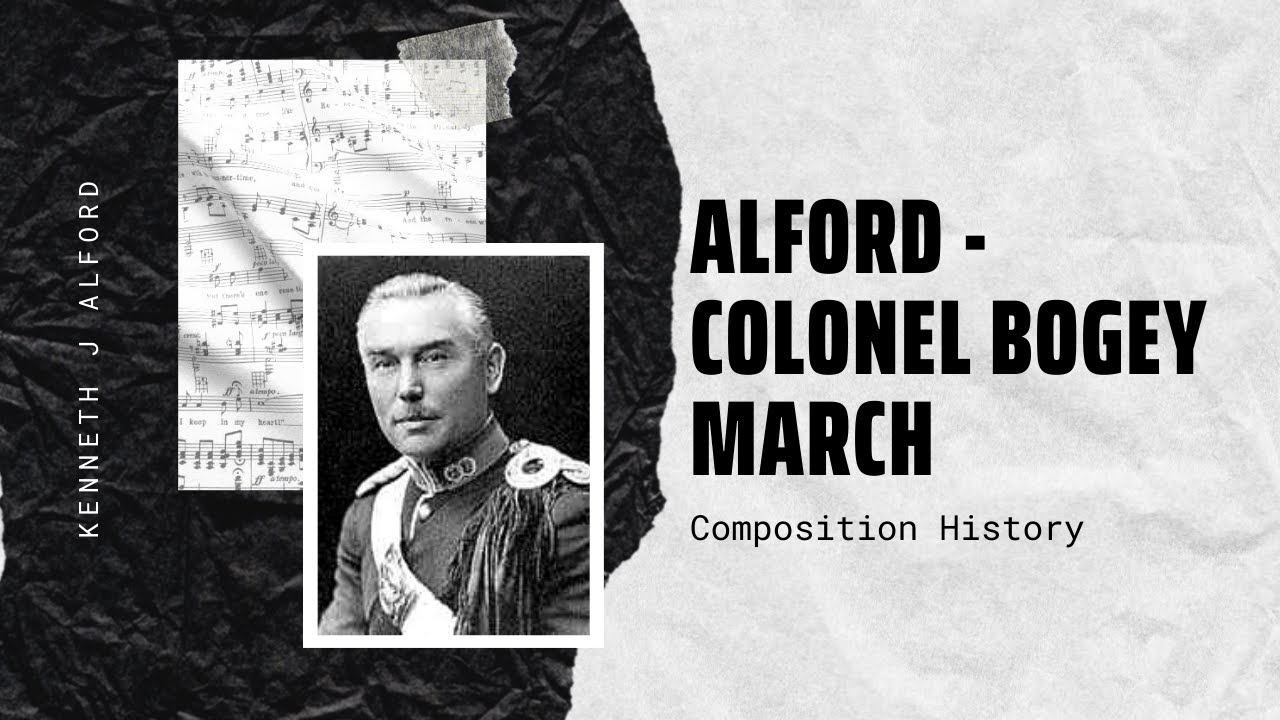
Kenneth J. Alford is remembered as one of the greatest composers of military marches in history. Often referred to as “The British March King,” he created some of the most enduring and recognizable marches ever written for military and concert bands. Although the name Kenneth J. Alford became famous throughout the world, it was actually a pseudonym used by Frederick Joseph Ricketts, a distinguished British military musician, bandmaster, and composer.
His marches combined strong melodies, brilliant orchestration, and a deep understanding of military band traditions. Works such as Colonel Bogey, The Great Little Army, and On the Quarter Deck remain staples of military and concert band repertoires. Through his compositions, Alford helped shape the sound of twentieth-century military music and left a lasting influence on band music worldwide.
Childhood
Frederick Joseph Ricketts was born on February 21, 1881, in Ratcliff, a district in London’s East End, England. He was the fourth child of Robert and Louisa Ricketts. His father worked as a coal merchant, and the family lived in modest circumstances.
From an early age, Ricketts demonstrated an exceptional interest in music. He learned to play the piano and organ and sang as a chorister in his local church. Growing up in London exposed him to a variety of musical influences, including church music, street musicians, military bands, and Salvation Army ensembles.
His childhood was marked by hardship. His father died when Frederick was still a young boy, and his mother passed away when he was only fourteen years old. These losses forced him to mature quickly and seek a practical path for his future. Music became both a passion and a means of advancement.
Inspired by the military bands he heard throughout London, he decided that a career as a military musician would provide both stability and an opportunity to develop his musical talents.
Youth
At the age of fourteen, Ricketts enlisted as a bandsman in the Royal Irish Regiment. This decision marked the beginning of a military career that would last nearly fifty years.
During his early years in the regiment, he studied various instruments and developed a reputation as a talented musician. He became particularly skilled on the cornet and also continued his studies in piano and organ performance. His natural ability soon attracted the attention of senior military musicians.
Service with the Royal Irish Regiment took him to several locations, including India, where he gained valuable experience performing in military bands. During this period, he expanded his knowledge of instrumentation, conducting, and composition.
Recognizing his exceptional promise, military authorities sent him to the Royal Military School of Music at Kneller Hall in 1904. Kneller Hall was the premier institution for training British military musicians and bandmasters. There he received advanced instruction in harmony, counterpoint, orchestration, conducting, and composition.
His education at Kneller Hall transformed him from a talented performer into a highly skilled professional musician capable of leading major military ensembles.
Adulthood
After graduating from Kneller Hall, Ricketts quickly advanced through the ranks of military music. In 1908, he became bandmaster of the Argyll and Sutherland Highlanders, one of Britain’s most prestigious regiments.
It was during this period that he began composing the marches that would make him famous. Because British Army regulations discouraged officers and bandmasters from engaging in outside professional activities, he adopted the pseudonym “Kenneth J. Alford.” The surname came from his mother’s maiden name.
Throughout the following decades, Alford composed a remarkable series of marches characterized by memorable melodies, inventive counter-melodies, and masterful orchestration. His works became immensely popular not only in Britain but also throughout the Commonwealth and beyond.
One of his most important contributions to military band music was his innovative use of the saxophone. At a time when the instrument was not universally accepted in military ensembles, Alford demonstrated its effectiveness and helped secure its permanent place in British military bands.
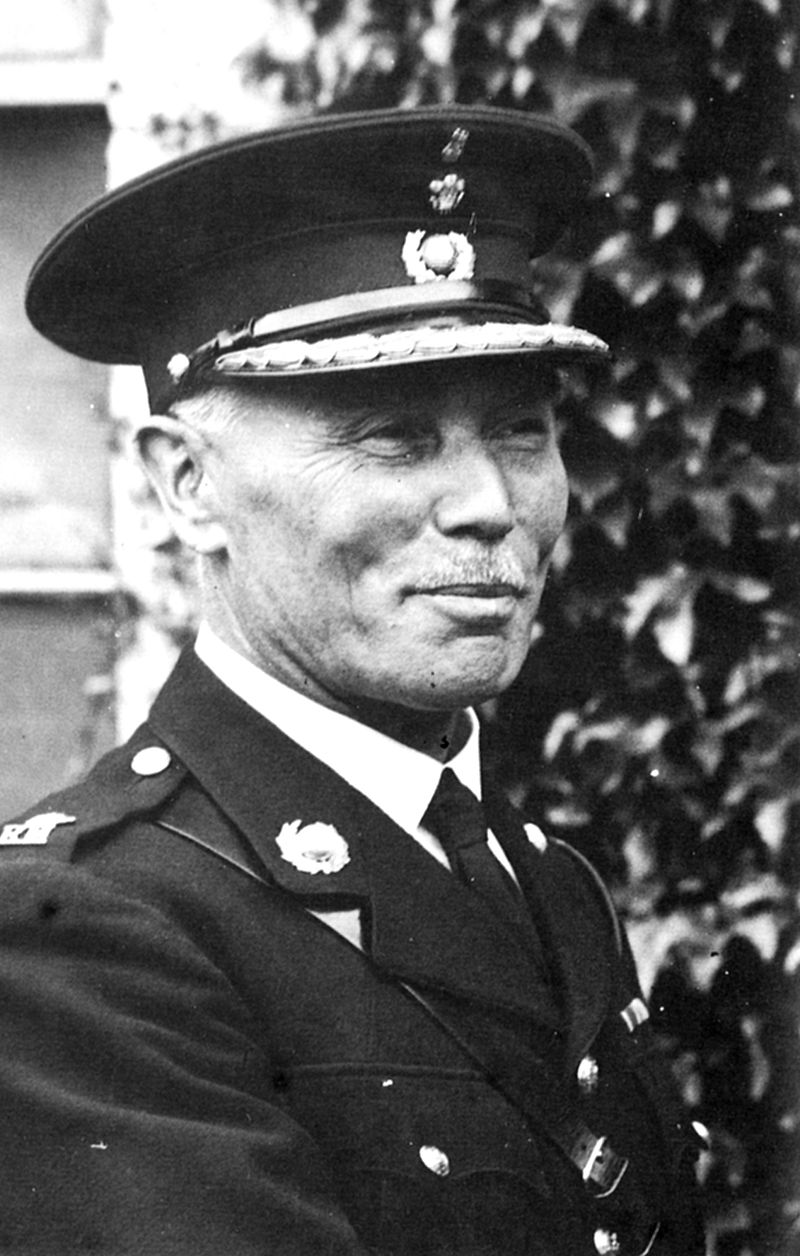
In 1927, Ricketts transferred from the British Army to the Royal Marines and became Director of Music for the Royal Marines Band in Plymouth. This position represented the pinnacle of a military musician’s career in Britain.
As director, he led one of the finest military bands in the world and continued composing extensively. His reputation grew steadily, and he became widely respected as both a conductor and composer. Fellow musicians admired his professionalism, musical craftsmanship, and dedication to excellence.
By the 1930s and early 1940s, Kenneth J. Alford was recognized internationally as the foremost British composer of military marches.
Major Compositions
Kenneth J. Alford composed dozens of marches that remain popular today. Many are considered masterpieces of military band literature.
Colonel Bogey (1914)
Perhaps his most famous work, Colonel Bogey became one of the most recognizable marches ever written. The march achieved worldwide fame and later gained additional popularity through its use in the film The Bridge on the River Kwai. Its memorable opening motif remains instantly recognizable.
The Great Little Army (1916)
Composed during the First World War, this march celebrated the courage and achievements of British and Allied forces. It remains a popular ceremonial march and continues to be performed by military bands around the world.
On the Quarter Deck (1917)
One of Alford’s finest naval marches, this composition showcases his mastery of orchestration and his ability to create a dignified yet energetic musical atmosphere.
The Voice of the Guns (1917)
Inspired by wartime experiences, this march combines military precision with dramatic musical expression. It remains one of his most respected compositions.
The Middy (1924)
Written in honor of naval cadets, The Middy became a favorite among naval and military bands because of its lively rhythms and elegant structure.
The Mad Major (1921)
One of Alford’s most colorful marches, The Mad Major demonstrates his gift for memorable themes and sophisticated band writing.
Eagle Squadron (1942)
Composed during the Second World War, this march honored American volunteer pilots who served with the Royal Air Force before the United States officially entered the conflict.
Other notable works include Holyrood, The Vedette, Army of the Nile, By Land and Sea, and The Standard of St. George.
Death
By the early 1940s, years of military service and intense professional activity had begun to affect Alford’s health. Nevertheless, he continued his musical duties for as long as possible.
In 1944, after nearly half a century of service to the British Crown, he retired from the Royal Marines because of declining health. He spent his final months in Reigate, Surrey, England.
On May 15, 1945, shortly after the end of World War II in Europe, Frederick Joseph Ricketts died following surgery for cancer. He was sixty-four years old.
His death marked the end of one of the most distinguished careers in military music history. Musicians throughout Britain and the Commonwealth mourned the loss of a composer whose works had become an integral part of military musical tradition.
Conclusion
Kenneth J. Alford occupies a unique place in the history of band music. Through his extraordinary talent as a composer, conductor, and military musician, he elevated the military march to an art form of remarkable sophistication and popularity.
His compositions continue to be performed by military bands, wind ensembles, brass bands, and concert bands throughout the world. More than eighty years after his death, marches such as Colonel Bogey and The Great Little Army remain standards of the repertoire.
Remembered as “The British March King,” Alford left a legacy defined by craftsmanship, musical imagination, and patriotic spirit. His influence on military band music remains profound, ensuring that his name—and his music—will continue to be celebrated for generations to come.
Comments are closed