Introduction
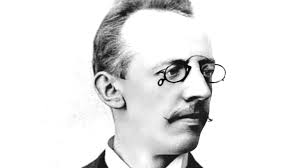
Vítězslav Novák was one of the most important Czech composers of the late Romantic and early modern periods. Born in 1870 in Bohemia, he became a leading figure in Czech musical nationalism and played a crucial role in shaping the country’s musical identity during the late nineteenth and early twentieth centuries. A student of Antonín Dvořák, Novák developed a distinctive musical language that combined Romantic traditions with folk influences from Moravia and Slovakia. Throughout his long career, he composed symphonic poems, operas, chamber music, choral works, and orchestral masterpieces that remain significant contributions to Czech music. He was also an influential teacher whose students helped shape the next generation of Czech composers.
Childhood
Vítězslav Augustín Rudolf Novák was born on December 5, 1870, in Kamenice nad Lipou, a small town in southern Bohemia, then part of the Austro-Hungarian Empire. He was baptized as Viktor Novák, though he later adopted the name Vítězslav as an expression of his Czech national identity.
His father was a physician, and his family valued education and culture. In 1872, the family moved to Počátky, where the young Novák received his first musical training. He studied violin with Antonín Šilhan and piano with Marie Krejčová. From an early age, he displayed remarkable musical talent and began composing simple pieces while still a child.
A significant turning point came in 1882 when his father died. The family faced financial difficulties and relocated to Jindřichův Hradec. Despite these challenges, Novák continued his education and remained devoted to music. His talent became increasingly evident during his teenage years, when he composed piano works and songs that demonstrated a growing artistic maturity.
Youth
As a young man, Novák moved to Prague to pursue higher education. Initially, he enrolled in law studies at Charles University, largely to satisfy practical expectations. However, his true passion was music, and he simultaneously entered the Prague Conservatory.
At the conservatory, he studied piano, harmony, and counterpoint while receiving composition instruction from some of the leading musicians of the day. His most important mentor was Antonín Dvořák, whose master classes profoundly influenced his development. Novák studied alongside other future Czech musical figures, including Josef Suk and Oskar Nedbal.
During the 1890s, Novák gradually established himself as a promising composer. Although his earliest works reflected the influence of Robert Schumann and Edvard Grieg, he soon sought a more personal voice. A decisive moment occurred in 1896 when he traveled through Moravia and Slovakia. There he encountered local folk traditions, songs, and dances that fascinated him. These experiences inspired him to incorporate folk elements into his compositions, helping him create a distinctive national style that would become one of his trademarks.
Adulthood
By the beginning of the twentieth century, Novák had emerged as one of the leading composers in Czech musical life. His growing reputation was built on a series of ambitious orchestral works and symphonic poems that demonstrated both technical mastery and artistic originality.
His fascination with folk culture continued to shape his music, but he also absorbed influences from French Impressionism and contemporary European musical trends. This combination allowed him to move beyond the strict Romanticism of his teachers while maintaining a strong connection to Czech traditions.
In 1909, Novák joined the faculty of the Prague Conservatory, eventually becoming one of its most respected composition teachers. He influenced numerous students who later achieved distinction in Czech music. His role as an educator became nearly as important as his work as a composer.
In 1912, he married Marie Prášková, a singer and former student. During the years surrounding World War I and the creation of independent Czechoslovakia in 1918, Novák became deeply involved in cultural and educational affairs. He advocated for the development of a distinctly Czech musical identity and played an important role in the administration of the Prague Conservatory.
Although musical tastes changed during the interwar years and modernist movements gained prominence, Novák remained an influential figure. In the 1930s, he experienced a creative renewal and produced several major works. During the Nazi occupation of Czechoslovakia, he composed patriotic pieces that served as expressions of national resilience and cultural resistance.
Following World War II, Novák continued composing and writing about his experiences. He remained an esteemed elder statesman of Czech music until the end of his life.
Major Compositions
Vítězslav Novák’s catalog encompasses orchestral music, operas, chamber works, piano compositions, choral music, and symphonies. Many of his most celebrated works draw inspiration from nature, folklore, literature, and national history.
In the Tatra Mountains (V Tatrách, 1902)
One of Novák’s most famous symphonic poems, this work captures the grandeur and atmosphere of the Tatra Mountains. It remains one of the finest examples of Czech orchestral nationalism.
Slovak Suite (1903)
Perhaps his most popular orchestral composition, the Slovak Suite reflects the melodies, rhythms, and spirit of Slovak folk music that had so deeply influenced him.
Of the Eternal Longing (O věčné touze, 1905)
Inspired by literary sources, this symphonic poem demonstrates Novák’s gift for atmospheric orchestral writing and emotional expression.
Toman and the Wood Nymph (1907)
A richly imaginative tone poem based on Czech legends and folklore, displaying both dramatic power and lyrical beauty.
The Storm (Bouře, 1908–1910)
Often regarded as one of Novák’s masterpieces, this large-scale cantata was inspired by William Shakespeare’s play The Tempest. It represents the culmination of his mature pre-World War I style.
Pan (1910–1912)
Originally written for piano and later orchestrated, Pan is considered one of his most ambitious and innovative works, reflecting symbolism, nature mysticism, and modernist influences.
Autumn Symphony (Podzimní symfonie, 1934)
A monumental symphonic work for chorus and orchestra that marked his artistic revival during the 1930s.
De Profundis (1941)
Written during the Nazi occupation, this powerful orchestral work conveyed spiritual strength and national determination.
Saint Wenceslas Triptych (1942)
A patriotic composition honoring Saint Wenceslas, one of the Czech nation’s most revered historical figures.
May Symphony (1943–1945)
One of his final major orchestral works, composed during the turbulent years of World War II and reflecting hopes for liberation and renewal.
Death
In his later years, Novák spent much of his time in the town of Skuteč in eastern Bohemia. Though officially retired, he remained active intellectually and artistically. He continued composing, writing memoirs, and reflecting on the dramatic political and cultural changes he had witnessed throughout his lifetime.
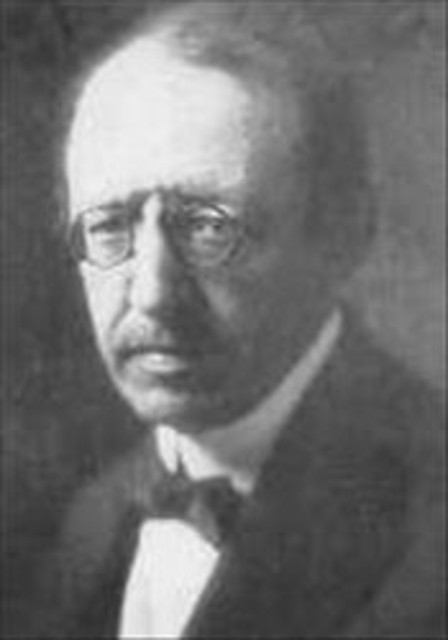
Vítězslav Novák died on July 18, 1949, at the age of seventy-eight. His death marked the passing of one of the last major representatives of Czech late Romanticism. By the time of his death, he had become a respected national figure whose influence extended well beyond his own compositions through his work as a teacher and cultural leader.
Conclusion
Vítězslav Novák occupies a central place in the history of Czech music. Standing between the generation of Antonín Dvořák and the modern composers of the twentieth century, he helped bridge tradition and innovation. His music combined Romantic expressiveness, folk inspiration, impressionistic color, and a deep sense of national identity.
As both composer and teacher, Novák contributed enormously to the development of Czech musical culture. His orchestral masterpieces, symphonic poems, and choral works continue to demonstrate his exceptional craftsmanship and imaginative vision. Today, he is remembered as one of the principal architects of Czech musical nationalism and one of the most significant Czech composers of the twentieth century.
Comments are closed