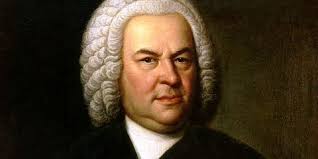
Johann Sebastian Bach: The Musical Genius Who Shaped Classical Music
Johann Sebastian Bach is widely regarded as one of the greatest composers in the history of Western music. Born in 1685 in Germany, Bach’s works have influenced countless musicians and composers for more than three centuries. His extraordinary talent, creativity, and dedication to music left a legacy that continues to inspire audiences around the world.
Here are five fascinating facts about Johann Sebastian Bach that reveal why he remains such an important figure in music history.

1. Bach Came from a Family of Musicians
Music was deeply rooted in Bach’s family. In fact, the Bach family was one of the most famous musical dynasties in Germany. For several generations, family members worked as composers, organists, and instrumentalists.
Johann Sebastian Bach was born into this musical tradition and began learning music at an early age. His father, Johann Ambrosius Bach, was a respected musician who taught him the fundamentals of violin and music theory. Growing up in such an environment helped Bach develop the remarkable skills that would later make him a legendary composer.
2. He Walked Hundreds of Kilometers to Hear Music
One of the most remarkable stories from Bach’s youth demonstrates his passion for learning. At the age of around 20, he reportedly walked more than 400 kilometers (250 miles) from Arnstadt to Lübeck to hear the famous organist Dieterich Buxtehude perform.
The journey took several weeks, but Bach considered it worthwhile because he was eager to study Buxtehude’s techniques and musical style. This dedication to improving his craft highlights the determination that contributed to his extraordinary success.
3. Bach Was a Master of the Organ
Although Bach composed music for many instruments and ensembles, he was especially renowned for his organ-playing abilities. During his lifetime, he was often better known as a virtuoso organist than as a composer.
People traveled great distances to hear him perform. His improvisational skills were legendary, and he could create complex musical pieces spontaneously while playing. Many of his most famous works, including the iconic Toccata and Fugue in D Minor, showcase his exceptional understanding of the organ’s capabilities.
4. He Fathered Twenty Children
Johann Sebastian Bach had a remarkably large family. He fathered 20 children through two marriages, although several unfortunately died in infancy, which was common during the 18th century.
Many of his surviving children became accomplished musicians and composers in their own right. Among them, Carl Philipp Emanuel Bach and Johann Christian Bach achieved significant success and helped shape the development of classical music after their father’s era. The Bach family’s influence on music extended far beyond Johann Sebastian’s own lifetime.
5. His Music Was Rediscovered After His Death
Although Bach was highly respected during his life, his music became less popular after his death in 1750. Musical tastes changed, and many of his compositions were largely forgotten by the general public.
Fortunately, interest in Bach’s work was revived in the 19th century, largely thanks to composer Felix Mendelssohn. In 1829, Mendelssohn conducted a performance of Bach’s St. Matthew Passion, helping introduce a new generation to the composer’s genius. This revival sparked renewed appreciation for Bach’s music, leading to the worldwide recognition he enjoys today.
Conclusion
Johann Sebastian Bach’s life was filled with dedication, innovation, and an unwavering passion for music. From his musical family background and extraordinary journeys to his mastery of the organ and lasting influence on future generations, Bach’s story is as fascinating as his compositions.
Today, his works remain essential to classical music, studied by musicians and admired by audiences across the globe. More than 250 years after his death, Bach continues to demonstrate the timeless power of creativity and artistic excellence.
Comments are closed