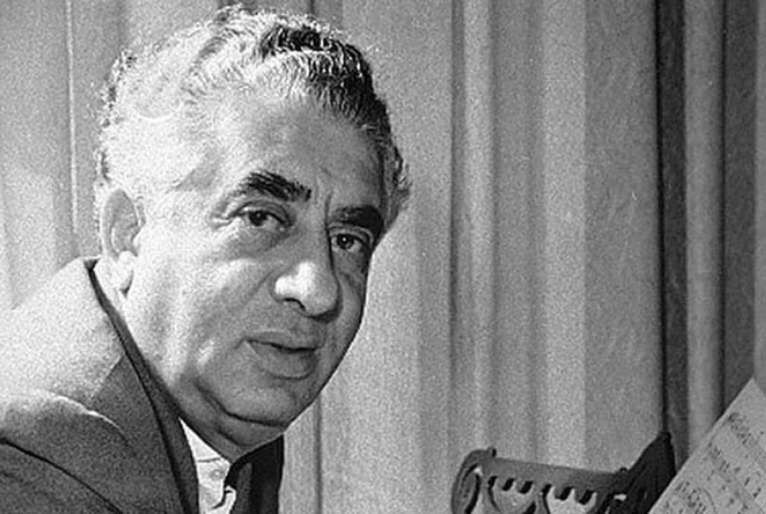
Aram Khachaturian was one of the most influential composers of the 20th century. Renowned for his vibrant orchestration, rhythmic energy, and incorporation of Armenian folk elements, Khachaturian created music that remains popular with audiences around the world. His works combine rich melodies, colorful harmonies, and dramatic expression, making him one of the most recognizable figures of Soviet-era classical music.
From dazzling ballets to powerful concertos and symphonic masterpieces, Khachaturian’s compositions continue to be performed by major orchestras and ballet companies worldwide. Below are five of his most celebrated works that showcase the depth and brilliance of his musical legacy.
1. Spartacus (1954)
Khachaturian’s Epic Ballet Masterpiece
Spartacus is widely regarded as Khachaturian’s greatest achievement. Based on the story of the legendary Roman gladiator who led a slave revolt against the Roman Republic, the ballet combines dramatic storytelling with some of the composer’s most memorable music.
The ballet’s most famous section, the “Adagio of Spartacus and Phrygia,” has become one of the most beloved pieces in classical music. Its sweeping melody and emotional intensity have been used extensively in films, television programs, and concert performances.
The score is filled with powerful marches, passionate love themes, and energetic dances that vividly portray the struggle for freedom and human dignity. The success of Spartacus cemented Khachaturian’s reputation as one of the leading ballet composers of his era.
Why It Matters
- Considered Khachaturian’s masterpiece.
- Features some of the most recognizable ballet music of the 20th century.
- Continues to be performed by major ballet companies worldwide.
2. Gayane (1942)
The Ballet That Gave the World the Sabre Dance
Gayane is one of Khachaturian’s most popular and enduring works. Set on a collective farm in Armenia, the ballet explores themes of love, patriotism, and community through colorful music inspired by Armenian folk traditions.
The most famous movement from the ballet is undoubtedly the “Sabre Dance,” a whirlwind of rhythmic excitement and orchestral brilliance. The piece became an international sensation and remains one of the most frequently performed works in the classical repertoire.
Beyond the famous dance, Gayane contains numerous lyrical and expressive passages that highlight Khachaturian’s gift for melody and orchestral color. The ballet played a significant role in introducing Armenian musical traditions to global audiences.
Why It Matters
- Contains the iconic “Sabre Dance.”
- Showcases Armenian folk influences.
- One of the most frequently performed Soviet ballets.
3. Violin Concerto in D Minor (1940)
A Virtuosic Showcase for the Violin
Violin Concerto in D Minor stands among the finest violin concertos of the 20th century. Written for the legendary violinist David Oistrakh, the concerto combines dazzling technical demands with deeply expressive melodies.
The work is characterized by vibrant rhythms, rich orchestration, and strong folk-inspired themes. Khachaturian’s ability to blend virtuosic brilliance with emotional depth creates a compelling musical journey from beginning to end.
The concerto quickly became a favorite among violinists and audiences alike, earning widespread acclaim for its originality and excitement. Today, it remains a cornerstone of the modern violin repertoire.
Why It Matters
- One of the greatest violin concertos of the 20th century.
- Written for David Oistrakh.
- Combines technical brilliance with memorable melodies.
4. Piano Concerto in D-flat Major (1936)
The Work That Established His International Reputation
Piano Concerto in D-flat Major was the composition that first brought Khachaturian significant international recognition. The concerto displays the composer’s distinctive style, blending virtuosic piano writing with energetic rhythms and exotic orchestral textures.
One of the concerto’s most unusual features is its original use of the flexatone, a rare percussion instrument that creates an eerie, shimmering sound. This innovative orchestration helped distinguish the work from other concertos of its time.
The concerto demands exceptional technical skill from the soloist while maintaining a strong sense of melody and drama, making it a favorite among pianists seeking a powerful and colorful concert work.
Why It Matters
- Marked Khachaturian’s international breakthrough.
- Features innovative orchestral effects.
- Remains an important work in the piano concerto repertoire.
5. Symphony No. 2 “The Bell” (1943)
A Powerful Reflection of Wartime Struggle
Symphony No. 2 was composed during the height of World War II and reflects the emotional turmoil of that period. Often referred to as “The Bell Symphony,” the work opens with a dramatic bell motif that symbolizes alarm, conflict, and uncertainty.
The symphony combines monumental orchestral power with moments of profound lyricism. Throughout the work, Khachaturian expresses both the suffering caused by war and the resilience of the human spirit.
Many music historians consider this symphony one of the most significant Soviet symphonic works of the wartime era. Its emotional depth and dramatic structure demonstrate Khachaturian’s mastery beyond the ballet stage.
Why It Matters
- One of the composer’s most ambitious orchestral works.
- Captures the atmosphere of World War II.
- Demonstrates Khachaturian’s symphonic mastery.
The Enduring Legacy of Aram Khachaturian
The music of Aram Khachaturian remains a vital part of the classical repertoire more than four decades after his death. Through works such as Spartacus, Gayane, the Violin Concerto in D Minor, the Piano Concerto in D-flat Major, and Symphony No. 2, he created a musical language that was both deeply rooted in Armenian traditions and universally appealing.
His ability to combine folk-inspired melodies, vibrant orchestration, and dramatic storytelling has ensured his place among the most important composers of the 20th century. Whether experienced in the concert hall, the opera house, or through recordings, Khachaturian’s music continues to inspire audiences with its passion, energy, and unmistakable originality.
Comments are closed