Introduction
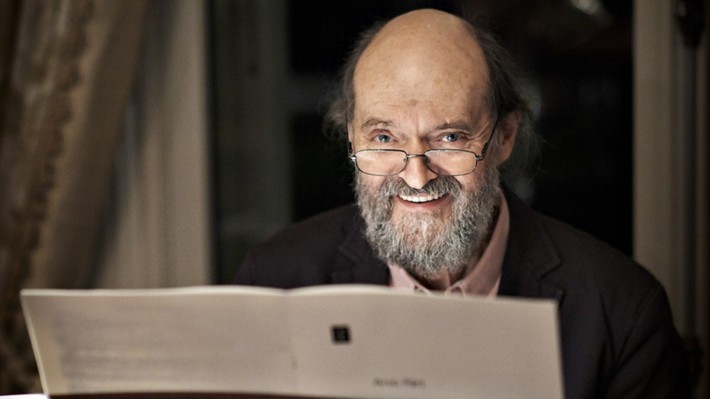
Few contemporary composers have had as profound an impact on modern classical music as Arvo Pärt. Known for his deeply spiritual style and minimalist approach, Pärt developed a unique compositional technique called tintinnabuli, which transformed the landscape of contemporary music. His works combine simplicity, silence, and emotional depth, creating a sound world that resonates with audiences far beyond the classical music community.
In this article, we explore five of Arvo Pärt’s most significant compositions, examining their historical context, musical characteristics, and enduring influence.
1. Für Alina (1976)
The Beginning of a New Musical Language
Für Alina marks a turning point in Pärt’s artistic journey. After several years of creative silence and intense study of early sacred music, he emerged with a radically simplified style that would become his signature.
Written for solo piano, the piece consists of only a few notes arranged with extraordinary care and sensitivity. The music unfolds slowly, leaving ample space for silence and reflection. Rather than focusing on technical complexity, Für Alina invites listeners into a contemplative experience.
Why It Matters
This composition represents the first mature expression of the tintinnabuli technique. Its influence can be heard throughout Pärt’s later works and has inspired countless composers interested in minimalism and sacred aesthetics.
Musical Highlights
- Solo piano texture
- Extreme simplicity
- Extensive use of silence
- Meditative atmosphere
- Foundation of the tintinnabuli style
2. Fratres (1977)
A Timeless Meditation
Among Pärt’s most frequently performed works, Fratres demonstrates the remarkable flexibility of his compositional approach. The piece exists in numerous versions for different instrumental combinations, including violin and piano, string orchestra, percussion ensemble, and cello ensemble.
The title, meaning “Brothers” in Latin, reflects the work’s spiritual and communal character. Built upon a recurring harmonic pattern, the music evolves through subtle variations, creating a sense of timelessness and ritual.
Why It Matters
Fratres introduced many listeners to Pärt’s music and remains one of the clearest examples of his ability to create profound emotional impact with limited musical material.
Musical Highlights
- Multiple instrumentations
- Repetitive harmonic structure
- Spiritual and contemplative mood
- Balance between movement and stillness
- International popularity
3. Tabula Rasa (1977)
The Work That Brought Global Recognition
Composed for two violins, prepared piano, and string orchestra, Tabula Rasa played a crucial role in establishing Pärt’s international reputation. The title translates as “Blank Slate,” suggesting renewal, purity, and a fresh beginning.
The composition consists of two movements: Ludus (“Game”) and Silentium (“Silence”). While the first movement contains dynamic contrasts and rhythmic vitality, the second gradually dissolves into stillness, ending with one of the most memorable passages in contemporary music.
Why It Matters
The recording of Tabula Rasa introduced Pärt to a global audience and helped define the sound associated with his mature style.
Musical Highlights
- Two contrasting movements
- Prepared piano sonorities
- Emotional intensity
- Innovative use of silence
- Landmark recording success
4. Spiegel im Spiegel (1978)
Simplicity at Its Most Beautiful
Perhaps Pärt’s most accessible and beloved composition, Spiegel im Spiegel translates as “Mirror in the Mirror.” The piece is commonly performed by piano and a melodic instrument such as violin, cello, or flute.
The music unfolds through a continuous dialogue between ascending and descending scales and simple piano arpeggios. The result is serene, transparent, and deeply moving.
Its universal appeal has led to widespread use in films, documentaries, and memorial events, making it one of the most recognized works of contemporary classical music.
Why It Matters
Spiegel im Spiegel demonstrates how profound emotional expression can emerge from the simplest musical materials.
Musical Highlights
- Exceptional clarity
- Slow, flowing structure
- Minimalist design
- Emotional accessibility
- Frequent use in film and media
5. Te Deum (1984–1985)
A Monumental Sacred Statement
While many of Pärt’s compositions are intimate in scale, Te Deum reveals his ability to create large-scale sacred works of immense power. Based on the ancient Christian hymn of praise, the composition is scored for choir, string orchestra, prepared piano, and wind harp.
The music combines ancient liturgical traditions with Pärt’s modern tintinnabuli language. Throughout the work, listeners encounter moments of awe, reverence, and transcendence.
Why It Matters
Te Deum stands as one of the most important sacred compositions of the late twentieth century, demonstrating how contemporary music can engage deeply with spiritual themes.
Musical Highlights
- Large choral forces
- Sacred text setting
- Rich yet restrained sonorities
- Spiritual depth
- Integration of ancient and modern influences
The Legacy of Arvo Pärt
Arvo Pärt’s music occupies a unique place in contemporary culture. At a time when much modern composition emphasized complexity and experimentation, he pursued simplicity, silence, and spiritual reflection. His works have attracted listeners from diverse backgrounds, including classical music enthusiasts, religious communities, filmmakers, and audiences seeking contemplative experiences.
The five compositions discussed here—Für Alina, Fratres, Tabula Rasa, Spiegel im Spiegel, and Te Deum—represent the core of his artistic achievement. Together, they illustrate the evolution of a composer who transformed silence into one of the most expressive elements in modern music.
Whether you are discovering Arvo Pärt for the first time or revisiting his work, these compositions provide an ideal introduction to one of the most influential musical voices of our time.
Comments are closed