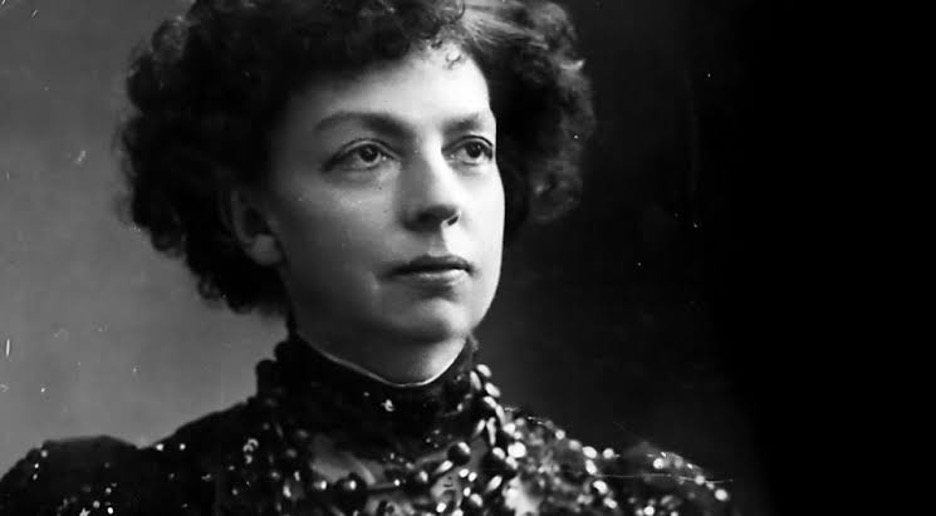
Discover the Legacy of One of France’s Greatest Romantic Composers
Cécile Chaminade was one of the most celebrated pianists and composers of the late Romantic period. During her lifetime, she achieved remarkable international success, performing throughout Europe and the United States while composing more than 400 works.
Although her music was highly admired during the late 19th and early 20th centuries, her reputation declined after her death, only to experience a significant revival in recent decades. Today, musicians and audiences appreciate her refined melodies, elegant harmonies, and brilliant piano writing.
If you’re new to Chaminade’s music, these five compositions provide an excellent introduction to her artistic style.
1. Concertino for Flute and Orchestra, Op. 107
Among all of Chaminade’s works, the Concertino for Flute and Orchestra, Op. 107 is unquestionably the most famous. Written in 1902, it was originally commissioned as an examination piece for students at the Paris Conservatoire.
Despite its educational purpose, the work quickly became a cornerstone of the flute repertoire. It combines dazzling virtuosity with lyrical beauty, demanding both technical precision and expressive musicianship from the performer.
The Concertino features:
- Brilliant technical passages
- Singing Romantic melodies
- Delicate orchestral textures
- A joyful and energetic conclusion
Today, it remains one of the most frequently performed and recorded flute concert pieces in the world.
2. Scarf Dance (Danse de l’Écharpe), Op. 37
One of Chaminade’s most recognizable piano miniatures, Scarf Dance captures the grace and elegance associated with salon music of the Belle Époque.
The piece evokes the image of a flowing scarf moving effortlessly through the air, reflected in its light textures, sparkling rhythms, and expressive melodic lines.
Although relatively short, it demonstrates Chaminade’s remarkable ability to create vivid musical imagery while remaining accessible to amateur and professional pianists alike.
Its charm and lyrical sophistication have made it one of her enduring favorites.
3. Automne, Op. 35 No. 2
Automne is among Chaminade’s most poetic piano works. Rather than relying on virtuosic display, the composition explores mood, atmosphere, and emotional depth.
The music reflects the quiet beauty and melancholy often associated with autumn, featuring warm harmonies and expressive phrasing that reveal Chaminade’s gift for melodic storytelling.
The piece showcases:
- Rich Romantic harmony
- Expressive melodic writing
- Gentle rhythmic flow
- Refined emotional nuance
It remains a favorite among pianists seeking lyrical Romantic repertoire beyond the standard canon.
4. Piano Sonata in C Minor, Op. 21
While Chaminade is often remembered for her shorter character pieces, the Piano Sonata in C Minor, Op. 21 demonstrates her ability to compose on a much larger scale.
Written early in her career, the sonata reveals impressive structural command and considerable pianistic brilliance. It combines dramatic contrasts, lyrical passages, and technically demanding movements that reflect the influence of the German Romantic tradition while maintaining Chaminade’s distinctive melodic voice.
For listeners interested in her more ambitious works, this sonata offers a compelling example of her compositional craftsmanship.
5. Theme and Variations, Op. 89
Theme and Variations, Op. 89 highlights Chaminade’s creativity through one of classical music’s most enduring forms.
Beginning with a graceful, memorable theme, the work unfolds through a series of contrasting variations that explore different moods, textures, and technical challenges.
Each variation presents new musical ideas while maintaining a strong connection to the original melody, demonstrating Chaminade’s imagination and compositional skill.
The work remains a rewarding choice for advanced pianists and an excellent introduction to her mature style.
Why Cécile Chaminade Still Matters Today
For many years, Chaminade’s music received less attention than that of many of her contemporaries. However, modern performers, scholars, and audiences have increasingly recognized the originality and quality of her compositions.
Her music combines:
- Elegant Romantic melodies
- Brilliant yet idiomatic piano writing
- Expressive lyricism
- Refined harmonic language
- Exceptional craftsmanship
As interest in overlooked composers continues to grow, Chaminade has rightfully regained her place among the significant musical voices of the late Romantic era.
Whether through the dazzling Concertino for Flute, the poetic intimacy of Automne, or the brilliance of her piano works, Cécile Chaminade’s compositions continue to inspire performers and captivate audiences around the world.
Final Thoughts
Exploring the music of Cécile Chaminade offers listeners an opportunity to discover a composer whose artistry extends far beyond a single famous work. Her music balances elegance, virtuosity, and emotional warmth, making it appealing to both seasoned classical music enthusiasts and newcomers alike.
Comments are closed