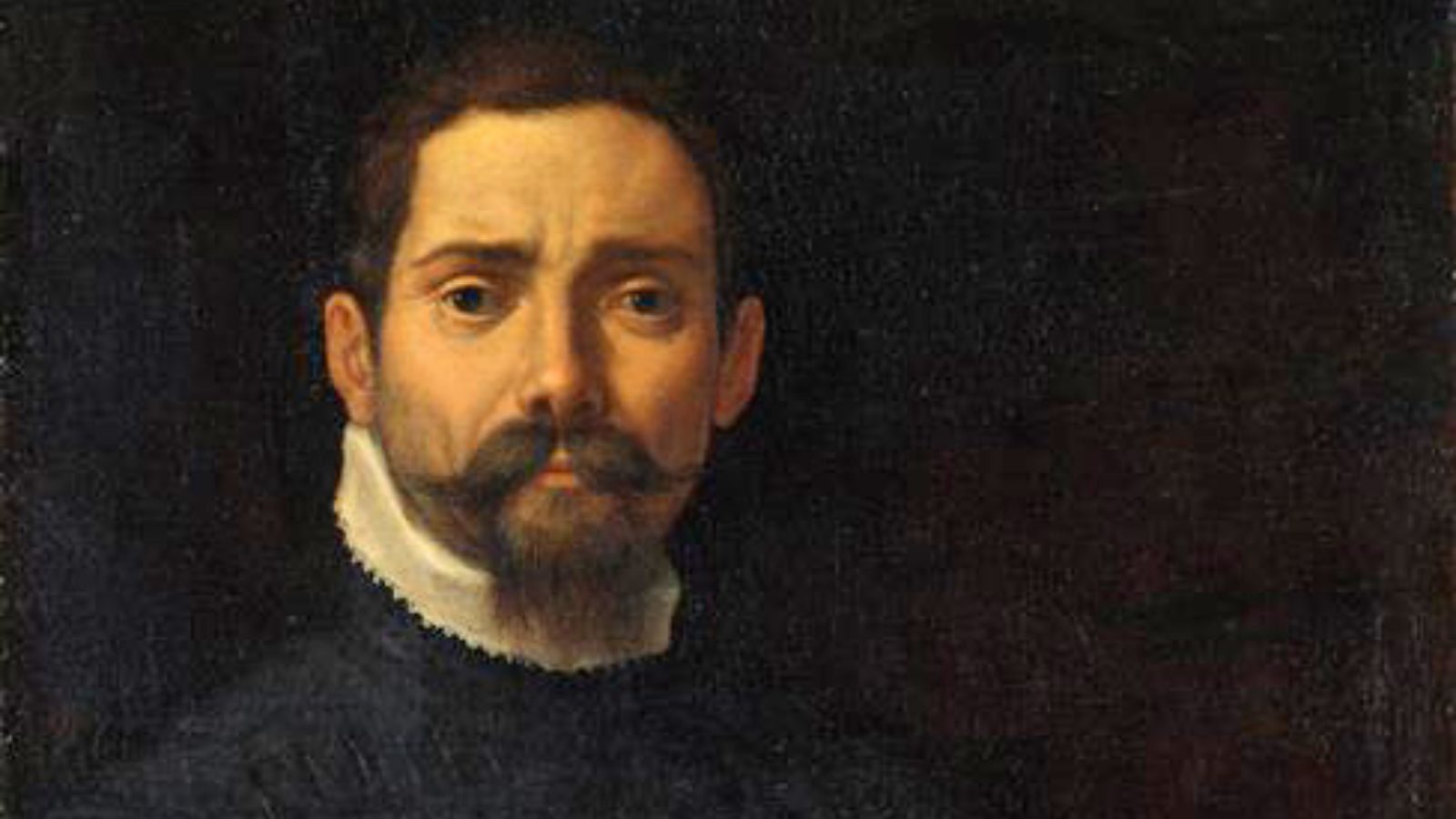
Giovanni Gabrieli – A Complete Biography
Introduction
Giovanni Gabrieli (c. 1554/57–1612) was a pivotal figure of late Renaissance Venice, renowned for his groundbreaking contributions to sacred music and instrumental ensemble writing. As principal organist and composer at St. Mark’s Basilica, he transformed the church into a venue of unparalleled sonic splendor, utilizing multiple choirs and instruments to create an immersive musical experience. His works bridged the gap between Renaissance polyphony and early Baroque style, leaving a profound influence on composers throughout Europe.
Childhood
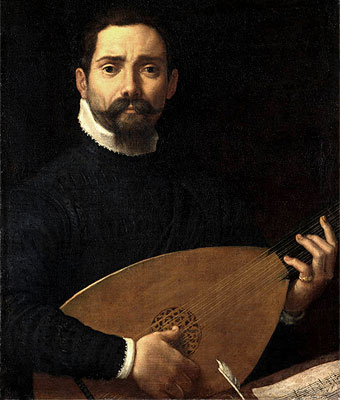
Gabrieli was born in Venice between 1554 and 1557 into a family with strong musical connections. His uncle, Andrea Gabrieli, was already a well-established composer and organist at St. Mark’s Basilica, providing young Giovanni with early exposure to music and a foundation in composition. The family’s ties to Venetian culture and music paved the way for Giovanni’s early training and subsequent career.
Youth
In his youth, Gabrieli traveled to Munich, where he served at the Bavarian court under the direction of Orlando di Lasso. This period allowed him to immerse himself in international styles, developing a deep understanding of both Italian and German musical traditions. The exposure to large-scale ceremonial music in Munich inspired Gabrieli’s later innovations in Venice, particularly his use of spatially separated choirs and elaborate instrumentation.
Adulthood
Returning to Venice, Gabrieli became organist at St. Mark’s Basilica in 1585, following in his uncle Andrea’s footsteps. He also held a position at the Scuola Grande di San Rocco, one of Venice’s wealthiest and most prestigious confraternities. Gabrieli composed for major religious festivals and state ceremonies, capitalizing on the acoustics of Venice’s grand churches to create his signature polychoral style. Among his many pupils was Heinrich Schütz, who carried Gabrieli’s techniques back to Germany, helping spread his influence across Europe.
Major Compositions
Gabrieli’s early fame grew with the publication of “Concerti di Andrea et di Giovanni Gabrieli” in 1587, a collection he edited in honor of his late uncle. His two volumes of “Sacrae Symphoniae,” published in 1597 and posthumously in 1615, remain cornerstones of his legacy. These works introduced explicit instrumentation, dynamic markings, and antiphonal arrangements, setting a precedent for future composers.
One of his most celebrated pieces, “Sonata pian’ e forte,” is notable for being among the first works to specify dynamics in print, marking a shift toward the Baroque emphasis on contrast and expression. Other iconic compositions, such as “In ecclesiis,” highlight Gabrieli’s ability to merge instrumental and vocal forces in vibrant, text-driven works. His “Canzoni et sonate” collection of 1615 further developed these ideas, cementing his reputation as an innovator.
Death
Giovanni Gabrieli died on August 12, 1612, in Venice, after suffering from a prolonged illness. He was buried at the Church of Santo Stefano, leaving behind a body of work that deeply influenced the course of Western music.
Conclusion
Gabrieli was a visionary who redefined the role of space, dynamics, and instrumentation in sacred music. His compositions bridged the Renaissance and Baroque eras, elevating Venice as a center of musical experimentation. His teaching legacy, particularly through Heinrich Schütz, ensured his influence reached far beyond Italy, shaping the development of early Baroque music throughout Europe. Today, Gabrieli is celebrated not only for his technical innovations but also for the grandeur and beauty that continue to define his music.
Comments are closed