John Goss – A Complete Biography
Introduction
Sir John Goss (1800–1880) was one of Victorian England’s defining composers for the Anglican church—an organist, teacher, and writer whose music helped shape the sound of 19th-century cathedral worship. A chorister-turned-kapellmeister in the English mold, he rose from modest parish beginnings to the organ bench of St Paul’s Cathedral in London, mentoring a generation that would carry English sacred music into the late Victorian era. His legacy rests on finely crafted anthems, enduring hymn tunes, and a long teaching career that touched figures such as Arthur Sullivan and John Stainer.
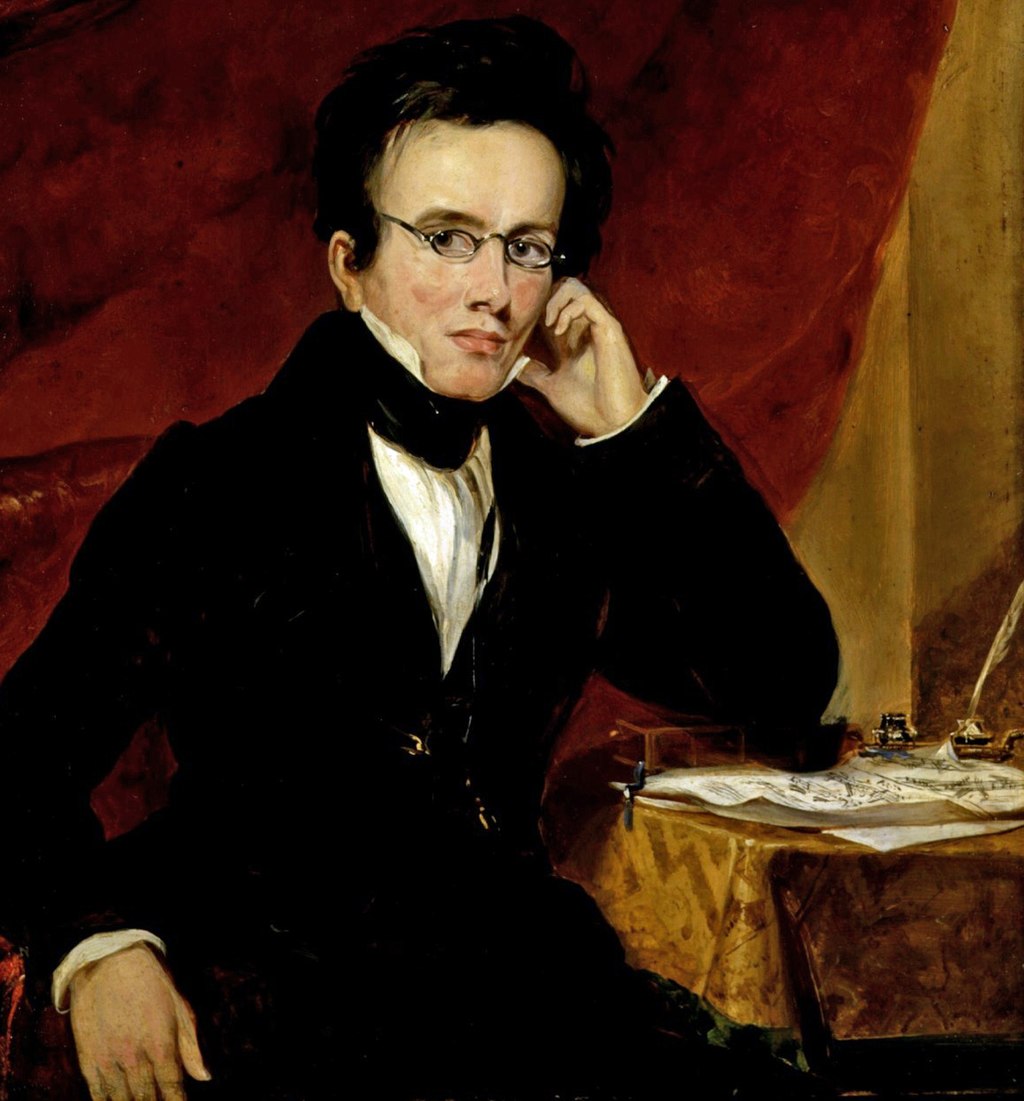
Childhood
Goss was born on December 27, 1800, in Fareham, Hampshire, into a family already steeped in music. His father, Joseph Goss, served as organist of the parish church, and relatives sang professionally in London’s great choirs. In 1811, the young John won a place as a Child of the Chapel Royal in London, receiving the rigorous vocal training that formed many of Britain’s finest church musicians. When his treble voice broke in 1816, he left the choir but not music; the path ahead would soon lead him to a pivotal mentor.
Youth
After leaving the Chapel Royal, Goss studied composition with Thomas Attwood, the organist of St Paul’s Cathedral and a former pupil of Mozart. Those lessons were decisive. Attwood’s broad musical outlook and practical craft grounded Goss in harmony, counterpoint, and the liturgical needs of an English cathedral. In these years Goss also scraped together experience wherever he could find it—singing in opera choruses, contributing to stage music, and testing his pen in songs and glees—before finally entering the professional organ world.
Adulthood
Goss’s first significant post came in 1821 at Stockwell Chapel (later St Andrew’s), followed by the more prestigious organist position at St Luke’s, Chelsea, in 1824. Three years later he joined the faculty of the newly founded Royal Academy of Music as professor of harmony, a chair he held for nearly five decades. In 1838 he succeeded his teacher Attwood as organist of St Paul’s Cathedral. The job brought honor but also institutional inertia: Goss had limited authority over the choir and often battled complacent standards. Nonetheless, he gradually raised the level of musicianship, organized large-scale sacred performances (including a landmark Handel Messiah in 1861), and built a personal reputation for piety, patience, and meticulous craftsmanship. He was appointed a composer to the Chapel Royal in 1856, knighted in 1872, and, in 1876, received an honorary doctorate from the University of Cambridge. In 1872 he retired from St Paul’s, handing the post to his former pupil John Stainer.
Major Compositions
Although Goss wrote some early orchestral overtures and secular vocal pieces, his lasting renown comes from sacred choral music and hymnody. Among his best-known hymn tunes are “Praise, my soul, the King of heaven” (often paired with Henry F. Lyte’s text) and “See, amid the winter’s snow” (the tune Humility). In the anthem repertory, he excelled at devotional lyricism set within clear, singable textures. Two anthems written for the 1852 state funeral of the Duke of Wellington—“If we believe that Jesus died” and “And the King said”—won immediate admiration for their solemn dignity, and “If we believe” became closely associated with memorial occasions thereafter, including Goss’s own funeral. Other widely sung anthems include “Blessed is the man” and “O Saviour of the world.” He also authored a widely used pedagogical text, An Introduction to Harmony and Thorough-Bass, which circulated in many editions and shaped generations of British harmony instruction.
Death
Goss died on May 10, 1880, at his home in Brixton, London, aged 79. His funeral was held in St Paul’s Cathedral, where he had served for more than three decades, and he was interred at Kensal Green Cemetery. In 1886, a memorial was erected to him inside St Paul’s. The anthem “If we believe that Jesus died,” sung at his funeral, served as a fitting musical epitaph to a life devoted to sacred song.
Conclusion
John Goss’s career traces a through-line in 19th-century English sacred music: the transmission of Chapel Royal discipline, the anchoring influence of St Paul’s Cathedral, and the emergence of a professional class of conservatory-trained church musicians. As a teacher he bridged generations; as a composer he gave Anglican worship memorable melodies and prayerful anthems; and as an organist he modeled steadiness and taste over showmanship. In the soundscape of Victorian worship, Goss’s music offered what the age prized—clarity, reverence, and singability—and it continues to be heard wherever choirs lift their voices in the English cathedral tradition.
Comments are closed