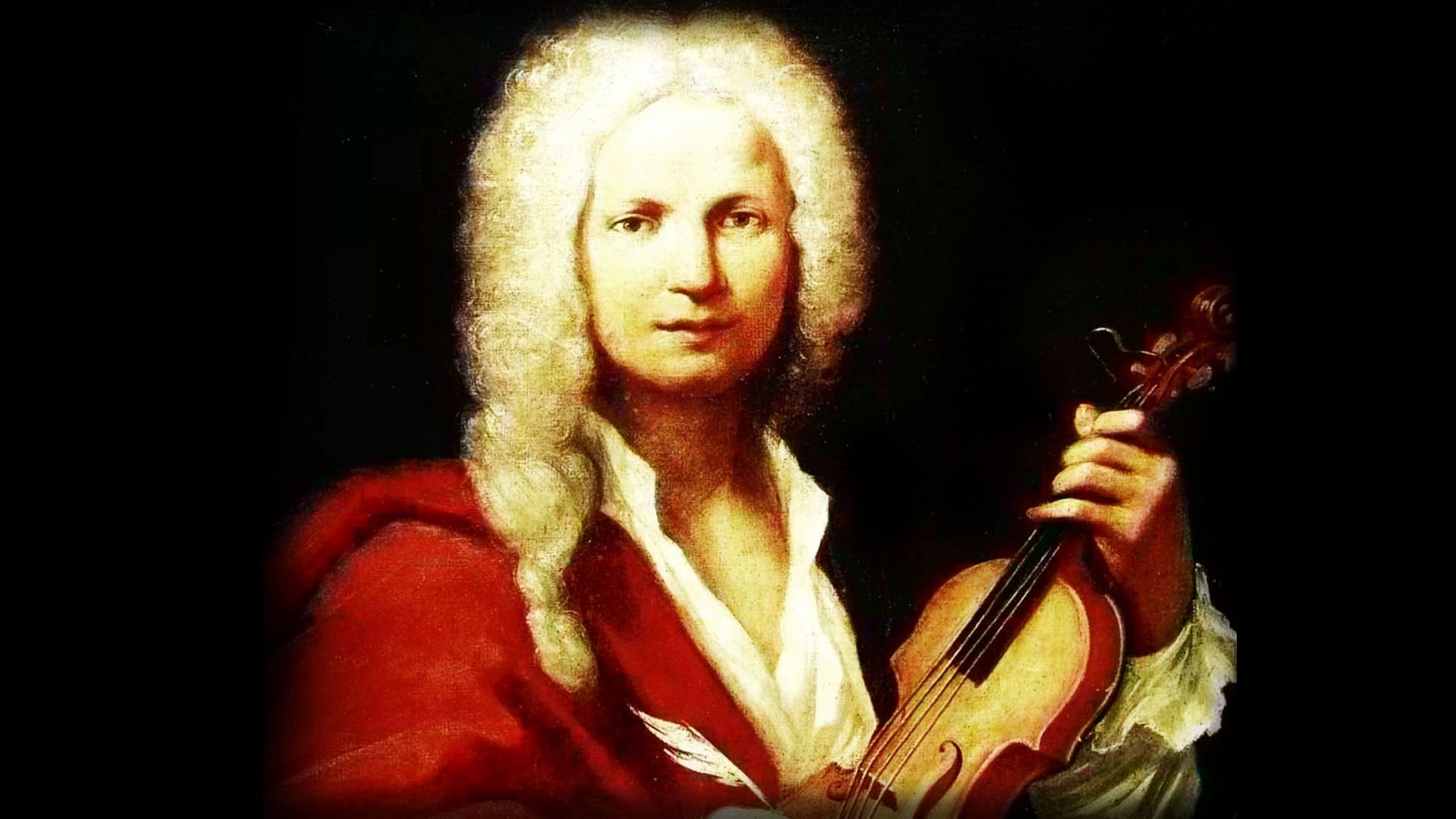
Antonio Vivaldi – A Complete Biography
Introduction
Antonio Vivaldi remains one of the most influential figures of the Baroque era, known for his prolific output, distinctive musical style, and substantial contributions to the development of the concerto. His best-known compositions, especially The Four Seasons, have become foundational works in Western classical music. Beyond his reputation as a composer, Vivaldi was also an accomplished violinist, respected teacher, and central musical personality in early eighteenth-century Venice. His life, however, was marked by contrasts: periods of great success alongside financial difficulty, acclaim followed by decline, and ultimately a posthumous rediscovery centuries later. This biography presents a structured account of his life and legacy.
Childhood
Antonio Lucio Vivaldi was born in Venice on March 4, 1678, into a modest but musically inclined family. His father, Giovanni Battista Vivaldi, was a professional violinist who performed at the Basilica of San Marco, one of the most prestigious musical institutions in Venice. Giovanni Battista played a fundamental role in shaping his son’s musical development, providing training from an early age and introducing him to the musical circles of the city.
Vivaldi was baptized immediately after birth, a practice believed to be connected to his frail health, which may have included chronic respiratory problems. Because of this fragile physical condition, Vivaldi spent much of his early childhood indoors, which allowed him extended time to practice violin and study music theory. Despite his health issues, he displayed exceptional musical talent that would define the course of his life.
Youth
As a young man, Vivaldi continued his intensive musical studies under the guidance of his father. By adolescence, he was recognized in Venice as a gifted violinist. However, in line with family expectations and cultural norms of the time, Vivaldi also pursued clerical training. He entered the priesthood and was ordained in 1703. His red hair earned him the nickname “Il Prete Rosso,” or “The Red Priest,” which followed him throughout his career.
Although he accepted ordination, Vivaldi found the physical demands of priestly duties difficult due to his ongoing health problems. Soon after ordination, he withdrew from regularly conducting Mass. Instead, he devoted his energy to music, accepting a position as violin master at the Ospedale della Pietà, one of Venice’s charitable institutions for orphaned and abandoned girls. This appointment marked the beginning of Vivaldi’s most productive and influential period.
Adulthood
During adulthood, Vivaldi became one of the leading musical figures in Venice. At the Ospedale della Pietà, he trained ensembles of highly skilled young women, many of whom became renowned performers. Under his leadership, the Pietà’s orchestra garnered an international reputation for excellence, attracting visitors from across Europe.
Vivaldi’s responsibilities at the Pietà fluctuated over the years, depending on the institution’s finances and administrative decisions. Nonetheless, he maintained a long association with the school, serving variously as violin master, music director, and external composer. His work there provided opportunities for experimentation, leading to significant innovations in concerto form, vocal music, and orchestration.
Beyond his institutional duties, Vivaldi led an active public career. He composed operas for major Venetian theaters and traveled to cities such as Mantua, Rome, and Prague for commissions and performances. His operatic career was mixed—some productions were highly successful, while others faced criticism—but his skill as a melodist and dramatist remained widely acknowledged.
By the 1720s and 1730s, Vivaldi enjoyed international esteem. His concertos circulated widely across Europe, influencing composers such as J.S. Bach, who transcribed several of Vivaldi’s works for keyboard and organ, demonstrating a deep respect for his compositional craft.
However, Venice’s musical fashions began to change. As newer styles emerged and public tastes shifted, Vivaldi’s popularity declined. Combined with growing financial pressures, these changes eventually pushed him to leave Venice in search of more favorable prospects.
Major Compositions
Vivaldi was exceptionally prolific, producing more than 500 concertos, dozens of operas, numerous sacred works, and a wide assortment of chamber compositions. His catalog reveals innovation in form, texture, and thematic contrast.
The Four Seasons (Le quattro stagioni)
The four violin concertos that make up The Four Seasons stand among the most iconic works in the Western classical canon. They were part of a larger published collection titled Il cimento dell’armonia e dell’inventione (The Trial of Harmony and Invention). Each concerto depicts a specific season and is accompanied by explanatory sonnets, possibly written by Vivaldi himself. Their vivid musical imagery and technical brilliance exemplify his compositional mastery.
Concertos
Vivaldi’s contributions to concerto development are unparalleled. His violin concertos, in particular, defined the three-movement fast–slow–fast structure that became standard. He also wrote concertos for a wide array of instruments—including bassoon, cello, oboe, flute, mandolin, and even multiple soloists—pushing boundaries of color and expressive potential.
Sacred Music
Vivaldi’s sacred output includes influential works such as:
- Gloria in D major
- Magnificat
- Stabat Mater
These compositions demonstrate his ability to blend liturgical solemnity with virtuosic energy and lyrical beauty.
Operas
Although less known today, Vivaldi composed more than forty operas. His best-documented stage works include Orlando furioso, Bajazet, and Griselda. His operas reveal a strong sense of drama and a distinctive melodic voice, though many of the scores remain fragmentary.
Death
In 1740, facing diminishing support in Venice and encountering financial hardship, Vivaldi relocated to Vienna. He likely intended to seek patronage from Emperor Charles VI, who had admired his compositions. However, the emperor died shortly after Vivaldi’s arrival, and the composer lost a potential source of income and influence.
Vivaldi spent his final months in relative obscurity. On July 28, 1741, he died in Vienna at age 63. He was buried in a simple grave in a hospital cemetery, far from the public acclaim he once enjoyed. After his death, his music quickly fell into neglect as musical tastes shifted toward the emerging Classical style.
Conclusion
Antonio Vivaldi’s legacy is a testament to the enduring power of innovation, artistry, and expressive clarity. Although he died in obscurity, his music was rediscovered in the early twentieth century, leading to a dramatic revival of interest. Today, Vivaldi is celebrated not only for The Four Seasons but also for his extensive contribution to the concerto genre, his inventive orchestration, and his influential teaching career.
His work remains at the center of Baroque performance practice, studied by scholars, performed by leading orchestras, and cherished by audiences around the world. Vivaldi’s life reflects the trajectory of many great artists: initial acclaim, later decline, and eventual recognition as a foundational figure in the history of Western music.
Comments are closed