Introduction
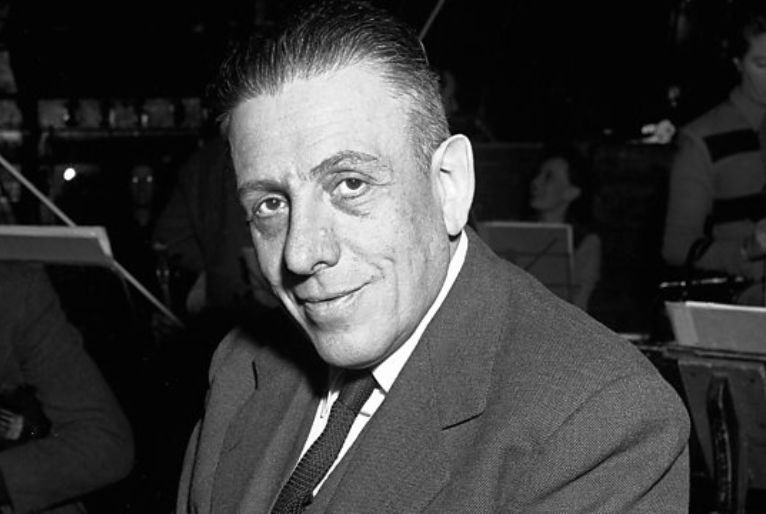
Francis Poulenc was one of the most important French composers of the twentieth century. Known for his distinctive blend of elegance, wit, lyricism, and emotional depth, Poulenc created a body of work that ranged from lighthearted piano pieces and songs to deeply spiritual choral compositions and operas. His music reflected both the sophistication of Parisian culture and the profound personal experiences that shaped his life.
A member of the influential group known as Les Six, Poulenc helped define modern French music between the two World Wars. Although he lacked the formal conservatory training of many of his contemporaries, his natural talent and unique artistic voice earned him international recognition. Today, his compositions remain a vital part of the classical repertoire, admired for their melodic beauty, expressive sincerity, and unmistakable French character.
Childhood
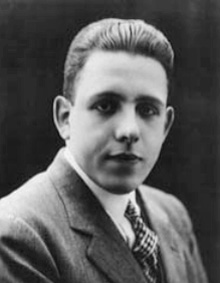
Francis Jean Marcel Poulenc was born on January 7, 1899, in Paris, France. He was the son of Émile Poulenc, a successful businessman and co-founder of a pharmaceutical company, and Jenny Royer-Poulenc, an accomplished amateur pianist. His family was wealthy, cultured, and supportive of the arts.
From an early age, Poulenc was exposed to music in the family home. His mother played piano and introduced him to the works of composers such as Mozart, Schubert, Chopin, and Schumann. She became his first music teacher and had a profound influence on his musical development.
Although his father valued culture, he preferred that his son pursue a practical career rather than become a professional musician. Nevertheless, Francis demonstrated remarkable musical talent during childhood. He began piano lessons at a young age and quickly developed a passion for composition.
The death of his parents during his adolescence deeply affected him. His mother died in 1915, and his father followed two years later. These losses left a lasting emotional impact and forced the young Poulenc to navigate adulthood without the guidance of his family.
Youth
During his teenage years, Poulenc studied piano with Ricardo Viñes, a renowned Spanish pianist who introduced him to many influential artists and composers in Paris. Through Viñes, Poulenc became acquainted with the music of Erik Satie, Claude Debussy, Maurice Ravel, and Igor Stravinsky.
Satie, in particular, became an important influence. Poulenc admired Satie’s simplicity, clarity, and rejection of excessive Romanticism. These qualities would later become hallmarks of his own music.
In 1917, Poulenc achieved his first major success with Rapsodie Nègre. The work attracted attention for its originality, humor, and unconventional style. Around this time, he became associated with a group of young French composers known as Les Six. The group included Georges Auric, Louis Durey, Arthur Honegger, Darius Milhaud, Germaine Tailleferre, and Poulenc himself.
Les Six sought to create a distinctly French musical style that rejected both German Romanticism and Impressionist excess. While each composer maintained an individual voice, their collective association brought Poulenc significant visibility within French musical circles.
After serving briefly in the French Army during World War I, Poulenc returned to Paris and continued developing his career as a composer and pianist.
Adulthood
The 1920s marked the beginning of Poulenc’s mature career. His music became increasingly popular among performers and audiences. Works such as Les Biches demonstrated his gift for melody, rhythmic vitality, and sophisticated humor.
Despite his growing success, Poulenc often struggled with self-doubt. Feeling the need for stronger technical foundations, he studied composition with Charles Koechlin between 1921 and 1924. These studies improved his craftsmanship while allowing him to retain his distinctive musical personality.
Throughout the 1920s and 1930s, Poulenc became a central figure in Parisian artistic life. He collaborated with writers, poets, dancers, and visual artists, including Jean Cocteau and Pablo Picasso. His compositions encompassed chamber music, orchestral works, ballet scores, piano pieces, and songs.
A major turning point occurred in 1936 after the tragic death of his friend Pierre-Octave Ferroud. Deeply affected by the loss, Poulenc experienced a religious reawakening and renewed his commitment to the Roman Catholic faith. This spiritual transformation profoundly influenced his music.
Following this period, he began composing sacred works of extraordinary emotional depth. Pieces such as Litanies à la Vierge Noire revealed a more serious and introspective side of his artistic personality.
During World War II, Poulenc remained in France. Although the occupation created challenges for artists, he continued composing and producing works that reflected both personal and national concerns.
The postwar years brought some of his greatest achievements. His opera Dialogues des Carmélites became one of the most celebrated operas of the twentieth century. The work demonstrated his ability to combine dramatic intensity with spiritual and emotional insight.
Poulenc also enjoyed a successful performing career. He frequently appeared as a pianist, often accompanying singers in performances of his songs. His collaborations with baritone Pierre Bernac were particularly important and helped establish his reputation as one of the greatest composers of French art songs.
Major Compositions
Francis Poulenc composed in virtually every major musical genre except the symphony. His works are characterized by memorable melodies, harmonic elegance, emotional sincerity, and a balance between lightness and seriousness.
Among his most important compositions are:
Orchestral and Ballet Works
- Les Biches (1924)
- Sinfonietta (1947)
- Concerto for Two Pianos (1932)
- Organ Concerto (1938)
The Organ Concerto is often considered one of his masterpieces. It combines dramatic power with spiritual intensity and remains a staple of the concert repertoire.
Chamber Music
- Sonata for Clarinet and Piano
- Sonata for Flute and Piano
- Sonata for Oboe and Piano
- Sextet for Piano and Winds
These works showcase Poulenc’s mastery of instrumental color and his gift for lyrical expression.
Vocal and Choral Music
- Gloria (1959)
- Stabat Mater (1950)
- Figure Humaine (1943)
- Litanies à la Vierge Noire (1936)
His sacred choral music ranks among the finest religious compositions of the twentieth century. These works combine faith, beauty, and emotional directness.
Operas
- Les Mamelles de Tirésias (1947)
- Dialogues des Carmélites (1957)
- La Voix Humaine (1959)
Dialogues des Carmélites is widely regarded as his greatest operatic achievement. Based on historical events during the French Revolution, it explores themes of faith, courage, sacrifice, and martyrdom.
Songs
Poulenc composed more than 150 songs, many based on texts by leading French poets such as Guillaume Apollinaire, Paul Éluard, and Louis Aragon. His songs are considered among the greatest contributions to the French mélodie tradition.
Death
In the final years of his life, Poulenc remained active as both composer and performer. He continued to travel, give concerts, and compose important works.
On January 30, 1963, Francis Poulenc died suddenly of a heart attack in Paris at the age of sixty-four. His death marked the end of a remarkable career that had spanned more than four decades.
He was buried in the Père Lachaise Cemetery in Paris, where many of France’s most celebrated cultural figures are interred.
The musical world mourned the loss of a composer whose works had brought joy, comfort, humor, and spiritual reflection to audiences around the world.
Conclusion
Francis Poulenc occupies a unique position in the history of twentieth-century music. He successfully balanced modernity with tradition, sophistication with accessibility, and humor with profound emotional depth. His compositions reveal a personality full of contrasts: worldly yet spiritual, playful yet serious, elegant yet deeply human.
As a member of Les Six, he helped shape the direction of modern French music, but his achievements extended far beyond that association. Through his operas, sacred music, chamber works, concertos, piano pieces, and songs, Poulenc created a musical legacy that continues to inspire performers and audiences alike.
Today, he is remembered as one of France’s greatest composers, a master melodist whose music speaks directly to the heart while maintaining exceptional artistic refinement. More than sixty years after his death, the works of Francis Poulenc remain vibrant, moving, and unmistakably original.
Comments are closed