Introduction
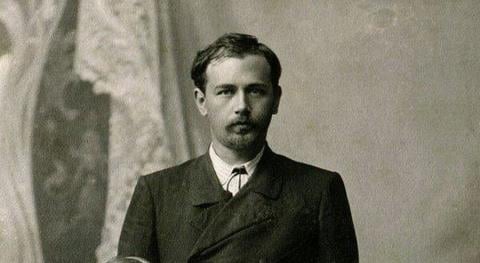
Mykola Leontovych stands among the most influential figures in Ukrainian classical music history. A composer, conductor, teacher, and ethnomusicologist, he is best known throughout the world for creating the choral masterpiece Shchedryk, which later became internationally famous as Carol of the Bells. Although his life was tragically cut short at the age of forty-three, Leontovych left an enduring legacy through his innovative choral arrangements, sacred compositions, and dedication to preserving Ukrainian musical traditions.
Often referred to as the “Ukrainian Bach” because of his mastery of polyphonic writing and choral texture, Leontovych transformed simple folk melodies into sophisticated artistic works. His influence continues to resonate in concert halls, churches, and choirs across the world.
Childhood
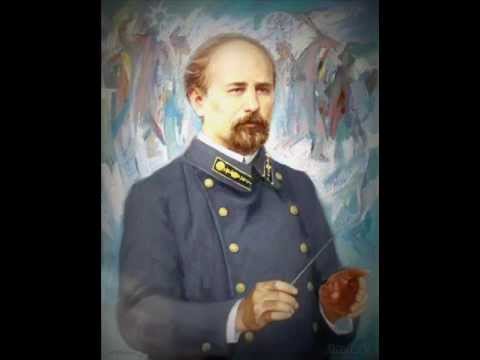
Mykola Dmytrovych Leontovych was born on December 13, 1877, in the village of Monastyrok in the Podolia region of what was then part of the Russian Empire and is now Ukraine. He was born into a family deeply connected to music and religious life. His father, Dmytro Leontovych, served as a village priest and possessed considerable musical talent, playing several instruments and directing church and school choirs. His mother, Mariya, was also a gifted singer who introduced her children to traditional Ukrainian folk songs.
Music became a natural part of Mykola’s daily life from an early age. Under his father’s guidance, he learned to play several instruments and gained experience singing in church choirs. These formative years immersed him in the rich traditions of Ukrainian sacred and folk music, influences that would later define his artistic style.
When the family moved to the village of Shershni, young Mykola continued his education while deepening his musical knowledge. His exceptional abilities soon became apparent, and his parents encouraged him to pursue formal studies.
Youth
In 1887, Leontovych entered the Nemyriv Gymnasium before continuing his education at the Sharhorod Spiritual School. His academic performance was strong, particularly in music, where he quickly distinguished himself as a talented singer and instrumentalist.
He later enrolled at the Kamianets-Podilskyi Theological Seminary. During these years, he studied music theory, choral conducting, harmony, and composition while receiving a traditional religious education. The seminary exposed him to both sacred liturgical traditions and the broader European classical repertoire.
Leontovych graduated in 1899 and began working as a teacher. His first position was in the village of Chukiv, where he taught singing and mathematics. While teaching, he organized choirs and orchestras, collecting local folk songs and experimenting with arrangements. This period marked the beginning of his lifelong mission to preserve and elevate Ukrainian folk music.
In 1902, he married Claudia Zholtkevych. Their marriage was happy, and they would have two daughters. During these years, he continued teaching and refining his compositional skills while balancing family responsibilities.
Adulthood
As an adult, Leontovych devoted himself to music education and composition. He accepted positions at various schools and theological institutions, where he established choirs and amateur orchestras. His reputation as a gifted conductor and arranger steadily grew.
In the early twentieth century, he became increasingly involved in the Ukrainian cultural revival movement. He believed that folk music represented the soul of the Ukrainian people and sought to preserve it through artistic arrangements that combined authenticity with advanced compositional techniques.
Between 1904 and 1908, Leontovych worked in the Donbas region, where he taught music at a railway school. Later, he settled in Tulchyn, a city that became one of the most productive centers of his creative life. There he organized musical societies, directed choirs, and continued composing.
A major turning point occurred in 1909 when he began studying with the distinguished musicologist Boleslav Yavorsky. Under Yavorsky’s guidance, Leontovych deepened his understanding of harmony, counterpoint, and modern compositional methods. This advanced training significantly enhanced the sophistication of his musical language.
Following the Ukrainian Revolution of 1917, Leontovych moved to Kyiv. In the capital, he taught at important musical institutions, participated in cultural organizations, and contributed to the development of a distinct Ukrainian national musical identity. Despite political instability and social upheaval, he remained committed to his artistic mission.
His works gained increasing recognition among professional and amateur choirs. By this time, he had become one of the leading figures in Ukrainian choral music.
Major Compositions
Leontovych composed more than 150 choral works, most of them based on Ukrainian folk melodies. His genius lay in transforming simple traditional tunes into richly textured masterpieces characterized by polyphony, expressive harmonies, and intricate vocal writing.
Shchedryk (Carol of the Bells)
His most famous composition is Shchedryk. Based on a traditional Ukrainian New Year folk song, Leontovych worked on multiple versions of the piece over many years before achieving its final form. The work premiered in Kyiv in 1916 and quickly became one of the most celebrated choral compositions in Ukraine.
In 1936, American composer and conductor Peter J. Wilhousky adapted the melody with new English lyrics, creating Carol of the Bells. Since then, it has become one of the most recognizable Christmas songs in the world.
Dudaryk
Another celebrated work is Dudaryk, an arrangement of a traditional Ukrainian folk song. The piece showcases Leontovych’s skill in creating complex vocal textures while preserving the charm of the original melody.
Sacred Music
Leontovych also made significant contributions to Ukrainian sacred music. His Liturgy of St. John Chrysostom was among the first major liturgical works written in the modern Ukrainian language. This achievement represented an important step in the development of Ukrainian religious music and cultural identity.
Folk Song Arrangements
Many of his finest works are arrangements of traditional songs, including:
- Kozaka nesut (The Cossack Is Carried Away)
- Oi z-za hory snih letyt (Snow Is Flying from Behind the Mountain)
- Zhenchychok-Brenchychok
- Shumlyat, shumlyat dibravy
These compositions demonstrate his ability to blend folk traditions with sophisticated classical techniques.
Na Rusalchyn Velykden (On the Water Nymph’s Easter)
Near the end of his life, Leontovych began work on an ambitious opera based on Ukrainian folklore. Unfortunately, he completed only the first act before his death. The unfinished opera nevertheless reveals his desire to expand beyond choral music into larger dramatic forms.
Death
The final years of Leontovych’s life unfolded during a period of political turmoil following the Russian Revolution and the struggle for Ukrainian independence. Intellectuals, artists, and cultural leaders frequently found themselves caught between competing political forces.
On January 23, 1921, while visiting his parents in the village of Markivka during the Christmas season, Leontovych was murdered by an undercover Soviet security agent named Afanasy Hrishchenko. The agent had been allowed to stay overnight in the family home and shot the composer in the early morning hours before robbing the household.
Leontovych died from blood loss before medical help could arrive. He was only forty-three years old.
His death shocked the Ukrainian cultural community. Many regarded the murder as part of a broader campaign against Ukrainian intellectual and cultural leaders during the early Soviet period.
Conclusion
Mykola Leontovych occupies a unique place in the history of classical music. Through his extraordinary choral arrangements, sacred compositions, and dedication to preserving Ukrainian folk traditions, he created a musical language that was both deeply national and universally appealing.
Although his career lasted little more than two decades, his influence has endured for more than a century. His masterpiece Shchedryk, known worldwide as Carol of the Bells, remains one of the most performed choral works in history. Yet his legacy extends far beyond a single composition. He helped establish the foundations of modern Ukrainian choral music and inspired generations of composers, conductors, and performers.
Today, Leontovych is remembered not only as a brilliant musician but also as a cultural visionary whose work preserved the spirit of a nation. His music continues to resonate across continents, ensuring that his artistic voice remains alive for future generations.
Comments are closed