Introduction
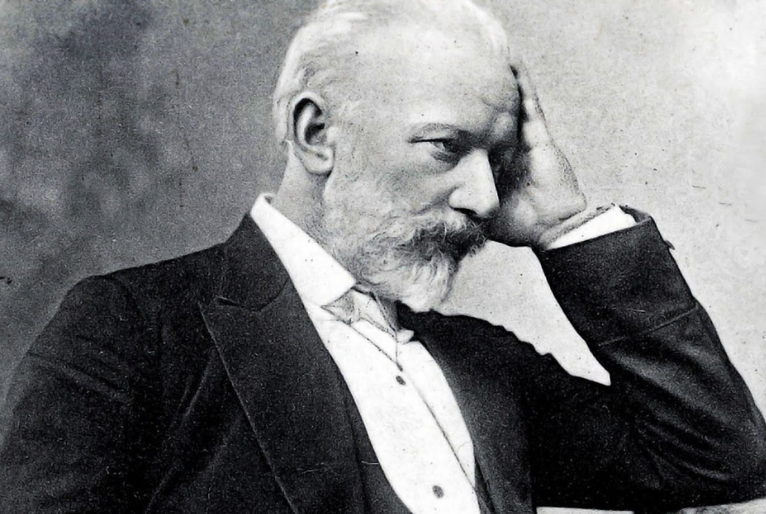
Pyotr Ilyich Tchaikovsky remains one of the most beloved and influential composers in the history of classical music. His works combine profound emotional depth, memorable melodies, and brilliant orchestration, making them favorites among audiences worldwide. Although he lived during the nineteenth century, his music continues to resonate with listeners of all generations. Tchaikovsky’s compositions include symphonies, operas, ballets, concertos, chamber music, and choral works, many of which have become permanent fixtures of the classical repertoire.
Unlike some of his Russian contemporaries who sought to create a distinctly national style, Tchaikovsky successfully blended Russian musical traditions with Western European techniques. This unique combination helped him achieve international fame during his lifetime and secured his place among the greatest composers of all time.
Childhood
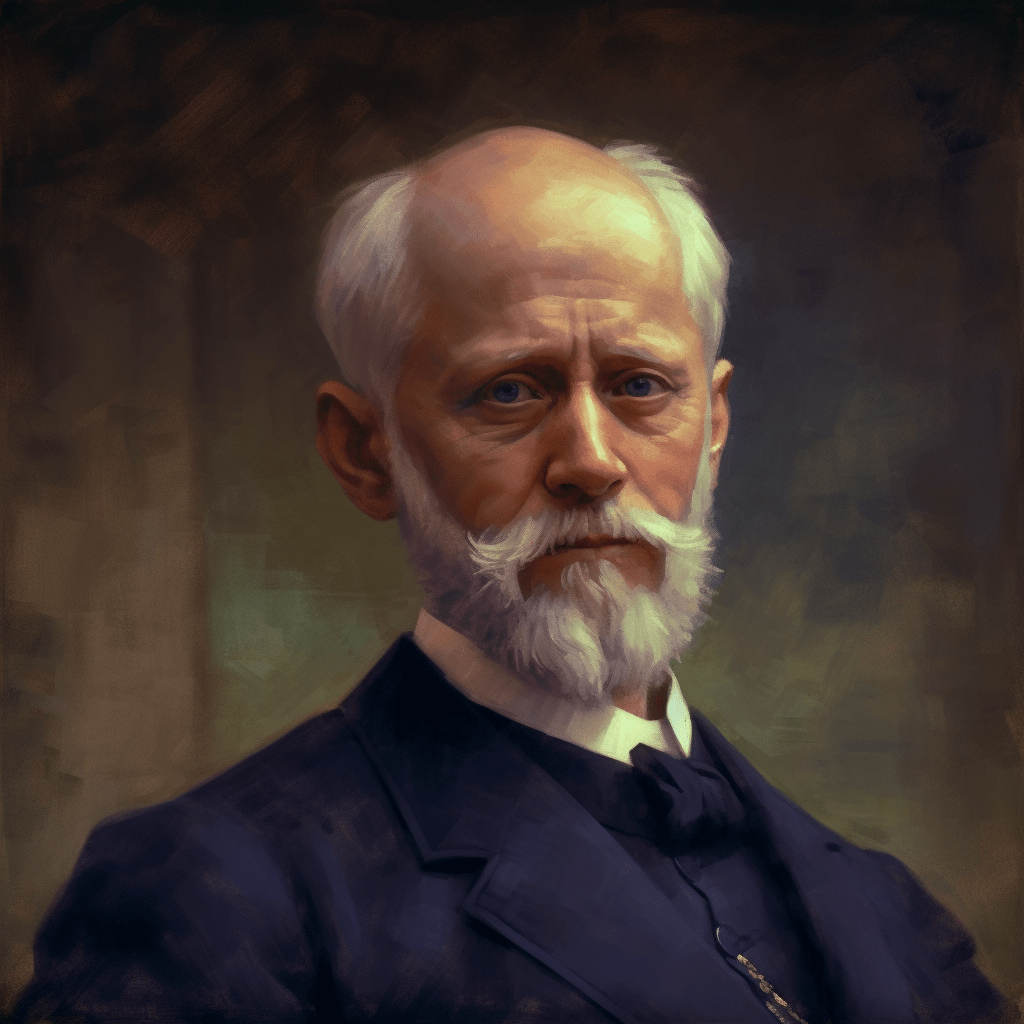
Pyotr Ilyich Tchaikovsky was born on May 7, 1840, in Votkinsk, a small industrial town in the Russian Empire. His father, Ilya Petrovich Tchaikovsky, was a successful mining engineer, while his mother, Alexandra Andreyevna, came from a cultured family and played an important role in nurturing her son’s artistic interests.
From an early age, Tchaikovsky displayed remarkable musical sensitivity. He learned to play the piano as a child and quickly demonstrated an exceptional ability to recognize melodies and harmonies. Family members often noted his emotional nature and strong attachment to music.
Despite his evident musical talent, his parents initially did not consider music a suitable profession. As a result, Tchaikovsky received a conventional education designed to prepare him for a career in government service. Nevertheless, music remained a constant source of comfort and inspiration throughout his childhood.
A significant tragedy occurred when Tchaikovsky was fourteen years old. His mother died of cholera, a loss that deeply affected him and left emotional scars that would influence his personality and artistic expression for the rest of his life.
Youth
In 1850, Tchaikovsky moved to Saint Petersburg to attend the prestigious Imperial School of Jurisprudence. The institution trained young men for careers in the Russian civil service. Although he performed well academically, his true passion remained music.
After graduating in 1859, Tchaikovsky accepted a position in the Ministry of Justice. However, he soon realized that a bureaucratic career could not satisfy his artistic ambitions. During this period, Russia’s musical culture was undergoing rapid development, and opportunities for formal musical education were expanding.
In 1862, Tchaikovsky enrolled at the newly established Saint Petersburg Conservatory, where he studied composition under Anton Rubinstein. The conservatory provided rigorous training in harmony, counterpoint, orchestration, and musical form. Tchaikovsky excelled in his studies and quickly distinguished himself as one of the institution’s most promising students.
His education exposed him to the works of major European composers such as Mozart, Beethoven, Schumann, and Mendelssohn. These influences would later shape his compositional style and contribute to the cosmopolitan character of his music.
Adulthood
After graduating from the conservatory in 1865, Tchaikovsky accepted a teaching position at the Moscow Conservatory, which had recently been founded by Anton Rubinstein’s brother, Nikolai Rubinstein. This appointment provided financial stability and allowed him to focus on composing.
The following decades witnessed the steady growth of his reputation. He composed symphonies, operas, orchestral works, and chamber music, gradually becoming one of Russia’s leading composers. Despite his professional success, Tchaikovsky often struggled with self-doubt, anxiety, and emotional turmoil.
One of the most difficult episodes of his life occurred in 1877 when he entered a brief and unsuccessful marriage with Antonina Milyukova. The relationship quickly collapsed and caused him considerable psychological distress. Shortly afterward, he found support through an unusual friendship with Nadezhda von Meck, a wealthy widow who became his patron. Although they corresponded extensively for many years, they never met face to face. Her financial assistance enabled Tchaikovsky to devote himself entirely to composition.
Throughout the 1880s and early 1890s, Tchaikovsky achieved international recognition. He conducted his own works across Europe and gained admirers in the United States. In 1891, he traveled to America and participated in the opening celebrations of Carnegie Hall in New York City, further enhancing his global reputation.
By the final years of his life, he was widely regarded as Russia’s most prominent composer and one of the leading musical figures of the world.
Major Compositions
Tchaikovsky’s output encompasses virtually every major musical genre of his era. His ability to combine emotional intensity with technical mastery resulted in numerous masterpieces.
Symphonies
Among his most celebrated orchestral works are the Symphony No. 4, Symphony No. 5, and Symphony No. 6, known as the “Pathétique.” These compositions explore themes of fate, struggle, despair, and triumph, demonstrating extraordinary emotional depth and structural sophistication.
Ballets
Tchaikovsky revolutionized ballet music by creating scores of unprecedented artistic quality. His three most famous ballets are:
- Swan Lake (1876)
- The Sleeping Beauty (1889)
- The Nutcracker (1892)
These works remain central to ballet companies worldwide and are among the most frequently performed compositions in classical music.
Concertos
His Piano Concerto No. 1 is one of the most popular concertos ever written. The work’s powerful opening and lyrical themes have made it a favorite among pianists and audiences alike.
His Violin Concerto in D Major also occupies a prominent place in the violin repertoire and is considered one of the greatest concertos for the instrument.
Operas
Tchaikovsky composed several operas, but two stand above the rest:
- Eugene Onegin
- The Queen of Spades
Both operas reveal his gift for dramatic storytelling and psychological characterization.
Other Notable Works
Additional masterpieces include:
- Romeo and Juliet Fantasy Overture
- 1812 Overture
- Serenade for Strings
- Capriccio Italien
- Francesca da Rimini
- Variations on a Rococo Theme
These works continue to showcase the composer’s remarkable melodic imagination and orchestral brilliance.
Death
In October 1893, Tchaikovsky completed and premiered his Symphony No. 6, the “Pathétique.” The work was deeply personal and is often viewed as his artistic farewell.
Only days after conducting the symphony’s premiere in Saint Petersburg, Tchaikovsky became seriously ill. He died on November 6, 1893, at the age of fifty-three.
The official cause of death was cholera, reportedly contracted from contaminated water. However, over the years various alternative theories have emerged regarding the circumstances surrounding his death. Despite continuing debate among historians, no definitive evidence has displaced the traditional explanation.
His death shocked the musical world. Thousands attended memorial services, and tributes poured in from across Russia and Europe. The loss was widely regarded as one of the greatest tragedies in the history of Russian music.
Conclusion
Pyotr Ilyich Tchaikovsky occupies a unique place in the history of classical music. Through his extraordinary gift for melody, emotional expression, and orchestral color, he created works that continue to captivate audiences more than a century after his death.
His symphonies explore the deepest aspects of human emotion, his ballets transformed an entire art form, and his concertos and operas remain cornerstones of the classical repertoire. While his life was marked by personal struggles and emotional challenges, these experiences often enriched his artistic voice and contributed to the enduring power of his music.
Comments are closed