Introduction
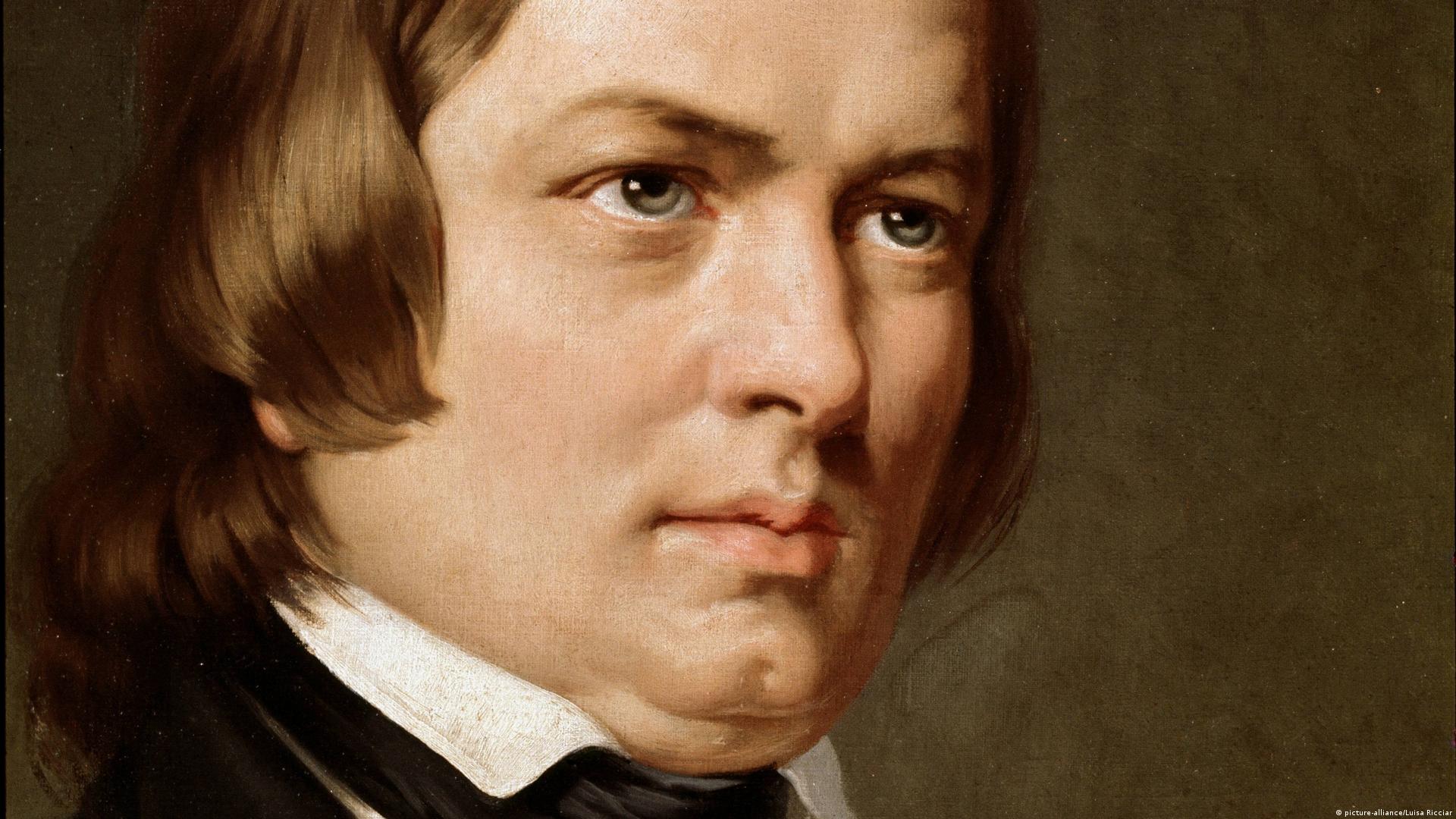
Robert Schumann stands among the most influential composers of the Romantic era. A gifted pianist, composer, music critic, and intellectual, he helped shape nineteenth-century music through both his compositions and his writings about art and culture. His works are renowned for their emotional depth, poetic imagination, and innovative musical language. Throughout his life, Schumann sought to unite literature and music, creating compositions that expressed profound feelings, vivid imagery, and complex psychological states.
Although his career was marked by remarkable artistic achievements, it was also overshadowed by personal struggles, including recurring mental illness. Despite these challenges, Schumann produced an extraordinary body of work that continues to be celebrated worldwide. His contributions to piano music, songs, chamber music, orchestral works, and choral compositions established him as one of the central figures of Romantic music.
Childhood
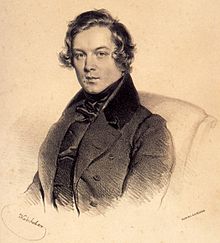
Robert Schumann was born on June 8, 1810, in Zwickau, Saxony, a region that was then part of the Kingdom of Saxony and is now located in Germany. He was the youngest of five children born to August Schumann and Johanna Christiane Schnabel.
His father was a successful bookseller, publisher, and novelist who encouraged intellectual pursuits and fostered a love of literature in his son. From an early age, Robert was surrounded by books and developed a passion for reading. He became deeply interested in the works of poets and writers such as Jean Paul, Friedrich Schiller, and Johann Wolfgang von Goethe. These literary influences would later play a significant role in shaping his musical style.
Schumann displayed musical talent during childhood and began studying piano at an early age. His teacher, Johann Gottfried Kuntsch, recognized his abilities, although Schumann remained largely self-motivated. He experimented with composing while still a boy, writing short pieces and songs inspired by the literature he admired.
The death of his father in 1826 had a profound impact on the young Schumann. Without his father’s guidance and support, he faced increasing pressure from his family to pursue a more practical career. Nevertheless, his passion for music remained strong.
Youth
Following his family’s wishes, Schumann enrolled at the University of Leipzig in 1828 to study law. However, his interest in legal studies was minimal. Instead, he devoted much of his time to music, literature, and social life. He attended concerts, practiced piano extensively, and immersed himself in Leipzig’s vibrant cultural environment.
During this period, Schumann began studying piano seriously under the renowned teacher Friedrich Wieck. Wieck was one of the most respected piano instructors in Europe and recognized Schumann’s extraordinary potential as a performer. Schumann dreamed of becoming a virtuoso pianist capable of rivaling the greatest musicians of his generation.
Unfortunately, his ambitions suffered a devastating setback. In an effort to strengthen the fingers of his right hand, Schumann reportedly used a mechanical device that damaged his hand permanently. Modern scholars continue to debate the exact cause of the injury, but the result was clear: his hopes for a career as a concert pianist were effectively destroyed.
Rather than abandoning music, Schumann redirected his energies toward composition and criticism. This turning point ultimately benefited the musical world, as it allowed him to focus on creating the works for which he would become famous.
In the early 1830s, Schumann also developed a close relationship with Friedrich Wieck’s daughter, Clara Wieck. Clara was a child prodigy and one of the most gifted pianists of her generation. Their relationship would become one of the most significant and celebrated partnerships in music history.
Adulthood
The 1830s marked the beginning of Schumann’s mature artistic career. In 1834, he founded the influential music journal Neue Zeitschrift für Musik (New Journal for Music). Through this publication, he championed talented young composers and criticized what he considered superficial trends in contemporary music.
As a critic, Schumann demonstrated remarkable insight. He was among the first to recognize the genius of several composers, including Frédéric Chopin and Johannes Brahms. His writings helped shape public understanding of Romantic music and established his reputation as an important intellectual figure.
Meanwhile, his romance with Clara Wieck faced fierce opposition from her father. Friedrich Wieck believed that Schumann lacked the financial stability and emotional maturity necessary for marriage. After years of legal disputes and family conflict, Robert and Clara finally married in 1840.
Their marriage became one of the most remarkable artistic partnerships in music history. Clara continued her successful concert career while supporting her husband’s compositions. Together they had eight children.
The year of their marriage was especially productive for Schumann. Inspired by his happiness and emotional fulfillment, he composed an extraordinary number of songs. This period became known as his “Year of Song” and produced many of his greatest vocal works.
Throughout the 1840s and 1850s, Schumann expanded his creative focus beyond piano music. He composed symphonies, chamber music, concertos, and large-scale choral works. His reputation grew steadily across Europe.
However, Schumann’s mental health increasingly deteriorated. He experienced severe mood swings, anxiety, depression, and auditory hallucinations. These episodes became more frequent as he grew older and gradually affected both his personal life and professional activities.
In 1850, Schumann accepted the position of Municipal Music Director in Düsseldorf. Although he continued composing important works, his difficulties with conducting and administration became increasingly apparent. His declining mental condition eventually made it impossible for him to fulfill his responsibilities effectively.
Major Compositions
Robert Schumann’s catalog encompasses nearly every major musical genre of the Romantic period. His works are admired for their poetic character, emotional intensity, and imaginative structures.
Among his most significant piano compositions are:
- Carnaval, Op. 9
- Papillons, Op. 2
- Kreisleriana, Op. 16
- Kinderszenen (Scenes from Childhood), Op. 15
- Arabeske, Op. 18
- Fantasie in C Major, Op. 17
His songs represent some of the greatest achievements in the German Lied tradition. Notable examples include:
- Dichterliebe (A Poet’s Love), Op. 48
- Frauenliebe und Leben (A Woman’s Love and Life), Op. 42
- Liederkreis, Op. 39
- Myrthen, Op. 25
Schumann also made major contributions to orchestral music through works such as:
- Symphony No. 1 in B-flat Major (“Spring”)
- Symphony No. 2 in C Major
- Symphony No. 3 in E-flat Major (“Rhenish”)
- Symphony No. 4 in D Minor
His most famous concerto is the Piano Concerto in A Minor, Op. 54, which remains one of the most frequently performed piano concertos in the repertoire.
In chamber music, his notable works include:
- Piano Quintet in E-flat Major, Op. 44
- Piano Quartet in E-flat Major, Op. 47
- Three String Quartets, Op. 41
These compositions reveal Schumann’s remarkable ability to combine lyrical beauty with structural innovation, making them enduring staples of concert programs worldwide.
Death
By the early 1850s, Schumann’s mental illness had become increasingly severe. He suffered from hallucinations, insomnia, and profound emotional instability. In February 1854, he experienced a major psychological crisis. Believing he was being tormented by spirits and hearing imaginary music, he left his home and attempted suicide by throwing himself into the Rhine River.
He was rescued by nearby boatmen and returned home. Recognizing the seriousness of his condition, Schumann voluntarily entered a private asylum in Endenich near Bonn.
For more than two years, he remained under medical care. During this period, his contact with family members was restricted, although Clara and close friends continued to support him. His condition fluctuated, but he never fully recovered.
On July 29, 1856, Robert Schumann died at the age of forty-six in Endenich. The exact medical causes of his illness remain the subject of scholarly debate. Various theories have been proposed, including bipolar disorder, schizophrenia, neurological disease, and complications related to other health conditions.
His death marked the tragic end of one of the most creative and influential lives in the history of Western music.
Conclusion
Robert Schumann remains one of the defining figures of the Romantic era. His music captures the emotional richness, imagination, and individuality that characterized nineteenth-century artistic culture. Through his compositions, criticism, and advocacy for emerging talent, he helped shape the course of European music.
His partnership with Clara Schumann stands as one of the great artistic collaborations in history, while his support of younger composers helped nurture future generations. Despite enduring personal suffering and mental illness, Schumann produced works of extraordinary beauty and originality.
Today, his piano pieces, songs, symphonies, chamber music, and concertos continue to inspire performers and audiences around the world. His legacy endures not only through his music but also through his vision of art as a profound expression of the human spirit.
Comments are closed