Introduction
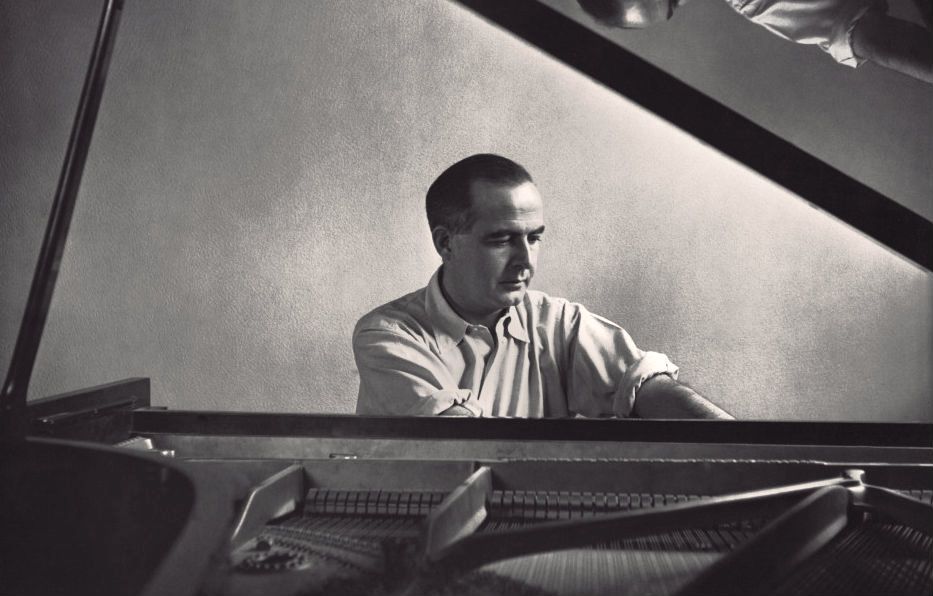
Samuel Barber stands among the most celebrated American composers of the twentieth century. At a time when many composers embraced radical experimentation and avant-garde techniques, Barber remained devoted to lyricism, emotional depth, and traditional musical structures. His music combined Romantic expressiveness with modern harmonic language, creating works that were both sophisticated and accessible.
Best known for his masterpiece Adagio for Strings, Barber achieved international acclaim during his lifetime and became one of the most frequently performed American composers. His career spanned orchestral music, chamber music, opera, vocal works, and concertos, earning him numerous honors, including two Pulitzer Prizes.
Through his ability to communicate profound human emotions, Barber left a lasting legacy that continues to resonate with audiences around the world.
Childhood
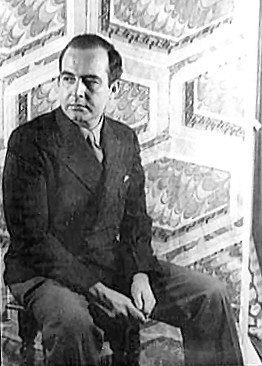
Samuel Osmond Barber II was born on March 9, 1910, in West Chester, Pennsylvania. He grew up in a cultured and supportive family that encouraged artistic pursuits. His father, Samuel Le Roy Barber, was a physician, while his mother, Marguerite McLeod Beatty Barber, was an accomplished pianist.
Music played a central role in the household. Barber’s aunt, Louise Homer, was one of the leading contraltos at the Metropolitan Opera, and his uncle, Sidney Homer, was a respected composer of art songs. These family connections exposed the young Barber to high-level musical artistry from an early age.
A child prodigy, Barber demonstrated remarkable musical abilities almost immediately. He began studying piano at the age of six and composed his first piece at seven. By the age of ten, he had written a short operetta titled The Rose Tree. Even as a child, Barber knew he wanted to become a composer. In a famous letter to his mother, he expressed his determination to pursue music professionally rather than follow a more conventional career path.
At twelve years old, he became an organist at a local church, further developing his practical musical skills and deepening his understanding of sacred and vocal music.
Youth
Barber’s extraordinary talent led him to enter the Curtis Institute of Music in Philadelphia in 1924 at the age of fourteen. The institute was one of America’s most prestigious music schools and would play a defining role in his artistic development.
At Curtis, Barber studied piano, composition, conducting, and voice. His composition teacher was Rosario Scalero, whose rigorous training helped Barber develop exceptional technical skills. He also studied conducting with Fritz Reiner, one of the most influential conductors of the twentieth century.
During his years at Curtis, Barber formed a lifelong friendship and personal relationship with fellow student Gian Carlo Menotti, who would later become a distinguished composer in his own right. The two men shared both artistic and personal bonds that lasted for decades. Menotti would eventually write the librettos for some of Barber’s operatic works.
Barber was not only a gifted composer but also an accomplished baritone. During the 1930s, he occasionally performed as a singer and even appeared on radio broadcasts. Nevertheless, composition remained his primary focus.
His talent quickly attracted attention. He won several important awards while still a young man, including the Joseph H. Bearns Prize from Columbia University. Early compositions such as The School for Scandal demonstrated a maturity and confidence that marked him as one of America’s most promising young composers.
Adulthood
The 1930s and 1940s witnessed Barber’s rise to international prominence. His reputation grew steadily through a series of successful orchestral and chamber works. In 1938, the legendary conductor Arturo Toscanini conducted performances of Barber’s Essay for Orchestra and Adagio for Strings. Toscanini’s endorsement brought Barber unprecedented recognition and established him as a major figure in American music.
Adagio for Strings became one of the most beloved orchestral works of the twentieth century. Its deeply emotional character has led to its use in national memorials, funerals, films, and moments of public mourning.
During World War II, Barber served in the United States Army Air Forces. While in military service, he continued composing and produced works inspired by wartime experiences, including his Second Symphony.
Following the war, Barber enjoyed a period of extraordinary productivity. He composed concertos, songs, orchestral works, and operas that were performed by leading musicians and orchestras throughout the world.
One of his greatest triumphs came with the opera Vanessa, which premiered in 1958 at the Metropolitan Opera. The work received widespread acclaim and earned Barber the Pulitzer Prize for Music. His Piano Concerto later won a second Pulitzer Prize in 1963.
Despite these successes, Barber faced challenges during the later stages of his career. The musical world increasingly favored avant-garde styles and serial techniques, trends that differed greatly from Barber’s lyrical and Romantic approach. Although some critics viewed his style as conservative, Barber remained committed to his artistic vision.
A particularly difficult moment occurred in 1966 with the premiere of Antony and Cleopatra, commissioned to open the new Metropolitan Opera House at Lincoln Center. Technical and production difficulties overshadowed the work, and the opera initially received a disappointing reception. Although later revisions improved its standing, the experience deeply affected Barber.
Throughout his career, however, he remained one of America’s most respected composers and continued to produce significant works despite changing musical fashions.
Major Compositions
Samuel Barber’s catalog includes many masterpieces that have secured his place in music history.
Adagio for Strings (1936)
Originally the slow movement of his String Quartet, this work was later arranged for string orchestra. It became Barber’s most famous composition and one of the most recognizable pieces of American classical music. Its emotional intensity has made it a universal symbol of grief, remembrance, and reflection.
Symphony No. 1 (1936)
A remarkable achievement for a young composer, this symphony demonstrated Barber’s mastery of orchestral form and Romantic expression.
Essay for Orchestra No. 1 (1938)
This innovative orchestral work showcased Barber’s ability to develop musical ideas with clarity and dramatic momentum.
Violin Concerto (1939)
Among the most beloved violin concertos of the twentieth century, this work combines lyrical beauty with technical brilliance.
Knoxville: Summer of 1915 (1947)
Based on a text by James Agee, this lyrical work for soprano and orchestra captures childhood memories and nostalgia with extraordinary sensitivity.
Piano Sonata (1949)
One of Barber’s most powerful piano works, the sonata is admired for its complexity, virtuosity, and emotional depth.
Hermit Songs (1953)
A song cycle based on texts written by medieval Irish monks, these songs display Barber’s gift for vocal writing and literary interpretation.
Vanessa (1958)
This opera earned Barber his first Pulitzer Prize and remains one of the most successful American operas of the twentieth century.
Piano Concerto (1962)
Commissioned for the opening of Lincoln Center’s Philharmonic Hall, this concerto won Barber his second Pulitzer Prize.
Antony and Cleopatra (1966)
Although initially controversial, this ambitious opera has gained greater appreciation through later performances and revisions.
Death
In his later years, Barber lived a quieter life while continuing to compose and revise earlier works. Although his public profile diminished somewhat as musical tastes shifted, his reputation among performers and audiences remained strong.
Barber suffered from cancer during the final years of his life. He died on January 23, 1981, in New York City at the age of seventy.
His death marked the end of a remarkable career that had spanned more than five decades. Musicians, critics, and audiences throughout the world mourned the loss of a composer whose music had touched countless lives.
Conclusion
Samuel Barber occupies a unique position in American musical history. While many twentieth-century composers pursued increasingly abstract and experimental styles, Barber remained faithful to melody, emotional expression, and lyrical beauty. His music demonstrated that modern composition could be innovative without abandoning its connection to human feeling.
Today, Barber is remembered as one of the greatest American composers of all time. Works such as Adagio for Strings, Knoxville: Summer of 1915, the Violin Concerto, and Vanessa continue to be performed regularly by major orchestras, opera companies, and soloists around the world.
His enduring popularity reflects the universal appeal of his music. Through its emotional honesty, technical mastery, and expressive power, Samuel Barber’s legacy remains as vibrant and meaningful today as it was during his lifetime.
Comments are closed