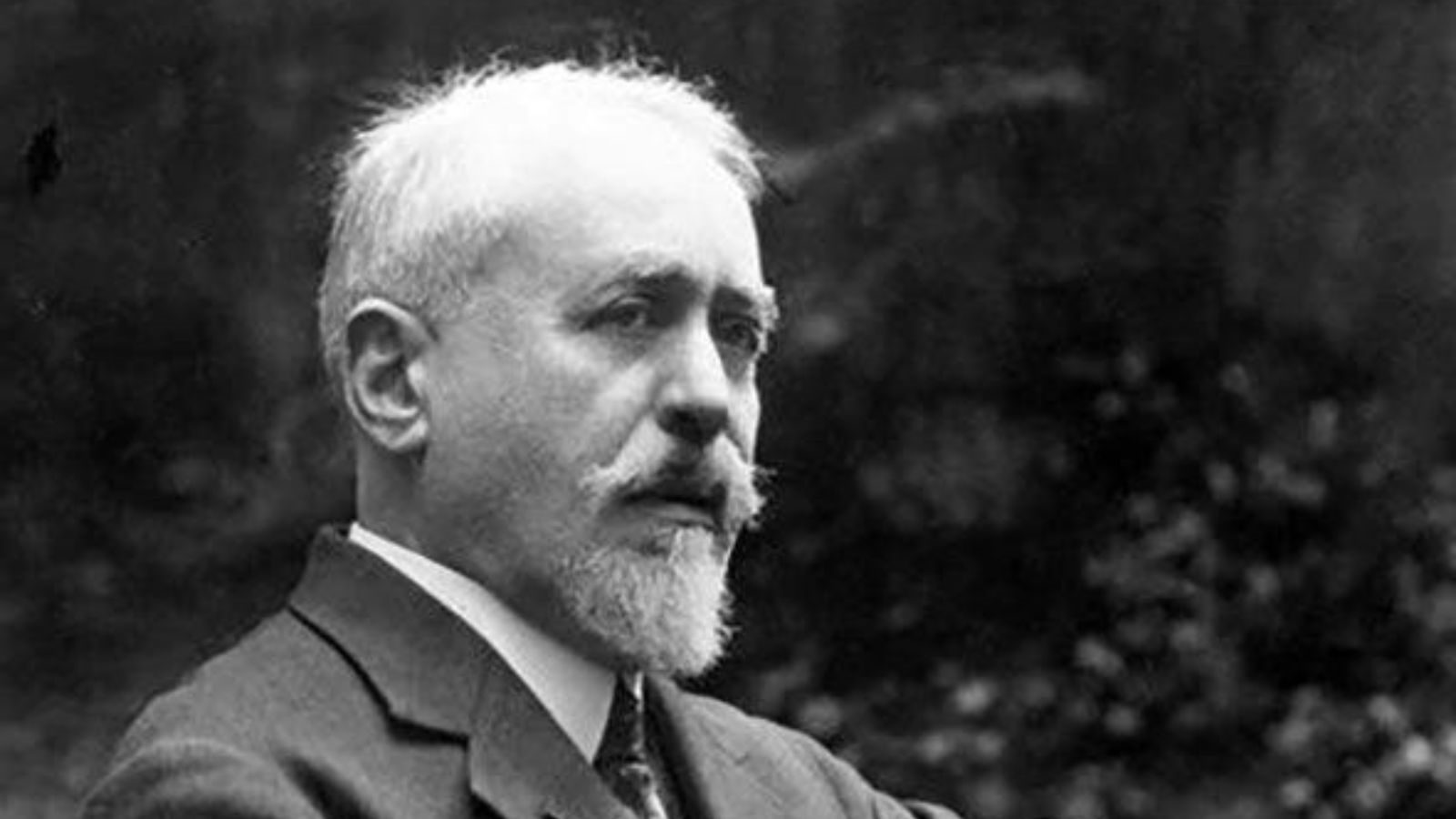
Paul Dukas – A Complete Biography
Introduction
Paul Abraham Dukas was a French composer, critic, and teacher whose career bridged the Romantic and early modern periods of Western classical music. Although he produced a relatively small body of work, Dukas’s music is renowned for its craftsmanship, harmonic richness, and emotional intensity. His best-known composition, The Sorcerer’s Apprentice, achieved worldwide fame and became emblematic of French orchestral brilliance. Yet, behind this single celebrated piece lies a composer of great intellect, perfectionism, and refinement—an artist who contributed deeply to the development of 20th-century French music through both his compositions and his influence as a teacher.
Childhood
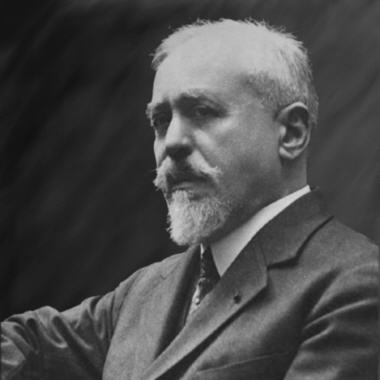
Paul Dukas was born on October 1, 1865, in Paris, France, into a cultured family. His father, Jules Dukas, was a banker of Jewish descent, while his mother, Eugénie Abraham, who died when Paul was a child, was known for her musical talent and artistic sensibility. Growing up in an environment that valued education and culture, young Paul showed an early interest in music. His father encouraged him to pursue music seriously after recognizing his aptitude for composition and piano.
Dukas received his early education in Paris, where his musical abilities quickly became evident. The sounds of the French capital—the orchestras, church music, and the rich cultural scene of the late 19th century—formed the backdrop of his childhood and helped shape his early musical imagination.
Youth
At the age of fourteen, Dukas entered the Paris Conservatoire, one of Europe’s most prestigious musical institutions. There he studied piano, harmony, and composition under renowned teachers such as Théodore Dubois and Ernest Guiraud. Dukas’s fellow students included Claude Debussy, with whom he shared a close, if sometimes competitive, friendship. The environment of the Conservatoire was rigorous and traditional, and Dukas quickly earned a reputation for his seriousness and intellect.
In 1888, he composed his Overture to Polyeucte, a work that already demonstrated his command of orchestral writing and a deep sense of drama. Despite his evident talent, Dukas did not win the coveted Prix de Rome—a disappointment that would mark him deeply and influence his perfectionist nature. However, his early works began to show the hallmarks of his mature style: clarity, precision, and emotional restraint combined with technical brilliance.
Adulthood
By the 1890s, Dukas had begun to make his mark in Parisian musical circles as both a composer and a critic. He wrote insightful reviews and essays for publications such as La Revue Hebdomadaire and La Gazette des Beaux-Arts, where his analytical and thoughtful writing earned him great respect. His criticism reflected a deep commitment to artistic integrity and intellectual honesty—qualities that also defined his compositions.
Dukas was a contemporary of Debussy and Ravel but followed his own distinctive musical path. While he admired Debussy’s innovations, Dukas’s music remained rooted in classical form and counterpoint. He was fascinated by Beethoven’s architecture, Berlioz’s orchestral color, and Wagner’s harmonic language, fusing these influences into a personal idiom that balanced emotion with discipline.
In 1897, Dukas premiered The Sorcerer’s Apprentice (L’Apprenti sorcier), a symphonic scherzo inspired by Goethe’s poem. The piece was an immediate success and remains one of the most recognizable works in the orchestral repertoire. Ironically, its immense popularity overshadowed much of his other music. Dukas, ever self-critical, destroyed many of his compositions that he deemed unsatisfactory, leaving only a handful of published works.
He later composed Ariane et Barbe-Bleue, an opera premiered in 1907, which many critics consider his masterpiece. The opera’s rich orchestration and psychological depth show Dukas at his most mature and confident. He also wrote La Péri (1912), a ballet in one scene notable for its luxurious harmonies and delicate textures.
In 1910, Dukas joined the faculty of the Paris Conservatoire, where he became one of the most respected composition teachers of his generation. Among his pupils were Olivier Messiaen, Joaquín Rodrigo, and Jehan Alain, all of whom would go on to shape modern music in profound ways. Dukas’s teaching emphasized craftsmanship, clarity of thought, and the pursuit of artistic truth—values he lived by throughout his life.
Major Compositions
Though his catalog is small, Dukas’s surviving works display remarkable variety and mastery:
- Overture to Polyeucte (1891): A dramatic and symphonic work that reveals his early grasp of orchestral form.
- Symphony in C major (1896): A large-scale, noble composition in the classical tradition of Beethoven and Franck.
- The Sorcerer’s Apprentice (L’Apprenti sorcier, 1897): His most famous work, filled with vivid orchestral imagery and humor.
- Piano Sonata in E-flat minor (1901): A monumental and technically demanding piece that rivals the piano sonatas of Liszt and Beethoven.
- Variations, Interlude and Finale on a Theme by Rameau (1903): A masterful synthesis of Baroque inspiration and modern harmonic language.
- Ariane et Barbe-Bleue (1907): An opera combining symbolism, Wagnerian color, and refined orchestral technique.
- La Péri (1912): A ballet that stands as one of his most luminous and refined creations.
Each of these compositions reflects Dukas’s relentless pursuit of perfection and his balance between Romantic expressiveness and classical structure.
Death
Paul Dukas led a reserved and scholarly life, avoiding the limelight. His modesty and perfectionism made him one of the most enigmatic figures in French music. In his later years, he wrote little, focusing instead on teaching and reflection. He continued to influence younger generations of composers through his wisdom and high artistic standards.
Dukas died on May 17, 1935, in Paris, at the age of sixty-nine. He was buried at Père Lachaise Cemetery, among many other luminaries of French culture. His passing marked the end of an era in which intellectual rigor and poetic sensibility coexisted in perfect harmony.
Conclusion
Paul Dukas remains a singular figure in the history of classical music—an artist of few works but immense influence. His legacy lies not only in the enduring popularity of The Sorcerer’s Apprentice but also in the precision, depth, and beauty of all his surviving compositions. As a teacher, critic, and composer, he embodied the ideals of artistic integrity and intellectual discipline. Though his perfectionism led him to destroy much of his work, what remains continues to inspire musicians and listeners alike. Dukas’s music reflects the best of French artistry: clarity of form, subtlety of color, and a balance between emotion and intellect that speaks across generations.
Comments are closed