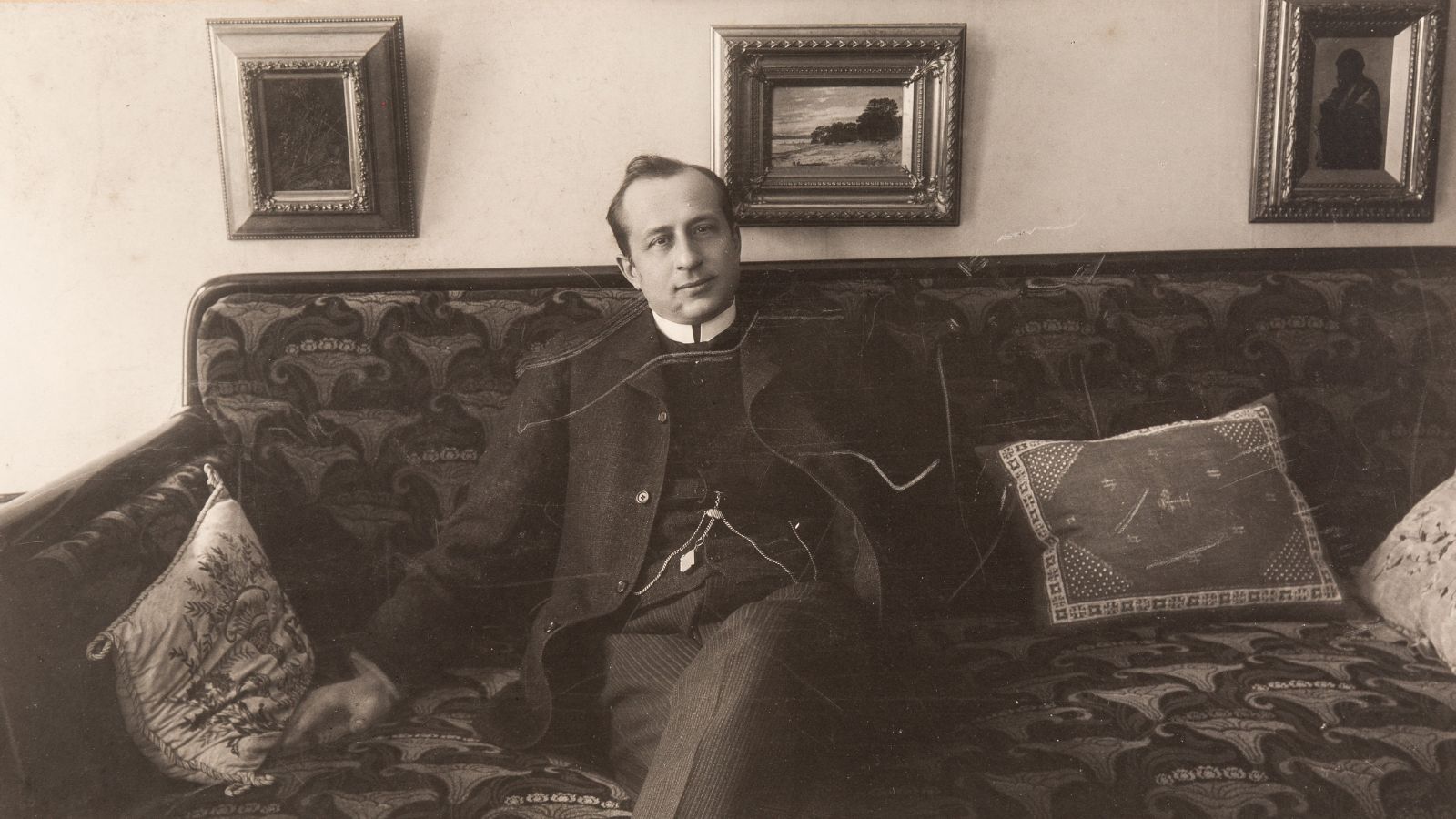
Alexander Siloti – A Complete Biography
Introduction
Alexander Siloti (also spelled Ziloti), born on October 9, 1863, and deceased on December 8, 1945, was a Russian-born pianist, conductor, composer, editor, and teacher whose career left a profound mark on classical music. Trained by the greatest musicians of the 19th century, he became an important bridge between the Romantic tradition and the emerging musical culture of the 20th century. Throughout his life, Siloti distinguished himself as a dazzling performer, a visionary concert organizer, an influential pedagogue, and an expert arranger whose transcriptions are still performed today. Although not as widely recognized today, his influence remains foundational in modern classical music performance and education.
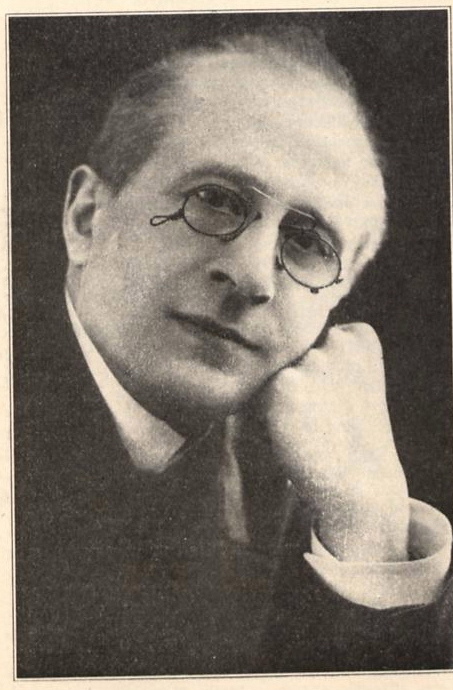
Childhood
Alexander Siloti was born on his family’s estate near Kharkov (present-day Kharkiv, Ukraine), then part of the Russian Empire. He grew up in a cultured and musically inclined household. His father, a landowner, played the violin, and his mother came from a family with a strong tradition of singing and musicianship. Music surrounded him from a young age, and he showed an early affinity for the piano.
Through his mother’s lineage, Siloti was a first cousin of Sergei Rachmaninoff, who would later become one of the greatest composer-pianists of all time. This familial connection helped foster a close musical dialogue between the two over their lifetimes, with Siloti eventually playing a significant role in shaping Rachmaninoff’s early career.
Youth and Education
At the age of eight, Siloti moved to Moscow to begin formal musical training. He was accepted into the household of renowned piano pedagogue Nikolai Zverev, whose strict discipline and rigorous instruction molded many of Russia’s greatest pianists. Siloti thrived under Zverev’s demanding curriculum and soon entered the Moscow Conservatory.
There he studied piano under Nikolai Rubinstein and received instruction in composition, theory, harmony, and counterpoint from some of the leading musical minds of the era, including Pyotr Ilyich Tchaikovsky, Sergei Taneyev, and Nikolai Hubert. His progress was remarkable, and in 1881 he graduated with the Conservatory’s prestigious gold medal in piano.
Adulthood — Early Career, Teaching, and Concert Life
After graduation, Siloti traveled to Weimar, Germany, to study with Franz Liszt, one of the most influential musicians of the century. Liszt quickly recognized Siloti’s talent, praising him for his technical command and interpretive insight. Siloti remained closely connected to Liszt until the latter’s death in 1886.
Returning to Russia in 1887, Siloti accepted a professorship at the Moscow Conservatory, where he taught several rising musicians, including his cousin Sergei Rachmaninoff. In the same year, he married Vera Tretyakova, the daughter of famed Moscow art collector Pavel Tretyakov. The couple later lived in Leipzig and traveled extensively as Siloti built an international concert career.
Through the 1890s he toured widely across Europe and the United States, performing in major cultural centers and earning acclaim for his powerful yet refined pianism. Siloti became known not only as a performer but also as a conductor and musical organizer.
One of his most significant contributions came through the “Siloti Concerts,” a long-running series held in Saint Petersburg between 1903 and 1917. These concerts introduced Russian audiences to a wide range of repertoire, including works by contemporary composers and foreign masters. Siloti’s programming was bold and forward-looking, helping shape musical taste in Russia during a pivotal period.
Major Compositions, Arrangements, and Contributions
Although Siloti composed some original works, his greatest artistic achievements came in the form of arrangements, transcriptions, and editorial work. He produced more than 200 piano transcriptions and orchestral arrangements, refining and re-imagining music by Bach, Beethoven, Liszt, Tchaikovsky, and others.
One of his most famous contributions is his transcription of a Bach Prelude in B minor, a poetic reworking of a piece originally written in E minor. This transcription has become one of the most beloved examples of Siloti’s artistry — delicate, expressive, and deeply rooted in the Romantic tradition.
Siloti also edited and prepared performing editions of works by Tchaikovsky, including influential editions of the composer’s piano concertos. His editorial insight and sensitivity made him a trusted interpreter of 19th-century repertoire.
In addition to his work as an arranger and editor, Siloti left a profound legacy as a teacher. Through his posts in Russia and later in the United States, he trained many pianists who would carry his tradition and philosophy into the next generations.
Later Years and Emigration
The political turmoil following the Russian Revolution dramatically altered Siloti’s life. After years of leading major musical institutions in Russia, he left the country in 1917 and spent time in Europe before ultimately settling in the United States.
By 1921 he was living in New York, where he became a U.S. citizen. He joined the faculty of the Juilliard Graduate School (later the Juilliard School), teaching there from 1925 until 1942. During this time he focused primarily on pedagogy, giving fewer public concerts but remaining active in musical circles. His dedication to teaching ensured the continuity of the traditions he had inherited from Liszt and the great Russian masters.
Death
Alexander Siloti died on December 8, 1945, in New York City at the age of 82. His later years were quieter than his earlier decades of celebrity in Russia, but he remained respected among musicians and students who recognized the enormous breadth of his contributions.
Conclusion
Alexander Siloti lived at the crossroads of centuries and cultures, bridging the most refined traditions of the Romantic era with the modernizing world of the early 20th century. His legacy encompasses far more than performance: he was a teacher, editor, arranger, conductor, and cultural visionary. His influence extended to major figures such as Rachmaninoff, and his arrangements, transcriptions, and editorial decisions continue to shape how we hear and perform classical music.
Although time has dimmed his public visibility, Siloti’s artistic fingerprints remain deeply embedded in the tradition of classical piano performance. His life represents a vital chapter in the story of Russian and international music — a story of dedication, innovation, and an enduring passion for the expressive power of sound.
Comments are closed