Introduction
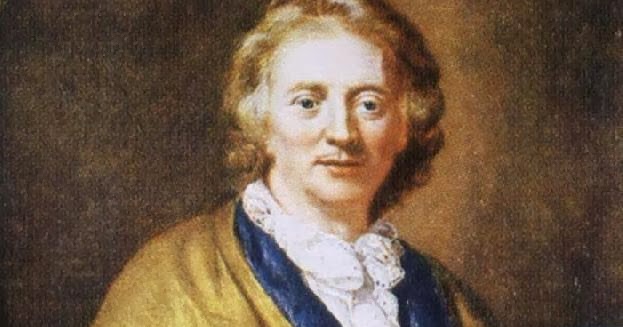
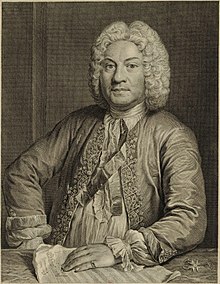
François Couperin stands among the most influential composers of the French Baroque era. Known as “Couperin le Grand” (Couperin the Great), he was a master harpsichordist, organist, and composer whose music helped define the elegance and refinement of French court culture during the reign of King Louis XIV and the early eighteenth century. His compositions blended French sophistication with Italian expressiveness, creating a unique musical language that influenced generations of composers. Through his keyboard works, chamber music, sacred compositions, and theoretical writings, Couperin secured a lasting place in the history of Western classical music.
Childhood
François Couperin was born on November 10, 1668, in Paris, France, into one of the most distinguished musical families of the seventeenth century. The Couperin family had established a strong musical tradition, with several members serving as respected organists and composers. Music was deeply embedded in the family’s identity, and young François grew up surrounded by professional musicians.
His father, Charles Couperin, was an organist at the Church of Saint-Gervais in Paris. François received his earliest musical education from his father and other family members. However, tragedy struck when Charles died in 1679, leaving François only eleven years old. Despite this loss, the family’s musical connections ensured that the boy continued receiving excellent instruction.
One of his most important mentors was Jacques Thomelin, the royal organist to King Louis XIV. Under Thomelin’s guidance, François developed exceptional skills as both an organist and a composer. Even as a child, he demonstrated remarkable musical talent, earning recognition among Parisian musicians.
Youth
During his teenage years, François Couperin continued to refine his abilities. In 1685, at only seventeen years old, he officially succeeded his father as organist of Saint-Gervais, a prestigious position that had become closely associated with the Couperin family. This appointment marked the beginning of a long and successful professional career.
The late seventeenth century was a vibrant period for French music. The court of Louis XIV served as a cultural center where music, dance, and theater flourished. Young Couperin absorbed the artistic trends of his time while developing his own distinctive voice.
His reputation grew steadily throughout Paris. Musicians admired his technical mastery, elegant style, and inventive compositions. By the end of his youth, he had become one of the most promising figures in French musical life.
Adulthood
The turning point in Couperin’s career came in 1693 when he was appointed one of the organists of the Royal Chapel at Versailles. This prestigious position placed him among the leading musicians serving King Louis XIV. His association with the royal court brought both honor and opportunities for artistic growth.
As a court musician, Couperin composed sacred music for religious ceremonies and cultivated relationships with influential members of French society. His works reflected the refined tastes of the aristocracy while demonstrating extraordinary creativity.
During the early eighteenth century, he increasingly focused on harpsichord music. The instrument became his primary means of artistic expression, and he produced a vast collection of keyboard pieces characterized by elegance, ornamentation, and poetic imagery. Many of these works carried descriptive titles, depicting people, moods, landscapes, or scenes from everyday life.
Couperin was also fascinated by the musical developments occurring in Italy. At a time when French and Italian musical styles were often viewed as rivals, he sought to unite them. He admired Italian composers such as Arcangelo Corelli and incorporated elements of Italian melody and structure into his own music. This synthesis became one of his most significant artistic achievements.
In addition to composing, Couperin was an influential teacher and theorist. In 1716, he published L’Art de toucher le clavecin (The Art of Playing the Harpsichord), a highly important treatise that provided detailed instructions on keyboard technique, ornamentation, and interpretation. The work remains a valuable resource for performers and scholars studying Baroque music.
Throughout his adult life, Couperin enjoyed widespread respect. His music was admired not only in France but also throughout Europe. He became known as one of the greatest keyboard composers of his era and a leading representative of French musical culture.
Major Compositions
François Couperin produced a remarkable body of work encompassing keyboard music, chamber music, sacred music, and theoretical writings.
His most famous achievements are the four books of Pièces de Clavecin (Harpsichord Pieces), published between 1713 and 1730. These collections contain more than 230 individual pieces organized into suites known as “ordres.” Unlike traditional dance suites, many of these works feature imaginative titles that suggest personalities, emotions, or scenes. Pieces such as Les Barricades Mystérieuses, Le Tic-Toc-Choc, and La Visionnaire remain among the most celebrated works in the harpsichord repertoire.
Another significant contribution was Les Goûts Réunis (The Reunited Tastes), a collection designed to combine French and Italian musical styles. Through these compositions, Couperin promoted artistic unity and demonstrated the compatibility of different national traditions.
His Concerts Royaux (Royal Concerts), composed for performances at the court of Louis XIV, showcase his mastery of chamber music. These elegant works blend sophistication with expressive beauty and remain staples of the Baroque repertoire.
Couperin also composed Nouveaux Concerts, often referred to as Les Goûts Réunis, further exploring the integration of French and Italian influences.
In sacred music, he produced several important motets and religious works. Among these, the Leçons de Ténèbres are especially admired for their emotional depth and spiritual intensity. These compositions, written for Holy Week services, represent some of the finest examples of French sacred vocal music.
His theoretical treatise, L’Art de toucher le clavecin, while not a musical composition in the traditional sense, profoundly influenced keyboard performance practices and continues to guide musicians today.
Death
In his later years, François Couperin experienced declining health. Despite physical difficulties, he continued composing and fulfilling his professional duties for as long as possible. His final years were spent largely in Paris, where he remained a respected figure in musical circles.
François Couperin died on September 11, 1733, in Paris at the age of sixty-four. His death marked the end of a remarkable career that had spanned decades and left an indelible mark on French music.
Following his death, his family continued the Couperin musical tradition for several generations. Although musical tastes gradually changed during the Classical era, interest in his works revived during the nineteenth and twentieth centuries, leading to renewed appreciation of his genius.
Conclusion
François Couperin was one of the greatest composers of the French Baroque period and one of the most important keyboard composers in Western music history. His ability to combine technical mastery with elegance, imagination, and emotional subtlety made his works unique and enduring. As a performer, composer, teacher, and theorist, he shaped the development of keyboard music and influenced countless musicians who followed him.
His harpsichord pieces continue to captivate audiences with their beauty and originality, while his chamber and sacred works demonstrate remarkable depth and sophistication. By successfully uniting French and Italian musical traditions, Couperin helped broaden the artistic horizons of his time. Today, his legacy remains secure, and his music continues to be performed, studied, and admired throughout the world as a shining example of Baroque artistry.
Comments are closed