Introduction
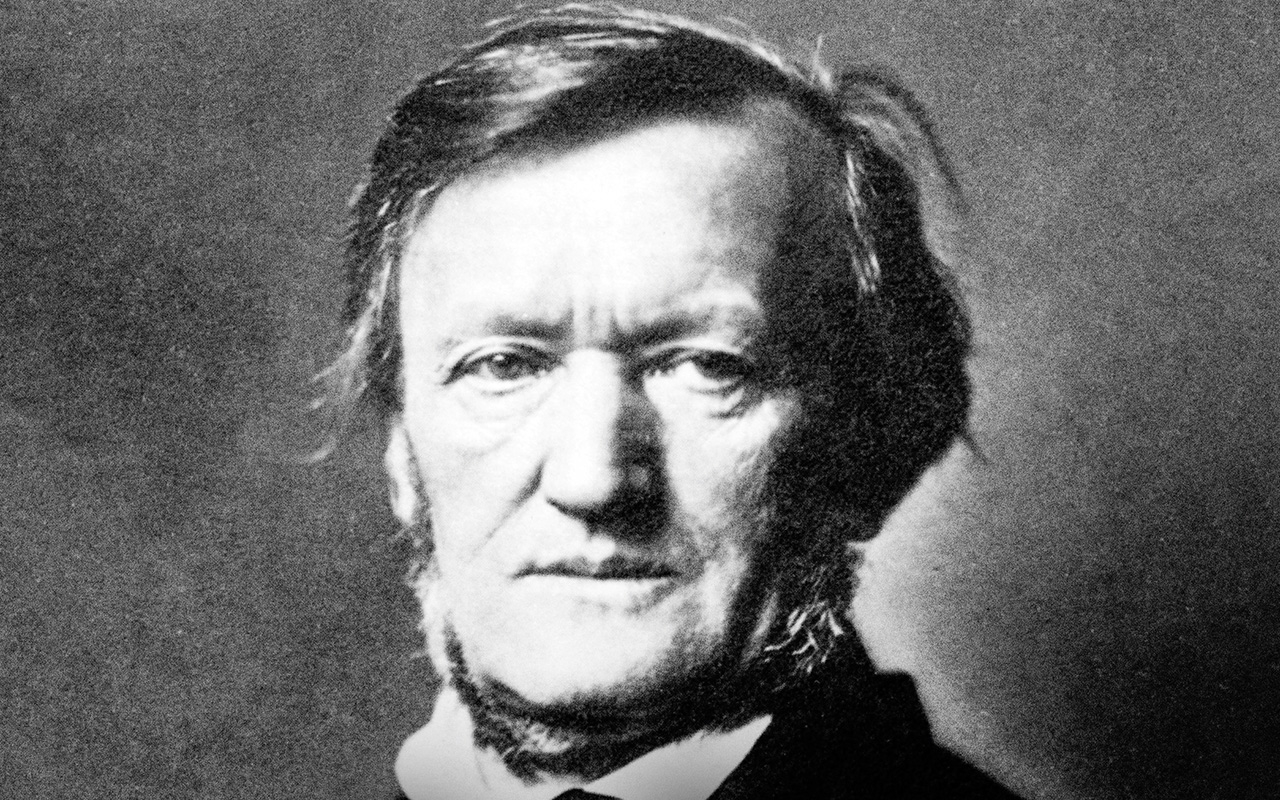
Richard Wagner was one of the most influential and controversial composers in the history of Western classical music. His revolutionary approach to opera transformed the art form and left a lasting impact on generations of composers, conductors, writers, and artists. Known for his monumental operas, complex harmonies, and innovative use of orchestration, Wagner sought to unite music, poetry, drama, and visual spectacle into a single artistic experience, which he called the “total work of art” or Gesamtkunstwerk.
Born in Germany during the early nineteenth century, Wagner lived through a period of immense political, social, and cultural change. His life was marked by artistic triumphs, financial struggles, political exile, passionate relationships, and enduring controversy. Despite criticism of his personal beliefs and behavior, his musical achievements remain among the most significant in the history of classical music.
Childhood
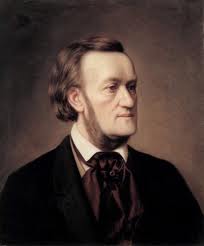
Wilhelm Richard Wagner was born on May 22, 1813, in Leipzig, Germany. He was the ninth child of Carl Friedrich Wagner, a police clerk, and Johanna Rosine Wagner. Only a few months after Richard’s birth, his father died, leaving the family in difficult circumstances.
Soon afterward, his mother formed a relationship with Ludwig Geyer, an actor, playwright, and painter. Geyer became an important figure in young Richard’s life and encouraged his interest in the theater and the arts. Wagner later speculated that Geyer might have been his biological father, although no definitive evidence supports this claim.
The family moved to Dresden, where Wagner spent much of his childhood. Surrounded by theatrical culture, he became fascinated by drama and literature before he developed a serious interest in music. As a boy, he admired the works of William Shakespeare and classical Greek tragedies. These literary influences would later play a crucial role in shaping his operatic vision.
Although he showed intelligence and creativity, Wagner was not initially regarded as a musical prodigy. His early education focused primarily on literature and languages. However, after hearing the music of Ludwig van Beethoven, especially the Ninth Symphony, he became determined to pursue a career in music.
Youth
During his teenage years, Wagner devoted himself to studying composition. Largely self-taught at first, he began composing piano works, orchestral pieces, and overtures inspired by Beethoven and other German composers. He enrolled at the University of Leipzig, where he continued his musical studies and broadened his intellectual horizons.
In the early 1830s, Wagner sought employment as a conductor and music director. His first professional experiences took place in small German theaters, where he learned the practical aspects of opera production. During this period, he composed several early operatic works, including Die Feen (The Fairies) and Das Liebesverbot (The Ban on Love). Although these works showed promise, they failed to establish his reputation.
Wagner’s youthful years were characterized by ambition, financial instability, and a relentless desire for recognition. He frequently accumulated debts and struggled to maintain steady employment. Nevertheless, he continued composing and refining his artistic ideas.
In 1836, he married actress Minna Planer. The marriage proved turbulent, marked by financial hardship, separations, and emotional strain. Despite these difficulties, Wagner remained committed to achieving success as a composer.
Adulthood
The turning point in Wagner’s career came with the premiere of Rienzi in Dresden in 1842. The opera achieved considerable success and earned him the position of Royal Saxon Court Conductor. Soon afterward, he composed The Flying Dutchman and Tannhäuser, works that demonstrated a more original and distinctive musical voice.
Wagner became increasingly interested in mythology, medieval legends, and German cultural traditions. These subjects inspired many of his greatest operas and helped shape his unique artistic identity.
His political views also became increasingly radical. During the revolutionary movements of 1848 and 1849, Wagner supported democratic reforms and participated in revolutionary activities in Dresden. When the uprising failed, he was forced to flee Germany to avoid arrest. He spent many years in exile, primarily in Switzerland.
Exile proved to be a period of extraordinary creativity. During these years, Wagner developed many of the theoretical ideas that would define his mature style. He wrote influential essays on music and drama while working on the ambitious cycle of operas known as Der Ring des Nibelungen (The Ring of the Nibelung).
Financial difficulties continued to plague him throughout much of his life. However, his fortunes changed dramatically when he gained the support of King Ludwig II of Bavaria in 1864. The young king was an ardent admirer of Wagner’s music and provided substantial financial assistance. This patronage allowed Wagner to focus on completing his major works.
During this period, Wagner formed a relationship with Cosima von Bülow, the daughter of composer and pianist Franz Liszt. Cosima eventually divorced her husband, conductor Hans von Bülow, and married Wagner in 1870. Their marriage remained stable and supportive for the rest of Wagner’s life.
One of Wagner’s greatest achievements was the construction of the Bayreuth Festival Theater in Bavaria. Designed specifically for the performance of his operas, the theater incorporated innovative architectural and acoustic features. In 1876, it hosted the first complete performance of The Ring of the Nibelung, establishing Bayreuth as a major center for Wagnerian performance.
Major Compositions
Richard Wagner’s output was dominated by opera, though he also composed orchestral works, songs, and essays. His most important compositions include:
The Flying Dutchman (1843)
This opera tells the story of a cursed sailor doomed to wander the seas until redeemed by true love. It marked an important step toward Wagner’s mature style and introduced themes that would recur throughout his career.
Tannhäuser (1845)
Combining medieval legend with themes of love, redemption, and spiritual struggle, Tannhäuser became one of Wagner’s most frequently performed operas.
Lohengrin (1850)
Based on a medieval knightly legend, Lohengrin features some of Wagner’s most beautiful music, including the famous Bridal Chorus, often known as “Here Comes the Bride.”
Tristan und Isolde (1865)
Widely regarded as one of the most revolutionary works in music history, Tristan und Isolde pushed harmonic language to unprecedented levels. Its chromaticism profoundly influenced later composers and contributed to the development of modern music.
The Ring of the Nibelung (1876)
This monumental cycle consists of four operas:
- Das Rheingold
- Die Walküre
- Siegfried
- Götterdämmerung
Drawing on Germanic and Norse mythology, the cycle explores themes of power, greed, love, sacrifice, and destiny. It remains one of the most ambitious achievements in the history of opera.
Die Meistersinger von Nürnberg (1868)
Unlike many of Wagner’s mythological works, this opera is a comedy rooted in German history. It celebrates artistic creativity and cultural tradition.
Parsifal (1882)
Wagner’s final opera centers on themes of compassion, spirituality, and redemption. It premiered at Bayreuth and is considered one of his most profound works.
In addition to these operas, Wagner wrote influential theoretical works, including Opera and Drama, in which he outlined his vision of music theater and the concept of the Gesamtkunstwerk.
Death
After completing Parsifal, Wagner’s health began to decline. He suffered from recurring heart problems and experienced increasing physical exhaustion. Nevertheless, he remained active in supervising performances and promoting his artistic legacy.
In early 1883, Wagner traveled with his family to Venice, Italy, seeking rest and a more favorable climate. On February 13, 1883, he died of a heart attack at the age of sixty-nine.
His death marked the end of one of the most remarkable and controversial careers in musical history. His body was transported back to Bayreuth, where he was buried on the grounds of his home, Villa Wahnfried.
Following his death, Cosima Wagner devoted herself to preserving and promoting his legacy. Under her leadership, the Bayreuth Festival continued to flourish and became an important institution in the world of classical music.
Conclusion
Richard Wagner transformed opera more profoundly than perhaps any composer before or since. Through his innovative use of harmony, orchestration, dramatic structure, and recurring musical themes known as leitmotifs, he created a new model for music drama that influenced generations of composers, including Gustav Mahler, Richard Strauss, Claude Debussy, and Arnold Schoenberg.
His life was filled with artistic brilliance, personal complexity, political controversy, and relentless ambition. While debates about his ideas and character continue, his contributions to music remain undeniable. Works such as Tristan und Isolde, The Ring of the Nibelung, and Parsifal stand among the greatest achievements of Western art.
More than a century after his death, Wagner’s music continues to be performed, studied, and debated around the world. His influence extends far beyond opera, shaping the development of modern music, theater, literature, and cultural thought. As a result, Richard Wagner remains one of the most significant and enduring figures in the history of classical music.
Comments are closed