Introduction
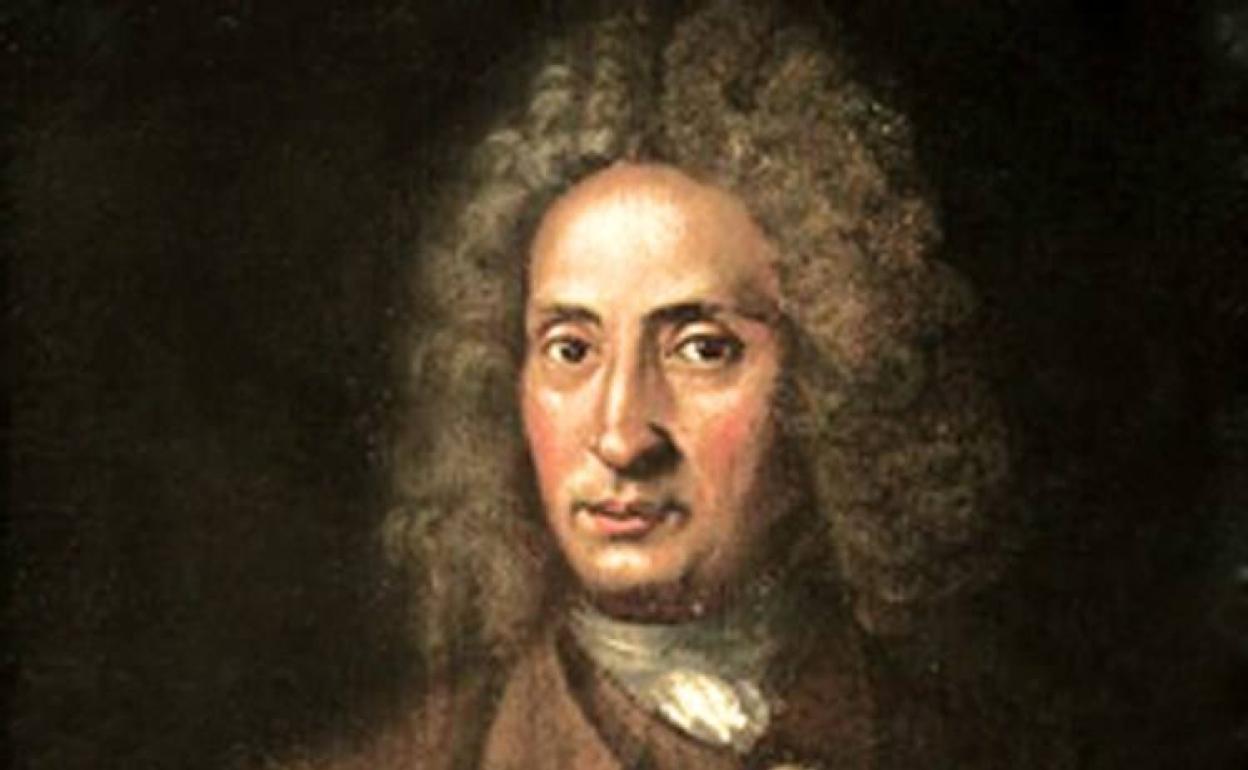
Tomaso Albinoni was one of the most important Italian composers of the Baroque era. Although he is often remembered today for the famous Adagio in G Minor attributed to his name, Albinoni’s true historical significance lies in his remarkable contributions to instrumental music, opera, and the development of the concerto. A contemporary of composers such as Antonio Vivaldi, Albinoni helped shape the musical landscape of eighteenth-century Italy through elegant melodies, expressive harmonies, and innovative orchestral writing.
Unlike many composers of his time, Albinoni enjoyed financial independence and did not rely heavily on aristocratic patronage. This freedom allowed him to compose according to his artistic vision, producing a large body of work that influenced generations of musicians. His music was admired throughout Europe, and even great composers such as Johann Sebastian Bach studied and appreciated his compositions.
Today, Albinoni is recognized as a significant figure in Baroque music whose works continue to be performed and recorded around the world.
Childhood
Tomaso Giovanni Albinoni was born on June 8, 1671, in the Republic of Venice, one of the most prosperous and culturally vibrant cities in Europe. Venice was renowned for its artistic achievements, thriving trade networks, and rich musical traditions. The city provided an ideal environment for a young musician to develop his talents.
Albinoni was the son of Antonio Albinoni, a successful paper merchant. His family’s comfortable financial position distinguished him from many other composers of the period who often struggled economically. Because of this stability, Tomaso was able to pursue music primarily out of passion rather than necessity.
From an early age, he demonstrated exceptional musical abilities. He studied singing and violin, becoming proficient in both disciplines while still a child. Venice’s numerous churches, theaters, and musical institutions exposed him to a wide variety of styles and performances, helping to shape his artistic development.
The city’s thriving opera scene particularly influenced the young Albinoni. Venice had become one of Europe’s leading centers for opera, and the dramatic power of the genre would later play a major role in his career.
Youth
During his teenage years and early adulthood, Albinoni devoted himself increasingly to composition. By the age of twenty-three, he had already begun publishing collections of music that attracted attention from audiences and musicians alike.
His first major publication appeared in 1694, a collection of sonatas that revealed his talent for creating elegant melodies and balanced musical structures. Unlike many young composers, Albinoni quickly developed a distinctive style characterized by clarity, lyricism, and emotional restraint.
The success of his early instrumental works encouraged him to explore opera composition. In the late seventeenth century, opera represented one of the most prestigious forms of musical expression, particularly in Venice. Albinoni soon established himself as a capable composer of dramatic works, earning recognition beyond his native city.
During this period, he also married Margherita Raimondi, an accomplished singer. Their marriage likely strengthened his connection to the world of opera and vocal performance. As his reputation grew, Albinoni’s music began reaching audiences across Italy and eventually throughout Europe.
Adulthood
The first decades of the eighteenth century marked the height of Albinoni’s career. He became one of Italy’s most respected composers, producing operas, concertos, sonatas, and vocal works in remarkable quantity.
One of the most notable aspects of his career was his independence. Because of his family’s wealth and business success, he was not forced to seek permanent employment at a church or royal court. This autonomy allowed him to publish his music widely and maintain control over his artistic direction.
Albinoni’s operas enjoyed considerable popularity during his lifetime. Although many of these works have been lost, historical records indicate that they were performed in Venice and other important Italian cities. His dramatic compositions earned him recognition among aristocratic audiences and music lovers throughout Europe.
Equally important were his instrumental works. Albinoni became a leading contributor to the development of the concerto, particularly for the oboe. His concertos demonstrated a sophisticated understanding of instrumental color and expressive possibilities. The oboe concertos were especially influential and helped establish the instrument as a prominent solo voice within Baroque music.
His published collections circulated widely and were studied by composers in Germany and elsewhere. The admiration of Johann Sebastian Bach for Albinoni’s harmonic language illustrates the high regard in which his music was held during the eighteenth century.
Throughout his mature years, Albinoni remained active as a composer and enjoyed a reputation as one of Venice’s leading musical figures. His works reflected both technical mastery and a refined sense of melody that distinguished him from many of his contemporaries.
Major Compositions
Although a significant portion of Albinoni’s music has been lost over time, many important works survive and continue to be performed.
Oboe Concertos
Albinoni’s oboe concertos rank among his greatest achievements. These compositions helped elevate the status of the oboe as a solo instrument and demonstrated his gift for lyrical writing. They remain central works in the Baroque oboe repertoire.
Twelve Concerti a Cinque, Opus 7
Published in 1715, this collection includes several celebrated concertos featuring solo instruments. The set showcases Albinoni’s mature compositional style and his skill in balancing solo and ensemble passages.
Concerti a Cinque, Opus 9
Published in 1722, Opus 9 is widely regarded as his masterpiece. The collection contains concertos for violin and oboe and became one of the most admired instrumental publications of the Baroque era.
Sonatas
Albinoni composed numerous sonatas for violin and other instruments. These works reveal his melodic elegance and his ability to create expressive music within formal structures.
Operas
Albinoni wrote more than fifty operas during his lifetime. Unfortunately, many have disappeared, and only fragments of some survive. Nevertheless, historical evidence indicates that these works played a major role in establishing his reputation.
Adagio in G Minor
The famous Adagio in G Minor is commonly associated with Albinoni. However, modern scholarship suggests that the piece was largely reconstructed or composed by the twentieth-century musicologist Remo Giazotto, who claimed to have based it on fragments of Albinoni’s music discovered after World War II. Regardless of its origins, the work has become one of the most beloved pieces connected with Albinoni’s name.
Death
In his later years, Albinoni remained in Venice while his fame gradually declined as musical tastes changed. The rise of new styles and younger composers reduced the prominence of many Baroque masters.
Tomaso Albinoni died on January 17, 1751, in Venice at the age of seventy-nine. He had lived through a period of remarkable artistic transformation and had contributed significantly to the evolution of Italian music.
Although his death attracted less attention than might be expected for a composer of his stature, his influence continued through the publication and performance of his works. Musicians and scholars preserved many of his compositions, ensuring that future generations could appreciate his achievements.
Conclusion
Tomaso Albinoni occupies an important place in the history of Baroque music. Born into a prosperous Venetian family, he enjoyed a level of artistic independence rare among composers of his era. This freedom enabled him to develop a distinctive musical voice characterized by graceful melodies, expressive harmonies, and refined craftsmanship.
His contributions to opera and instrumental music, particularly the concerto, helped shape the musical culture of eighteenth-century Europe. His oboe concertos remain among the finest examples of the genre, while his influence extended to composers such as Johann Sebastian Bach.
Though many of his operas have been lost and his reputation diminished after his death, modern scholarship and performance have restored recognition of his achievements. Today, Tomaso Albinoni stands as one of the most significant composers of the Italian Baroque, remembered for his elegance, innovation, and lasting contribution to Western classical music.
Comments are closed